


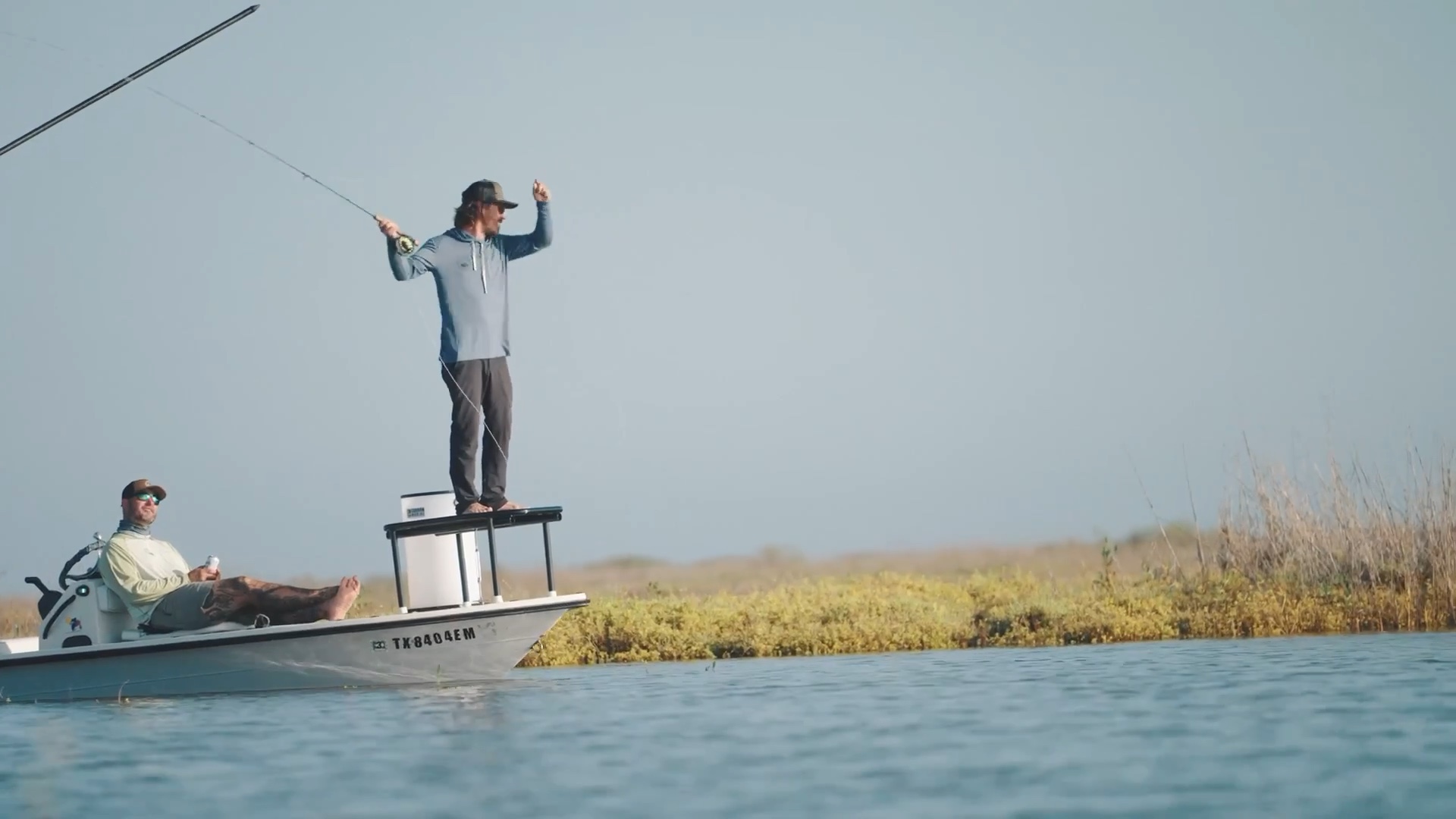
A Texas lodge took single-use bottles off every guide boat, and we made the film that told guests why. We’d rather film a change than a pledge.
- Clients
- Patagonia Films, Force of Nature, Volcom, Bay Flats Lodge
- Award for TOM
- Best Conservation Film at The Drake Magazine’s 2023 Fly Fishing Video Awards
- Shot in
- British Columbia, Montana, Wyoming, Texas, California
- Founded
- 2019 in Salt Lake City by Sean Black and Asher Koles
In good company


Start with what the company changed
A lot of environmental work starts with what a brand believes, and then hunts for pictures to go with it. We’d rather start with what the company changed. If a lodge took the plastic off its boats, there’s a boat to film. Then we say no more about it than the company can show.
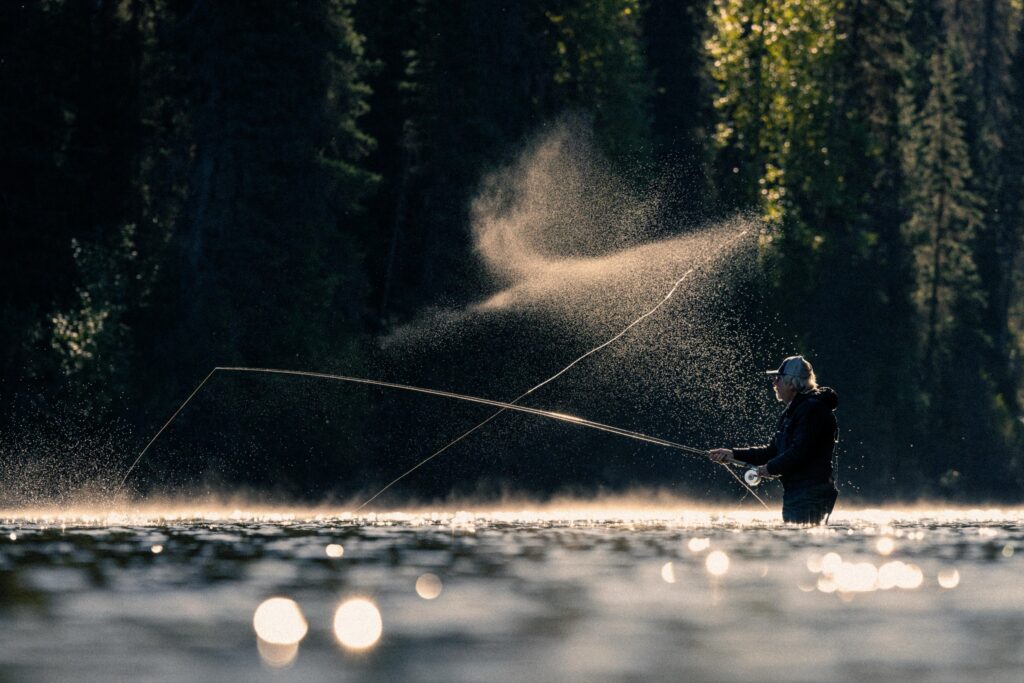
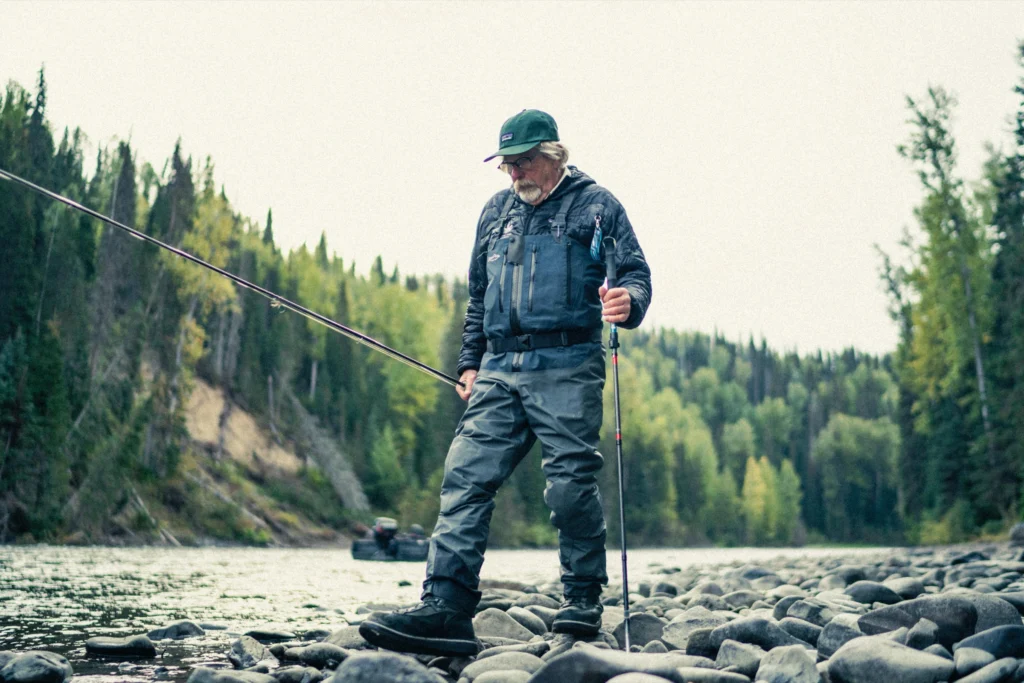
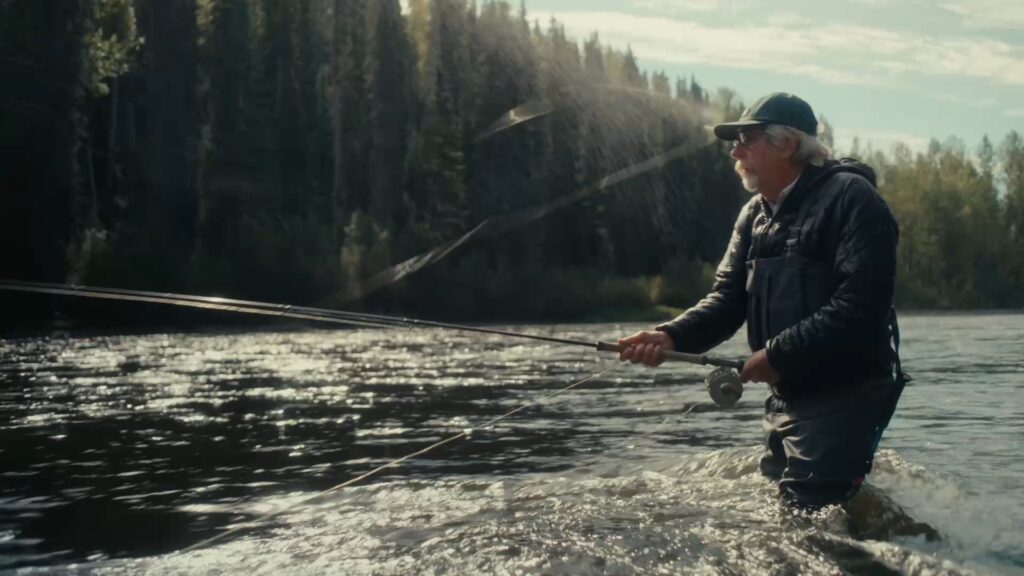
Asher Koles, who leads our creative, guided fly fishing for ten years and worked in conservation before we started Black Koles. So the person pointing a camera at your river has spent a decade on rivers like it. He co-directed TOM for Patagonia Films and the Native Fish Society, and between takes he was out on the boat, fishing the Babine. Patagonia has come back to us twice since.
The lodge put the change in guests’ hands
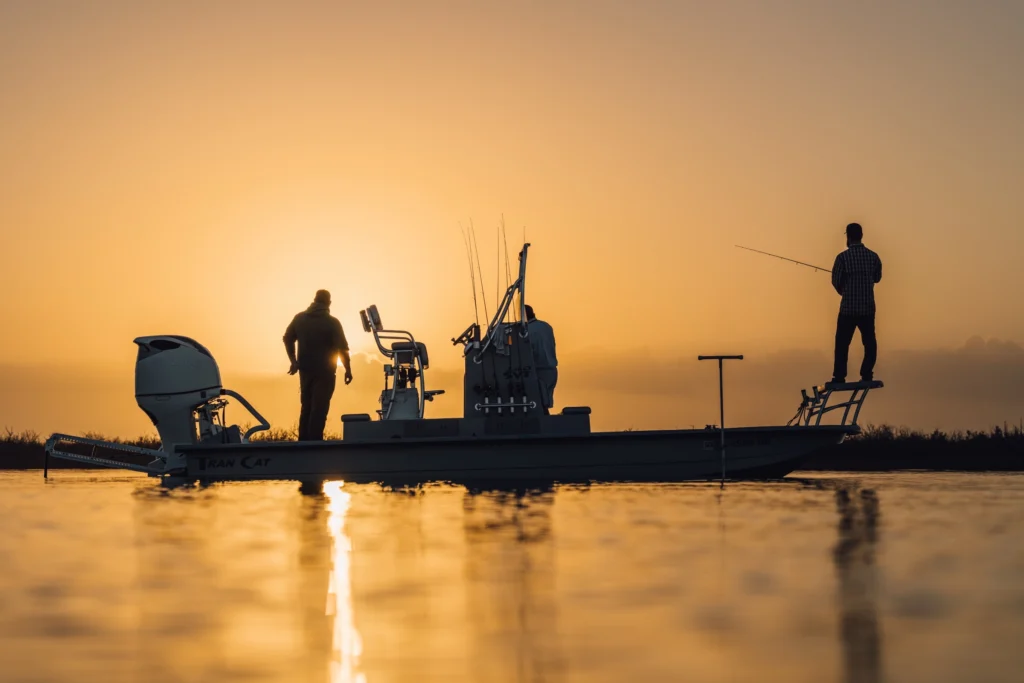
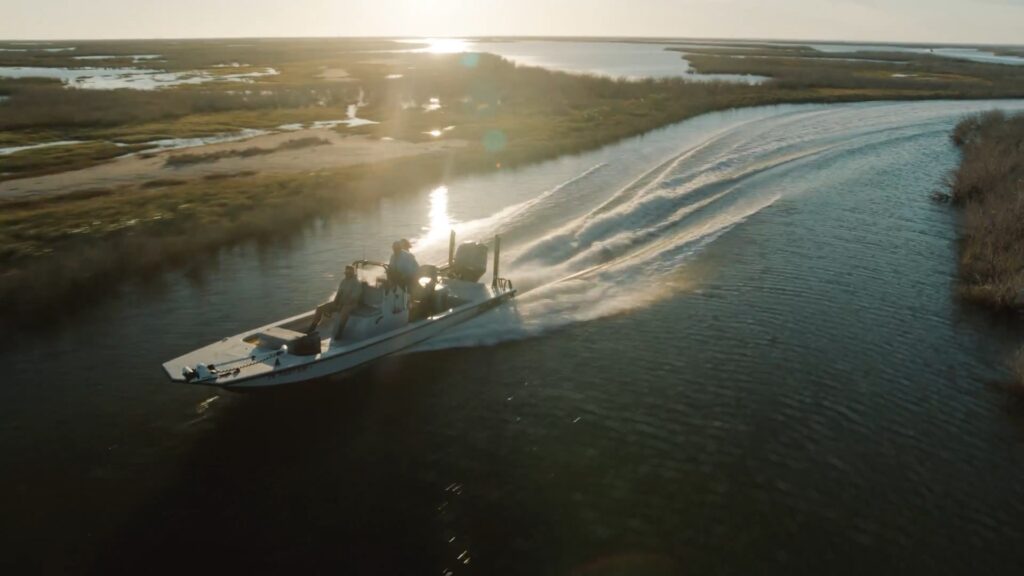
From 2020 to 2023 we were the marketing team at Bay Flats Lodge, a fishing and duck hunting lodge on San Antonio Bay in Seadrift, Texas. The lodge wanted single-use plastic gone, from the bar to the boats.
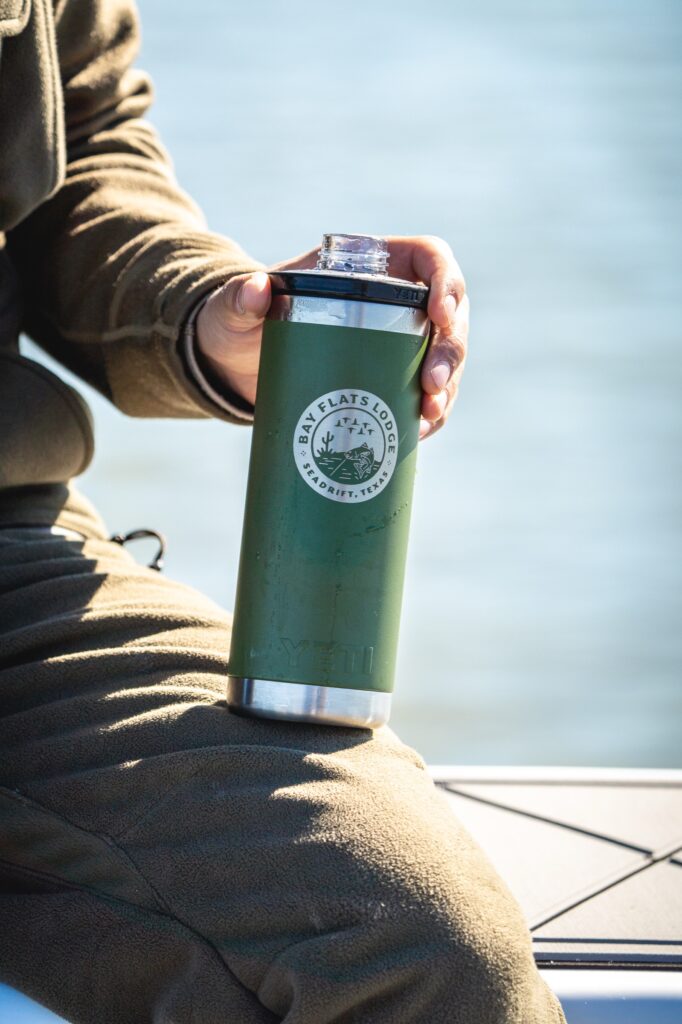
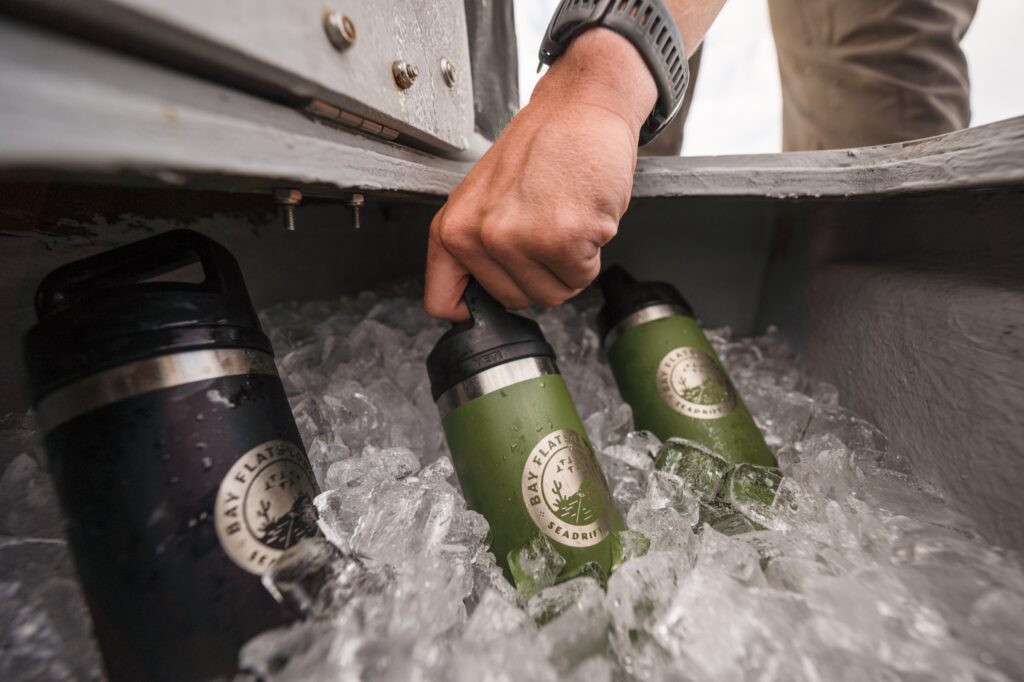
That’s a hard thing to bring up with guests. Nobody books a duck hunt to hear about plastic. The change went in phases, and each one was something a guest could pick up. Every guest got a YETI cup with the lodge’s mark at check-in, and the plastic and foam cups went away. Each guide boat got a pack with gallon jugs and refillable bottles in place of bottled water, and the lodge put in refill stations and dishwashers to keep up. Then lunch bags replaced the plastic bags the boat lunches went out in.
We handled the YETI side and made the film, the ads and the web page that told guests why. The boats switched over in November 2021, and by the next summer single-use bottles were gone from the lodge and from every guide boat. We didn’t have to dress any of it up. There was a cup in every guest’s hand and a jug on every boat.
Use the maker’s exact words and stop there
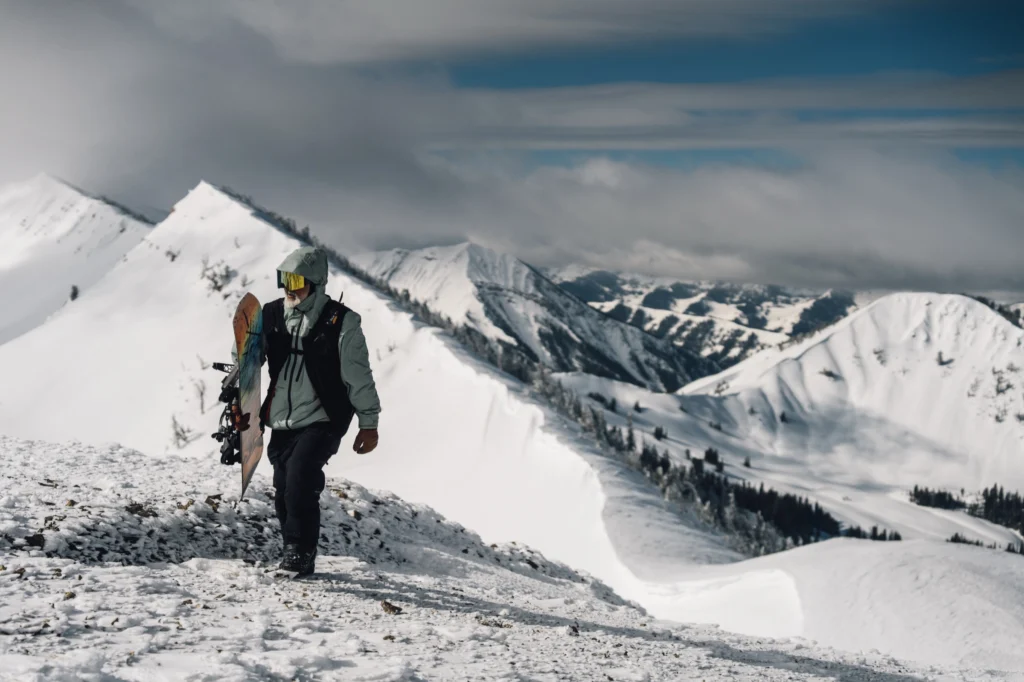
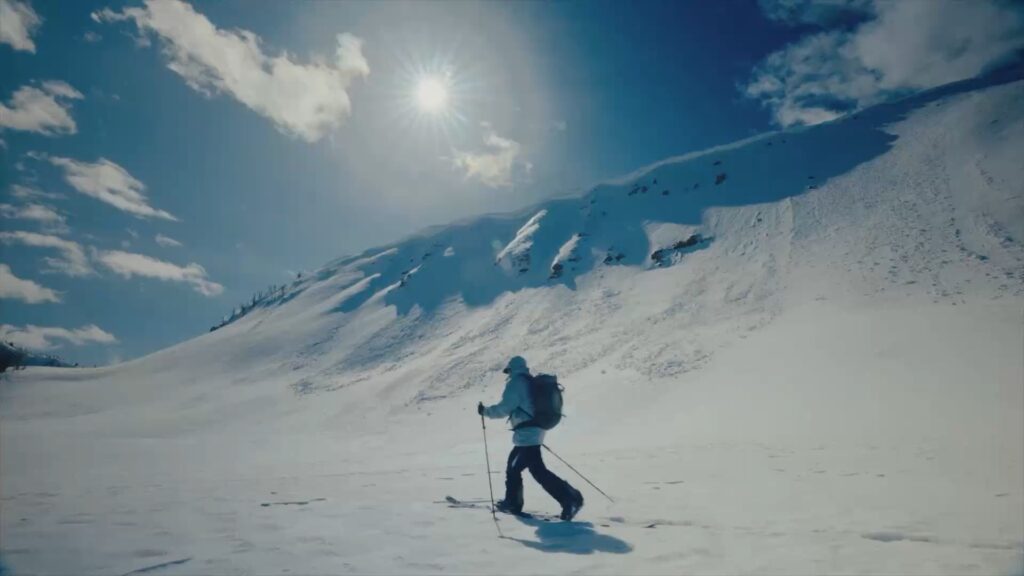
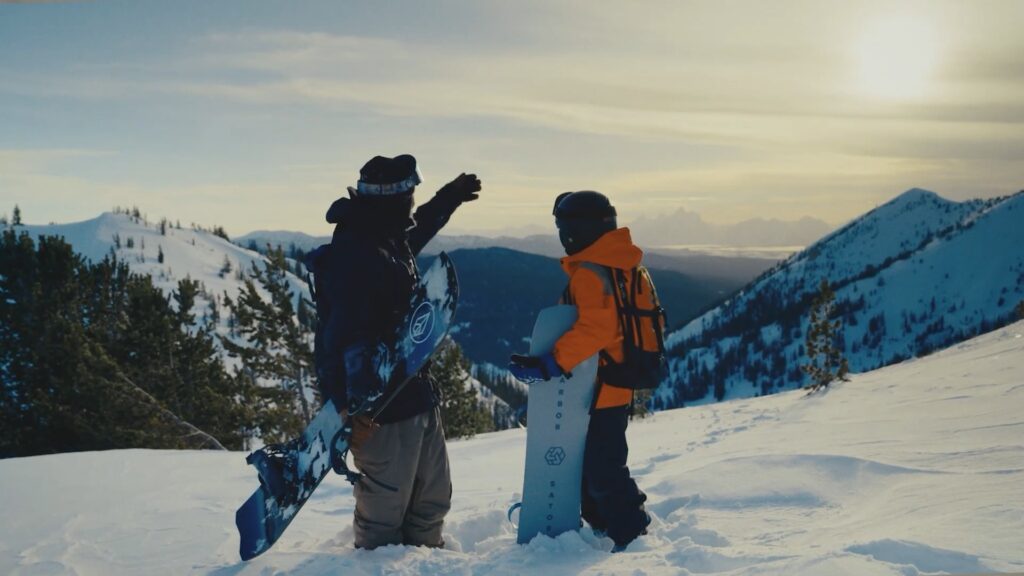
Sustainability claims get into trouble in the adjectives. Volcom put GORE-TEX’s new ePE membrane into Bryan Iguchi’s signature outerwear for the 2025 season, and both brands wanted the story told through a rider who wears it. We filmed and photographed Bryan over three days around Jackson, Wyoming, and Volcom’s editor cut the film from our footage and its archive. In it Bryan says the gear is at the point where what’s left is tweaking a zipper or a pocket. That’s a rider talking, and the membrane claim stays in GORE-TEX’s words, made without intentionally added PFAS.
Try this before your next launch. Write the claim down, then list the shots that would prove it. If the list is empty, the claim isn’t ready for a film. And if the claim is about a material, use the maker’s words. PFAS-free is shorter than made without intentionally added PFAS. It’s also a different claim.
It’s easiest when the land is the business
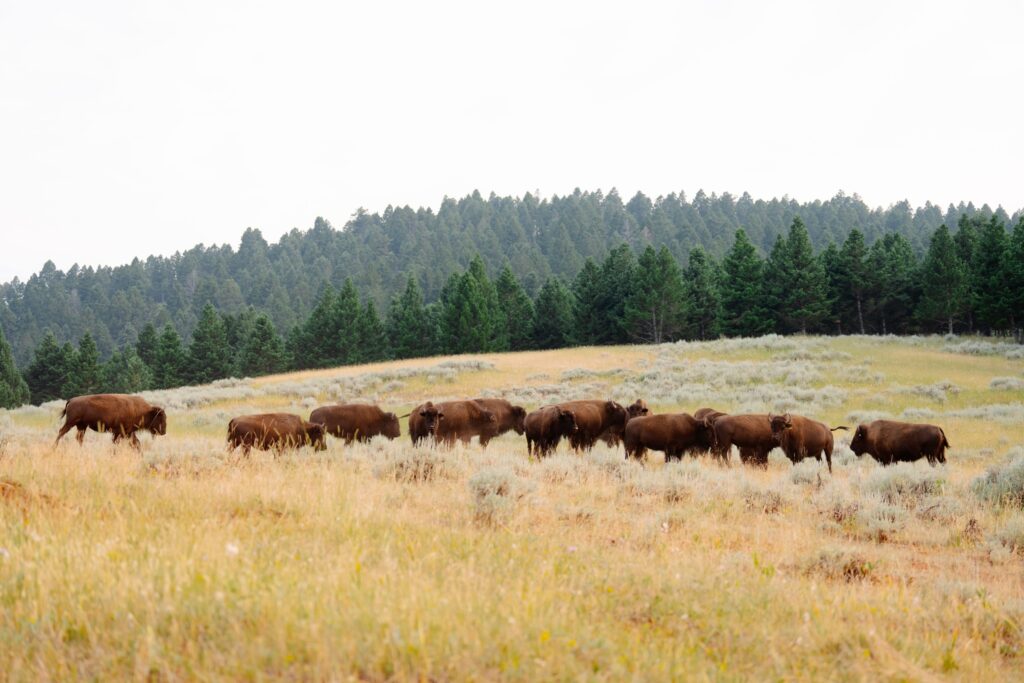
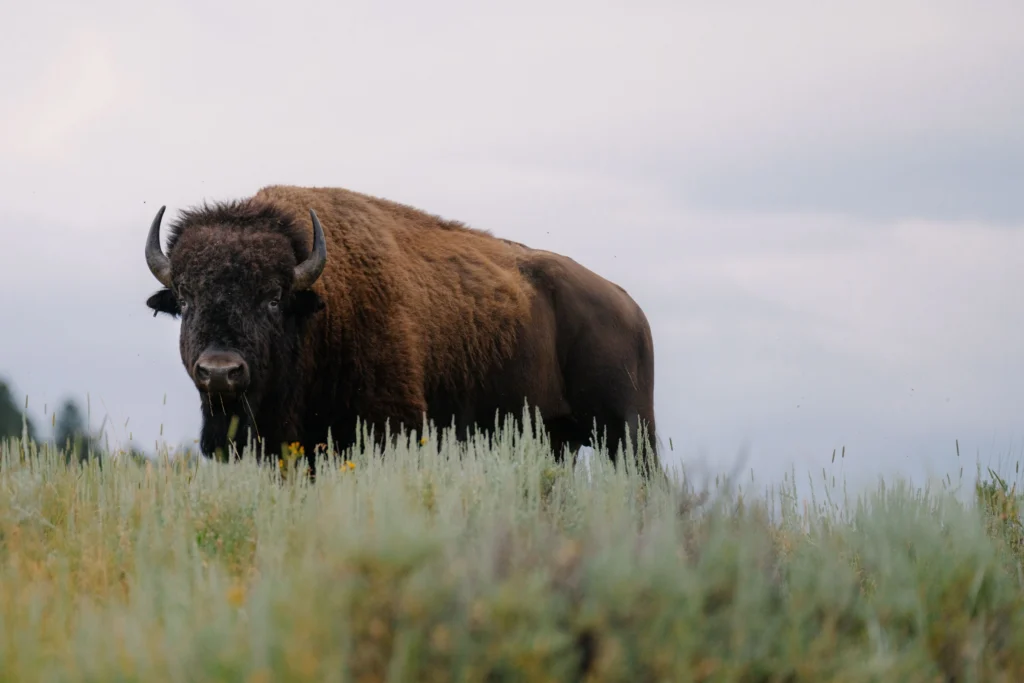
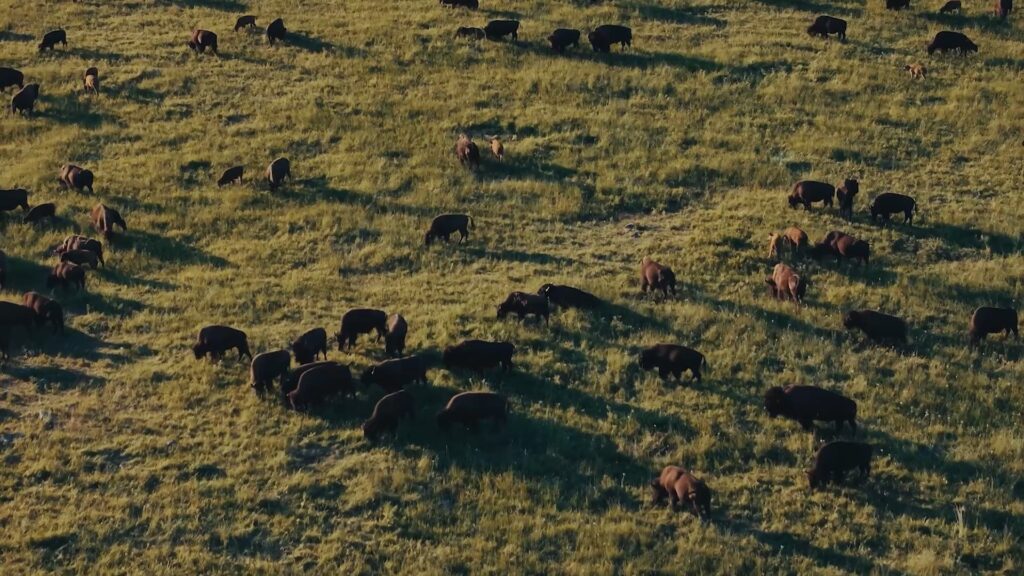
Force of Nature is a regenerative meat company, so conservation is part of how it earns a living, and there’s always a ranch to film. In 2024 it wanted to show the people and places behind its meat, and we made Mission in Motion one ranch at a time, from the briefs and treatments through the release. The first film was at Stemple Creek Ranch in Marin County. Afterward the ranch hired us directly. Restoring the Wild is set at Flying D Ranch, a bison ranch in the Greater Yellowstone Ecosystem. One of its social cuts is called Save Bison, Eat Bison, which is the whole argument in four words.
Bring us what you’ve already done
Send us what changed and who did the work, plus the paper behind the claim, a spec sheet or the maker’s own wording, so the script says only what you can prove. The budget comes down to shoot days, crew size, locations, what you need delivered and where it will run. Restoring the Wild took two trips to Montana a year apart, one with Force of Nature’s team before we wrote the treatment and one to film.
This is for brands that have done something on the ground, at a lodge, on a ranch, on a river or in a material, and for the conservation groups those brands back. If the story needs a longer conservation film, we make those too: TOM runs about 15 minutes.
If you’ve changed something and want people to notice, see how Bay Flats Lodge did it, every step from the first cup at check-in to the last bottle off the boats. Then meet the people you’d be working with, and tell us what you changed.
What we make for brands with a cause
-
01
Campaign plans
At Bay Flats Lodge the plastic plan went in phases, the cups first, then the boats, then the lunches, with a film, ads and a web page to explain it.See the case study: Bay Flats Lodge / Rebrand & Marketing
-
02
Documentaries
We co-directed TOM for Patagonia Films and the Native Fish Society, and it won Best Conservation Film at The Drake Magazine’s 2023 Fly Fishing Video Awards.See the case study: Patagonia / TOM
-
03
Awareness campaigns
I Am A Force, Force of Nature’s flagship campaign for the first half of 2026, ran on streaming TV and YouTube with billboards in Los Angeles and was a Shorty Impact Awards winner.See the case study: Force of Nature / I Am A Force
-
04
Photography
Volcom made the poster for its Bryan Iguchi Collection from one of our photos from the three days around Jackson.See the case study: Volcom / Bryan Iguchi Collection
-
05
Animated research films
Force of Nature wrote the brief for Living Proof, and we brought in a design and animation studio and ran the production of five films on its research into meat, animals and soil.See the case study: Force of Nature / Living Proof
-
06
Social cuts
Restoring the Wild went out with a trailer and a set of social cuts, and Force of Nature sent four of them to the team at Flying D Ranch to share.See the case study: Force of Nature / Mission in Motion
Selected work
-
 Bay Flats Lodge
Rebrand & Marketing
Bay Flats Lodge is a fishing and duck hunting lodge on San Antonio Bay in Seadrift, Texas.
-
 Patagonia
TOM
TOM, our documentary for Patagonia Films and the Native Fish Society, follows lifelong angler and wild fish advocate Tom Derry along British Columbia’s Babine…
-
 Force of Nature
Mission in Motion
Force of Nature’s documentary series on the ranchers and partners who have dedicated their lives to regenerative agriculture.
-
 Volcom
Bryan Iguchi Collection
A short film and photography for the launch of Volcom’s Bryan Iguchi Collection with GORE-TEX.
-
 Force of Nature
Living Proof
Five animated films for Force of Nature, each built to show the connection between meat, animals, soil and you.
-
 Force of Nature
I Am A Force
Force of Nature’s flagship campaign for the first half of 2026.
“They feel like an extension of our internal team. Our social media is more engaging and performant, and our content is more inspiring and heartfelt.”
Mike Hondorp, VP of Marketing, Force of Nature
Questions
Do you work with nonprofits?
Yes, and so far it’s been alongside a brand that backs them. The Native Fish Society was Patagonia Films’ partner on TOM, our documentary about Tom Derry and wild steelhead. It screened in Patagonia stores and played on Delta flights. If your group has a brand partner, bring them into the first conversation.
How do you keep a sustainability claim from going too far?
Your sustainability team decides what you can claim, and the film shouldn’t go past it. On Volcom’s Bryan Iguchi Collection we filmed a rider who wears the gear, as the brief asked, and the membrane is in GORE-TEX’s own wording, made without intentionally added PFAS.
How do you keep a conservation film from sounding like a lecture?
We let one person make the case through his own life. In TOM, Tom Derry talks about the first steelhead he saw, on the Molalla, and the Trout magazine story that sent him north to the Skeena. By the time he says every angler should get involved, you know why he thinks so.
Can you plan where the film runs too?
Yes. We planned each Mission in Motion release. Every film went to YouTube with a post in Force of Nature’s journal, an email to its customers and a set of social cuts. For Restoring the Wild the post went up on October 29, the trailer on October 31, and the film and the email on November 1.
A partner brand is part of the change. Can you work with them too?
Yes. The cups at Bay Flats Lodge were YETI’s, with the lodge’s mark on them, and we worked with YETI on that part of the plan while we made the lodge’s film. A guest checking in got a cup with both names on it.
Keep exploring.
- Case study Rebrand & Marketing Bay Flats Lodge · Rebrand and three-year marketing retainer · Instagram 5K to 17K
- Case study TOM Patagonia Films documentary · 175K views
- Case study Mission in Motion Force of Nature · Episodic ranch partner series · 328K+ YouTube views
- About Who we are A creative agency and production company in Salt Lake City, led by Sean Black and Asher Koles.
- Work All our Creative Direction work The Work page, opened on Creative Direction, strongest case studies first.
- Contact Start a project Tell us what you’re making. Sean is on the first call.