

Black Koles · Journal · No. 28 · 5 min read
Retainer or project: how should you hire a creative partner?
Hire a creative partner by the project when the work has a clear start, a clear end and a list of deliverables. Use a retainer when the work never stops and you want one team that knows your brand running it every month. At Black Koles we do both. On retainer we work as a brand’s creative department, and we’ve done that for Force of Nature, Bay Flats Lodge, Mountain West Hard Cider and Zylo Collections.
What is an agency retainer?
An agency retainer is a recurring fee, usually monthly, that holds a creative partner’s team for you over an agreed term. The team knows your brand, plans ahead with you, and doesn’t need a new estimate for every request.
Retainers come in two main forms.
Time-based. You buy a set amount of the team’s time each month and direct how it’s used.
Output-based. You buy a defined list each month, such as posts, edits, a shoot day or reports, whatever time they take.
Ask which kind you’re being offered, because each is measured differently.
What is a project fee?
A project fee is one price for one defined piece of work. It’s built from the days and people the job needs, tied to a list of deliverables and a schedule, and it ends when the work is delivered.
Because the scope is fixed, the price holds unless the scope changes. In production, the project fee usually arrives as an itemized estimate.
Campaigns often come as projects even from a brand you already work with. Force of Nature’s I Am A Force, its flagship campaign for the first half of 2026, began with our proposal and was shot over three days between Ventura and Malibu.

Agency retainer vs project: which fits your work?
A project fits work with edges. A retainer fits work that doesn’t stop. Most of the trouble with either comes from using it for the other kind of work.
| Question | Retainer | Project |
|---|---|---|
| Suits | Ongoing work: social, content, email, reporting | A campaign, a film, a launch |
| You’re buying | A team that knows the brand, held for you | A defined result |
| Price follows | Time or output per month | Days, people and deliverables |
| Main risk | Paying for time you don’t use | Re-briefing and re-quoting each job |
| Ends | At term, or on notice | On delivery |
A retainer is the wrong shape for a brand with two big moments a year and little in between. You’d pay through the quiet months. A project is the wrong shape for a stream of small requests, where every one needs its own scope and approval and the estimates take longer than the work.
Mixing them is common: a retainer for the steady work, with each campaign or big shoot scoped as its own project on top. If you’re new to a partner, start with a project. You’ll both learn how the other works before you commit to a term.
“They feel like an extension of our internal team. Our social media is more engaging and performant, and our content is more inspiring and heartfelt.”
What do you get on a retainer?
You get a marketing and content team without hiring one. Ours starts every retainer the same way: an audit of what you have and how it’s working, then a strategy and a calendar for the year. After that it runs on a rhythm.
- Every year: goals, a look back at the last year, and the plan for the next.
- Every quarter: campaign planning, a report, and a check on the scope.
- Every month: the content plan for the weeks ahead, a shoot when the plan calls for one, and a report.
- Every week: posting, publishing and a standing meeting.
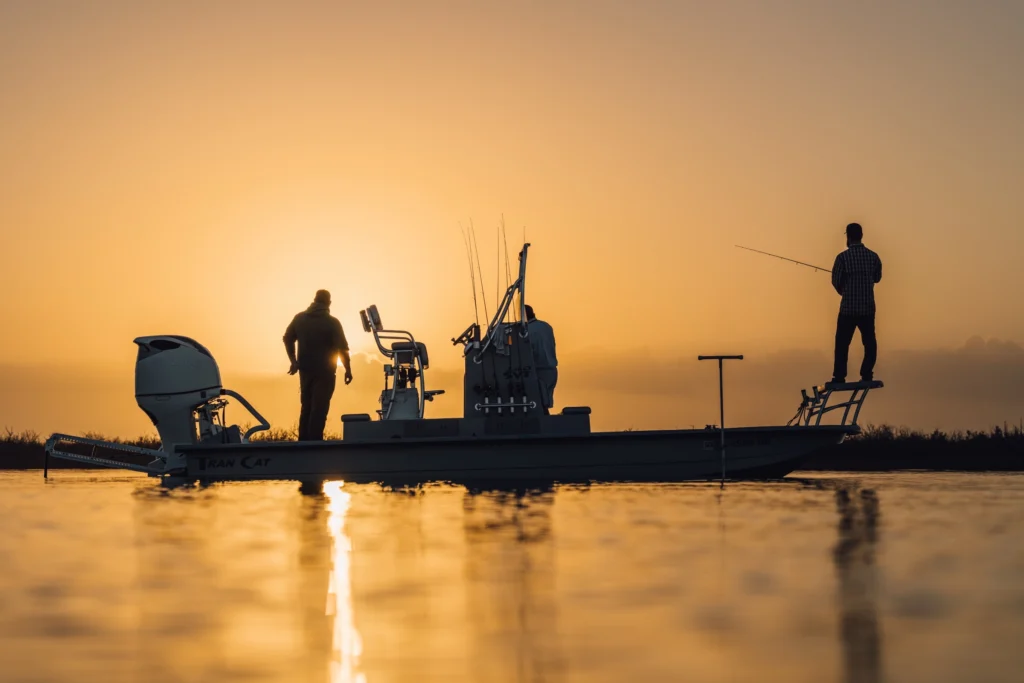
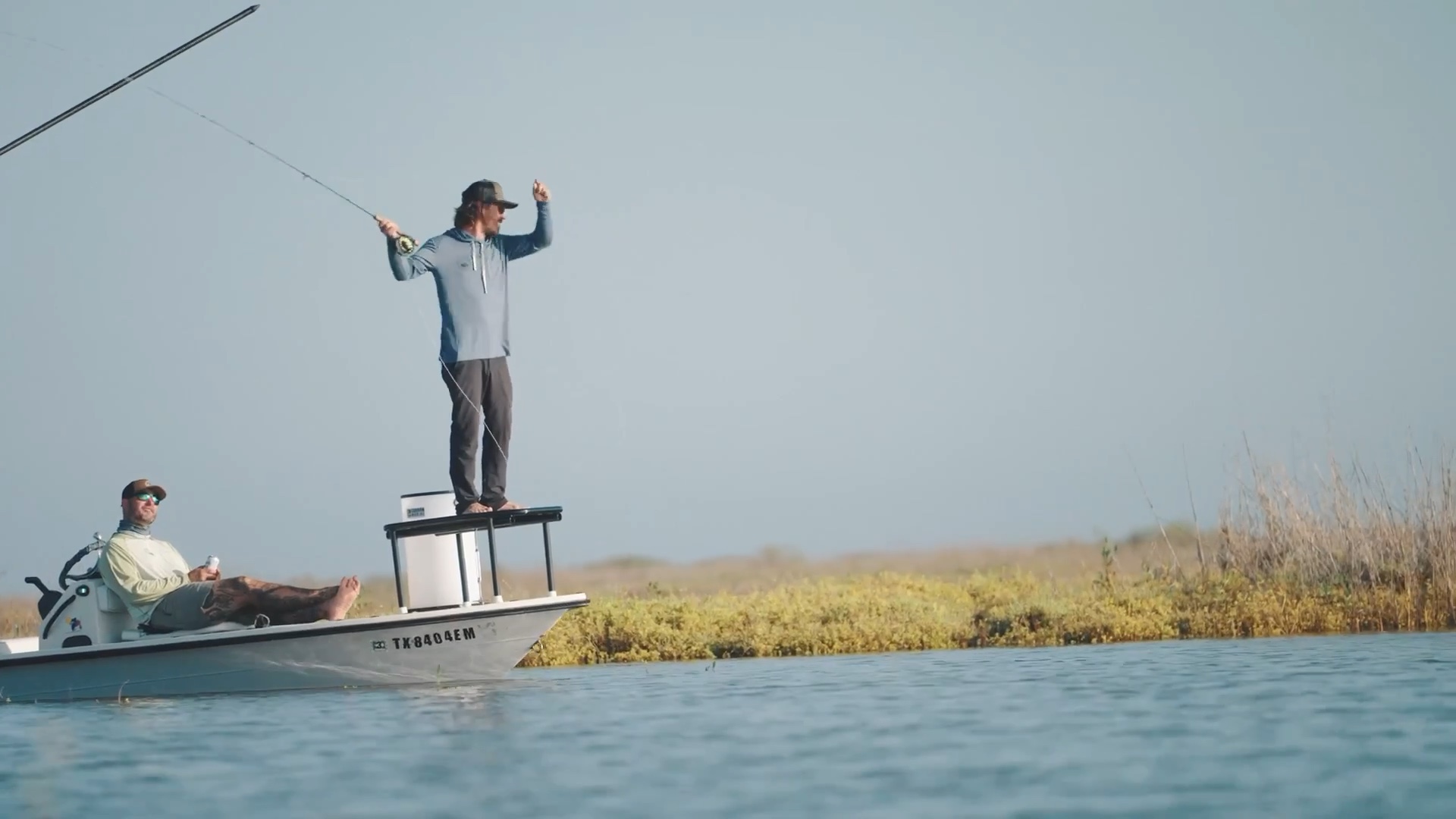
What goes inside depends on the brand. For Bay Flats Lodge, a fishing and duck hunting lodge on the Texas coast, we were the marketing team from 2020 to 2023. We did the brand, the website, the films and photography, social, email, paid ads and the partnerships that brought other brands to the lodge. The case study shows all of it.
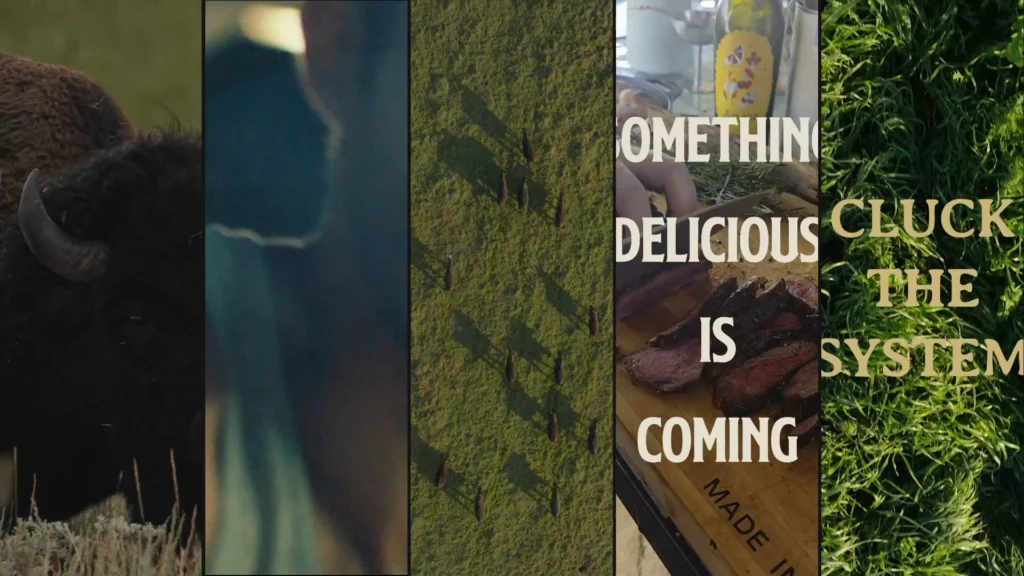
For Force of Nature, a regenerative meat company, the retainer covered content strategy and organic social, from the first audit in 2023 to the handover in 2026, with the campaigns and films produced alongside it. We still shoot for it. For Mountain West Hard Cider, a Salt Lake City cidery, it was an audit and strategy, then social, email, ads and a shoot every month. For Zylo Collections, a drinkware brand, we took on organic social, built around a content day each month.
Why would a brand choose a retainer?
Because the work gets better, and easier to make, the longer one team does it.
On a project, part of every job is learning the brand again. On a retainer that’s done once. We know the product, the people who approve things, and what the audience responded to last quarter. A shoot gets planned against the whole year’s calendar, so one production feeds several campaigns. And the reporting comes from the people who made the work, which means the next plan changes because of it.
That’s how Mission in Motion worked for Force of Nature: three films on the ranches behind its meat, released from 2024 to 2025, each with a journal post, an email to customers and cuts for social, planned by the team that ran its channels.
It’s also a way to get that team without building it in-house. You get a strategist, a creative director, a producer, a photographer, a cinematographer and an editor when you need each one.
It’s the wrong choice if you only need a film. Then you want a project, and we’ll scope it that way.

What should a retainer agreement spell out?
A retainer agreement should let a stranger work out what you get each month and what happens when a month doesn’t go to plan.
Scope. The services covered, by name. Also what sits outside it, which usually includes big shoots, travel, paid media spend and other hard costs.
Unused time. Whether it rolls forward, for how long, or expires. Any of those can be fair. Leaving it unstated is the problem.
Overages. Extra work should be approved in writing first, at rates already in the agreement.
Reporting. A regular statement of what was delivered and how it performed, so nobody argues from memory.
Term and exit. How long it runs, a date to check the scope against what’s been used, and a notice period that applies to both sides.
Rights. Everything delivered and paid for is yours as you go, without waiting for the term to end.
How Black Koles does it.
We take on single projects and retainers, and the paper follows the same rules for both: the scope is written down, overages are approved before they’re spent, and whatever you’ve paid for is yours. Asher Koles and I have both worked on the brand side, so on a retainer we work the way an in-house team would. To see a retainer from start to finish, start with Bay Flats Lodge, where we were the marketing team from 2020 to 2023, from the redrawn crest to the partnerships that brought other brands to the lodge. The About page has the rest of who we are. If you have a year of work in mind, tell us about it.