

Black Koles · Journal · No. 36 · 6 min read
What drives the cost of a commercial photo shoot?
A commercial photo shoot costs what its scope costs: the shoot days, the crew, the locations or studio, the talent, the number of finished images, the retouching and the usage. At Black Koles we don’t publish prices, because a range wide enough to cover every shoot is too wide to budget with. This article walks through each driver, so you can brief for a quote and read the one you get back.
How much does a commercial photo shoot cost?
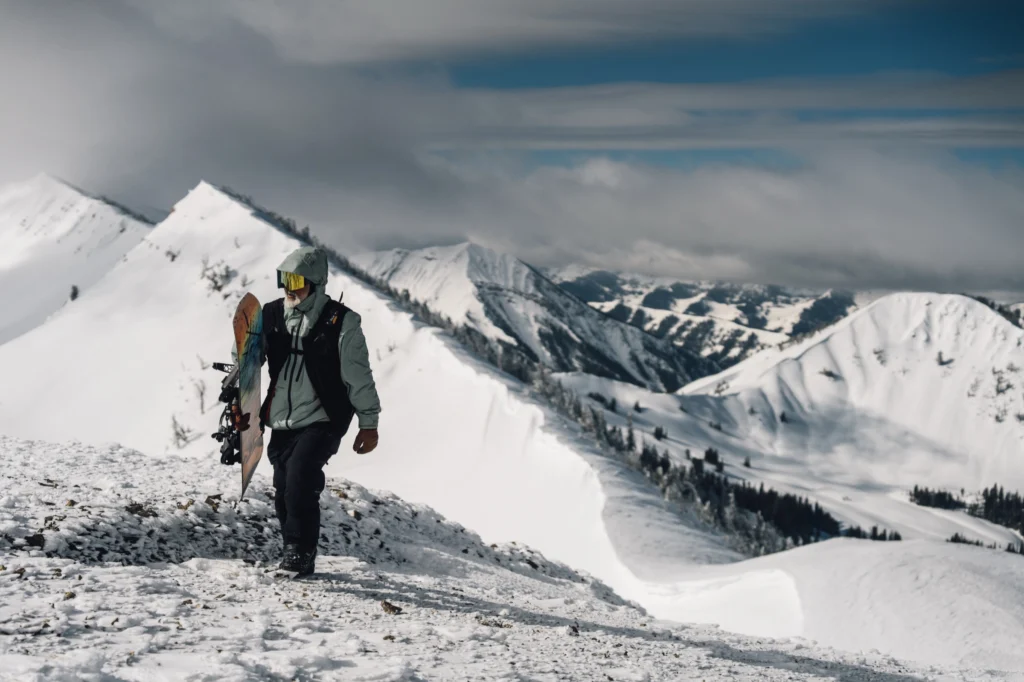
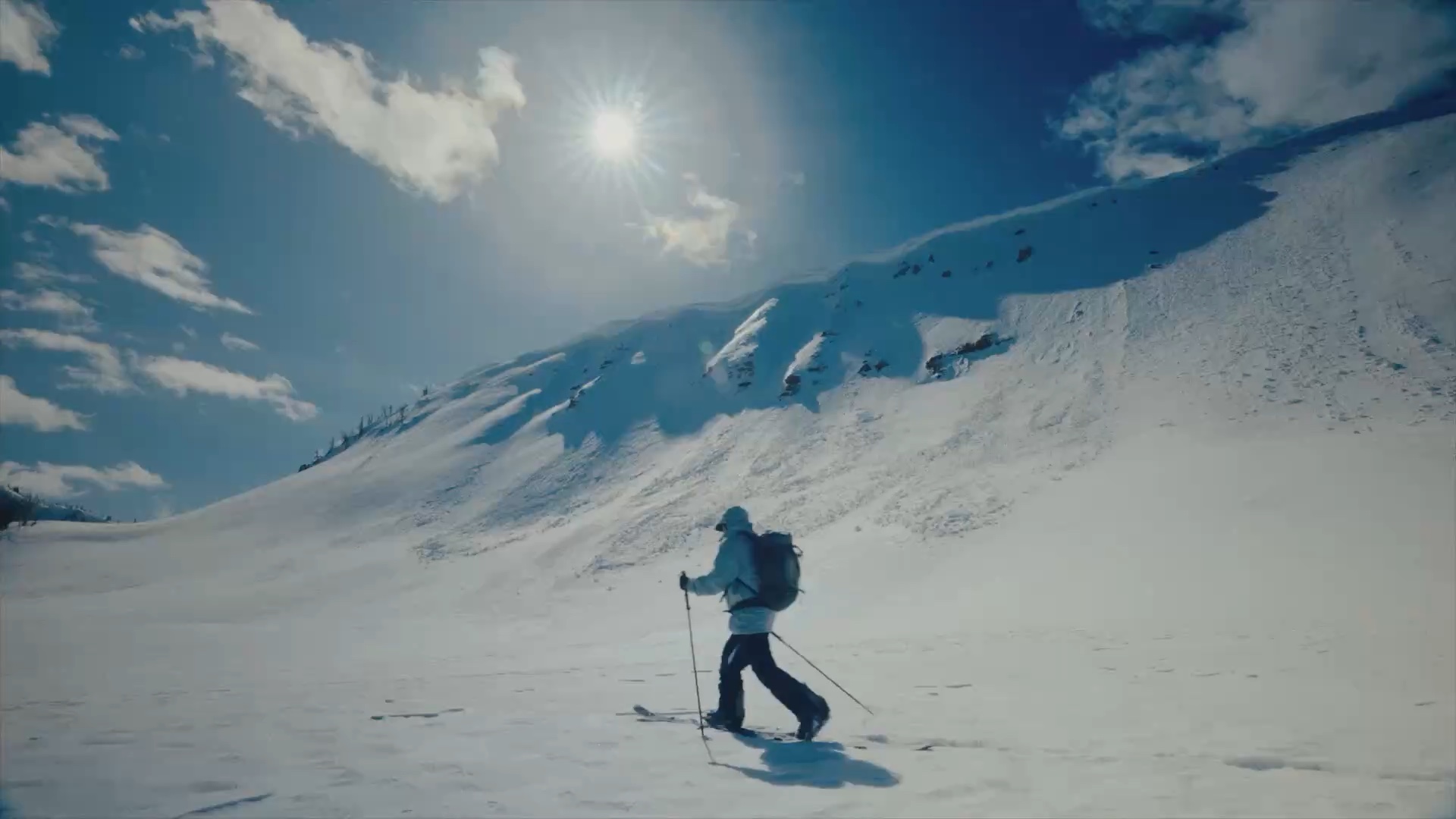
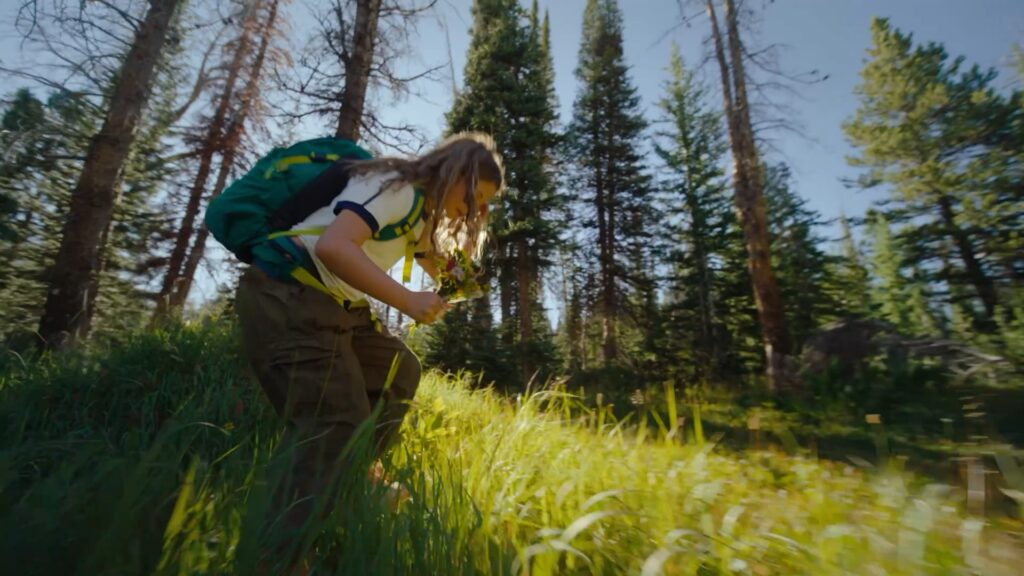
The cost of a commercial photo shoot is built from the lines in the table below, and the photographer’s day is only one of them. Two shoots with the same photographer can sit far apart because one is a day in a studio with product on a table and the other is a week in the field with athletes. The launch of Volcom’s Bryan Iguchi Collection was the field kind: three days filming and photographing Bryan around Jackson, Wyoming.
| Cost driver | What moves it | What to put in the brief |
|---|---|---|
| Shoot days | Setups, locations, daylight | The shot list |
| Crew | Lighting, styling, client on set | Who attends, what gets styled |
| Location or studio | Fees, permits, travel | Places you have in mind |
| Talent | People, days, usage | Who you bring, who we cast |
| Finished images | Select count, retouching | How many, how polished |
| Usage | Media, territory, term | Where it runs, how long |
How do shoot days and the shot list set the number?
Shoot days are usually the biggest lever, and the shot list decides how many you need. We price from days and people, so the first thing we do with a brief is work out how long the list takes to shoot properly.
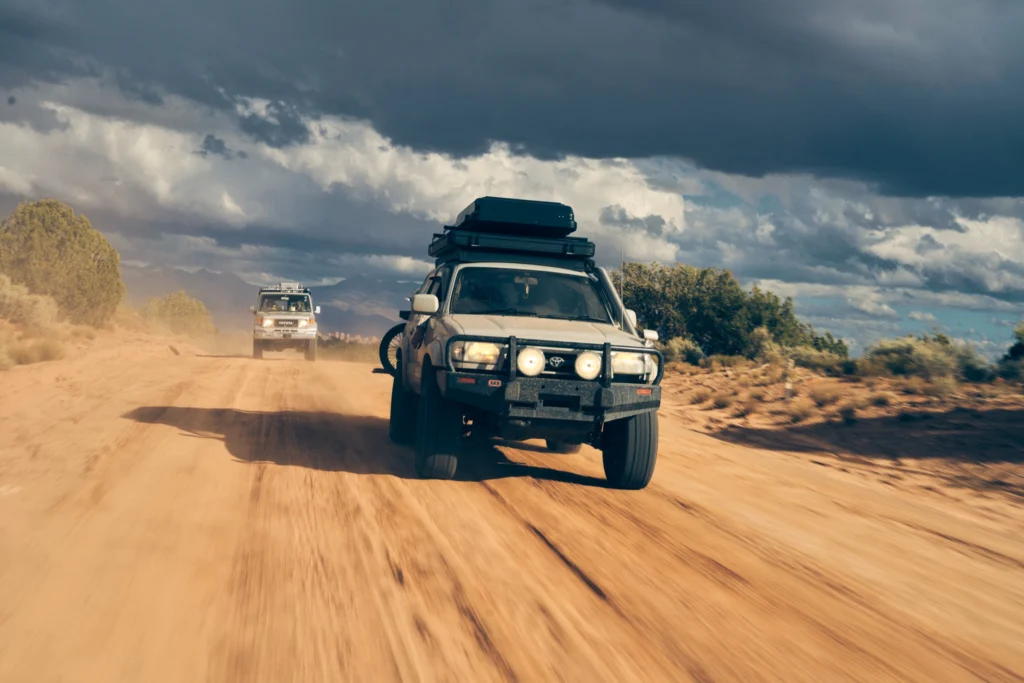
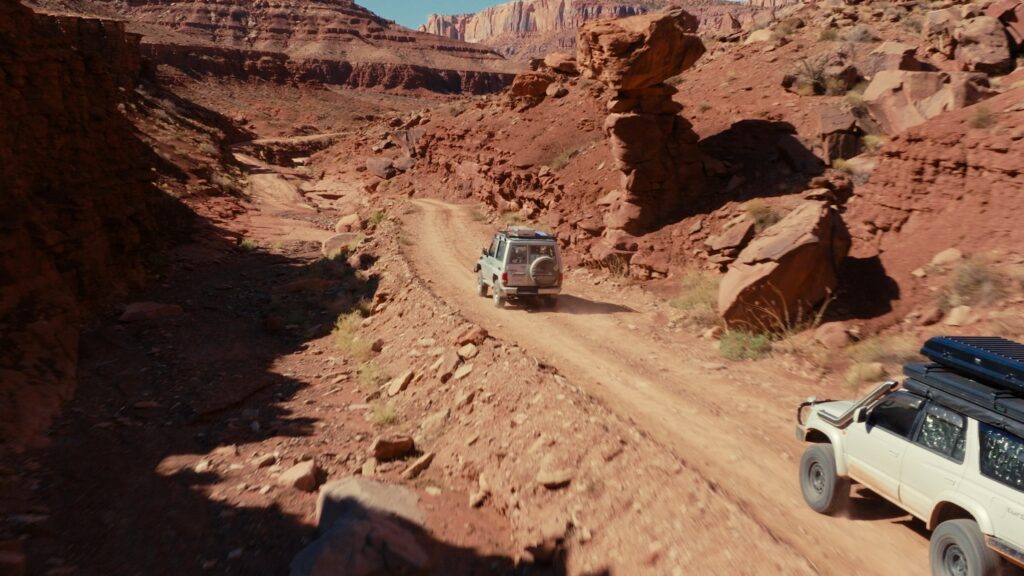
A shot list is a count of setups. Every change of location, light, wardrobe or product is a setup, and each one takes time before the first frame. Ten images of one jacket on one ridge at sunrise is a morning. Ten images of ten products in ten places is a different job with the same number on the brief. For Goal Zero’s Yeti 1500 launch, the shot list came from the product’s spec sheet, and we shot it over two days outside Moab with Goal Zero on set.
Outdoor shoots add their own math. Good light comes twice a day. Travel days are paid days. Weather doesn’t follow the schedule, so a sensible plan holds time in reserve or says plainly that it doesn’t.
Who is on a commercial photo crew?
The crew is sized to the shot list. A documentary-style day in the field can be a photographer and one assistant. A lit product or lifestyle shoot needs more hands, and each one is a line.
Photographer. The fee covers the shoot days, and usually prep and travel days at a lower rate. The license to use the images is a separate line, covered below.
Assistants. They carry, build and move the lighting so the photographer keeps shooting. A photographer with no assistant on a lit job is a slow day, and a slow day delivers fewer images.
Digital tech. Runs the capture station: images land on a screen as they’re shot, get checked for focus and exposure, and get backed up. If your team is on set, the tech is how you see and approve frames in the moment. We budget that review setup whenever the client attends.
Stylists. Wardrobe, props, food, hair and makeup, depending on the shoot. Stylists need prep days to source and returns to make afterward, and those days belong in the estimate.
Producer. Books the crew, locations, permits, travel and meals, and keeps the day on schedule.
What do locations, studio and talent add?
Locations and talent add fees, and both tie back to days. A studio is a day rate plus anything built inside it. A location can carry a fee, a permit, a scout and the travel to reach it.
Talent ranges from your own team, athletes and ambassadors to cast models. Cast talent is paid for the day and for the use of their image, and that second part grows with where the photographs run. If you already have people or places in mind, say so in the brief. It takes the guesswork out of two lines.
How do finished images and retouching change the cost?
The number of finished images matters more than the number of frames shot. A shoot produces a lot of frames. What you’re buying is the selects: the images chosen, color corrected and delivered. Force of Nature’s It’s Just Better, its hero campaign for fall 2025, delivered a library of stills next to a 60-second film, a :30 and four :15s.
On our estimates, selects and color is one line and retouching is another. Color is applied across the whole set. Retouching is work on a single image: cleaning a product, fixing a seam, removing a sign, compositing two frames. A library for social and email needs clean color on many images. A key visual for a billboard needs careful retouching on one. State the select count and the level of finish, and the post line can be priced instead of guessed.
How does usage change the price of photography?
Usage is where the photographs run, in which territories and for how long. The wider it goes, the more the license costs, and the same goes for talent.
Expect the question early. Organic use on your own channels is one thing. Paid media, retail, packaging and out-of-home are another, and paid use is where the number moves most. Tell us the widest it will run and how long you want to hold the rights.
Does shooting stills on the same production as the film save money?
Usually, yes. The location, the talent, the styling, the travel and the producer are already paid for once, and the photographs share them. You add a photographer, often an assistant, and the time to shoot.
That last part is where it works or doesn’t. Photography needs its own time in the schedule. Stills pulled from video are a fallback. The frame was composed and lit for motion, it often carries motion blur, and it may not hold up at the size a print or a banner needs.
Sharing a production stops saving money in a few cases:
- The stills need different light. Flash and a film set don’t share a room well, so each setup gets done twice.
- The stills list is long. A full product catalog on top of a film schedule adds days anyway, and a separate studio day is often cheaper.
- The schedule is already full. A photographer shooting over the director’s shoulder between takes gets what’s left.
- The talent’s usage differs. If the film runs on your channels and the photographs go on packaging, the talent line gets priced for the wider use.
When any of these is true, a separate stills shoot is the right call, and we’ll say so in the estimate.
How Black Koles does it.
We plan film and photography together, before anything is shot. Every estimate carries a deliverables matrix, and the photography row states the select count. On set, the stills get their own time in the schedule. On a recent campaign shoot we also shot the film’s B-roll to mirror the stills, so the two sets look like one campaign.
To see that on one project, open Goal Zero’s Yeti 1500 launch. The stills and motion shot lists were written side by side, and Goal Zero built the product page around our stills and the film. Who we are and how we work is on the About page. A quote follows a first conversation: write to info@blackkoles.com or use the contact page.