


Black Koles · Journal · No. 02 · 5 min read
Creative agency vs production company: which do you need?
A creative agency decides what a brand should say and plans the campaign that says it. A production company makes the films and photographs. If the idea isn’t settled, you need an agency. If the idea is approved and you need it made, you need a production company. If you have neither, you need both, or one team that does both, which is how we work at Black Koles.
What does a creative agency do?
A creative agency works on the problem before anything is filmed. It studies the audience, sets the message, writes the idea and decides the shape of the campaign: which pieces get made, where they run and when.
Most of its output is on paper. Expect a strategy, a brief, a concept, scripts, a plan of assets and a release calendar. When it’s time to shoot, an agency will usually hire a production company and direct the work from the client side.
The names overlap. “Creative agency”, “ad agency” and “advertising agency” are used loosely, and two companies with the same label can do different jobs. Ask which parts a company does with its own people: the strategy, the creative, the making.
What does a production company do?
A production company turns an approved idea into finished work. It brings the director and crew, finds locations, casts talent, runs the shoot and handles post-production: edit, color, sound and graphics. That was our part on the 2025 Toyota 4Runner launch films, made with Outside: we ran production and camera, and the same days gave Toyota a character film and a cut made for TV.
It usually arrives with a brief or a script already in hand, and answers with a treatment and a budget. Its strength is craft and logistics. A good one knows what a shot takes, how long a day runs and what a location allows.
The limit is scope. A production company isn’t usually asked whether the idea is the right one, or what happens to the film after delivery. If nobody else owns those questions, they go unanswered.
Where does an in-house team fit?
An in-house team knows the brand, the product and the calendar better than any outside partner. It often owns the strategy and runs the channels day to day.
It usually doesn’t have the capacity for a large campaign or a specialist crew, and it’s hard to see a brand from inside the building. That leads to three common arrangements:
- The in-house team writes the strategy and the brief, then hires a production company to make the work.
- The in-house team sets the goal and hires an agency for the concept, with production to follow.
- The in-house team makes the everyday content and brings in a partner for the large moments in the year.
In each case the partner should work with the in-house team, not around it. The team that runs the channels after delivery needs to be in the room when the deliverables are decided.
The Skullcandy Story, a customer film for Shopify, worked that way: Shopify’s team brought the story, we led creative direction, production and post, and the two teams cut the film together, round by round.
“Their team brought thoughtful creative direction, clear communication, and a sharp eye for authentic storytelling… The final A+ work was visually strong, emotionally grounded, and delivered with creative professionalism and zero ego.”
Which do you need?
It depends on what you already hold when you start looking.
- An approved script or concept and a launch date: a production company.
- A product or a goal, and no idea yet: a creative agency, or a team that does both.
- An in-house creative team with a concept and no crew: a production company.
- Finished films and no plan for releasing them: strategy and rollout help, which is agency work.
- A small team that needs the thinking and the making: one partner that does both.
A simple test is to ask what you would hand over on day one. If it’s a script, you need a production company. If it’s a business problem, you need the strategy and the idea first.
What changes when one team does both?
The handoff goes away. In the two-company model, one group writes the idea and another prices and shoots it. Intent gets lost in that gap, and ideas are sometimes approved before anyone has checked what they cost to shoot.
When the same people plan and make the work, a few things change:
- The idea is written by people who know what a shoot day can hold. A concept that needs more days than the budget allows gets fixed at the writing stage, before anyone is on set.
- The deliverables are planned with the concept. Cutdowns, vertical versions and stills are in the plan before the shoot, so they’re shot for.
- There is one contract, one schedule and one party accountable for the result.
There are trade-offs. With two companies, each checks the other, and you lose that. A combined team may also not be the right fit for work that needs many markets at once or a big media operation. For a campaign with a clear audience and a defined set of films and photographs, the shorter chain tends to help more than it hurts.
Force of Nature’s It’s Just Better is that kind of campaign: we wrote the treatment, shot it over three days and cut a :15 for each of its four storylines, in every social ratio.
What should you ask before you hire?
Whichever route you take, ask each company the same five things.
Who writes the idea, and who directs it. In some companies these are the same people. In others the work passes through several hands.
Which parts are done by its own team and which are hired in. Hiring specialists for each job is normal. You should know who they are.
How it works with an in-house team or an existing agency. A good answer names where its work starts and stops.
What happens after delivery. Some partners stop at the final files. Others plan or run the release.
What it doesn’t do. A clear no is useful, because it tells you what you still need to cover elsewhere.
How Black Koles does it.
Black Koles is a creative agency and production company in Salt Lake City, Utah, founded in 2019. One team does strategy, creative, production, post and rollout, and both founders have worked on the brand side and the agency side.
Some jobs use the production side only, like the Toyota films. Others use the whole team. We plug in at whatever stage the job needs and build the crew around it.
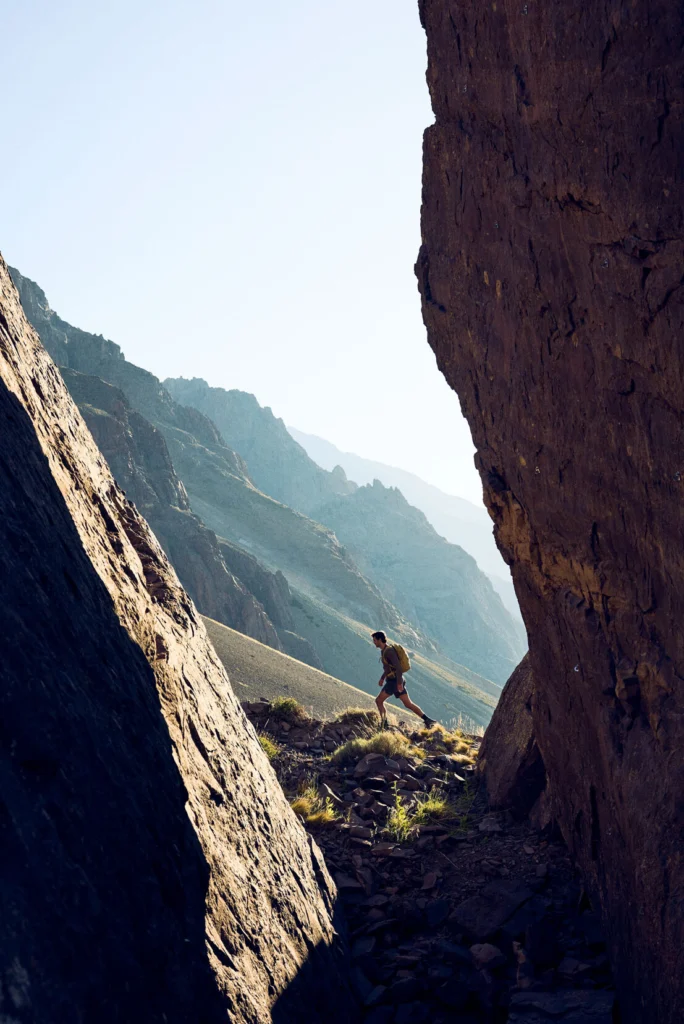
To see the whole team on one job, watch Welcome to Gregory, Gregory’s global relaunch: we led it as both creative agency and production partner, from brand strategy through the shoot in Chile to final delivery. Who we are and how we work, from strategy through rollout, are on the About page.