

Black Koles · Journal · No. 27 · 6 min read
Freelancer or production company: which do you need?
Hire a freelancer when one skilled person can do the whole job, such as an interview, an event recap or a day of social content. Hire a production company when the job has several departments, travel, talent, usage to negotiate or a date that can’t move. The difference is who carries the planning and the risk. At Black Koles we build our crews from freelance specialists, so we see both sides of this choice.
What is the difference between a freelancer and a production company?
A freelancer sells their own time, skill and equipment. A production company sells a finished result and takes responsibility for everything needed to get there: the plan, the people, the paperwork and the post-production.
The two overlap more than the labels suggest. Most crew members on a production company’s shoot are freelancers. The director of photography, the sound recordist and the editor may all work for themselves. So the people on set can be the same either way. What changes is who hires them, schedules them and answers for the result.
The names are loose too. A “videographer” is usually one person who shoots and edits. Some freelancers trade under a company name, and some small production companies are two people. Ask what you’re getting, whatever it’s called.
What qualifies as a production company?
A production company is defined by what it takes on, whatever its size. Six things should come with the name.
A producer. Someone whose only job is the plan: schedule, budget, locations, permits, crew, travel, food. On a freelance job, that person is you.
A crew. The right specialists for the job, hired and contracted by the company. If one drops out, replacing them is the company’s problem.
Insurance. Production insurance covers the gear, the location and the people on the day. Many locations ask for a certificate before they’ll let a crew in.
Post-production. Edit, color, sound, graphics and every version of every file, on a schedule with your review dates on it.
One contract. A single agreement covers the deliverables, the price, the rights and the terms. You don’t sign with each crew member.
Someone accountable. If the shoot goes wrong, there’s a business with a name and a reputation that has to fix it.
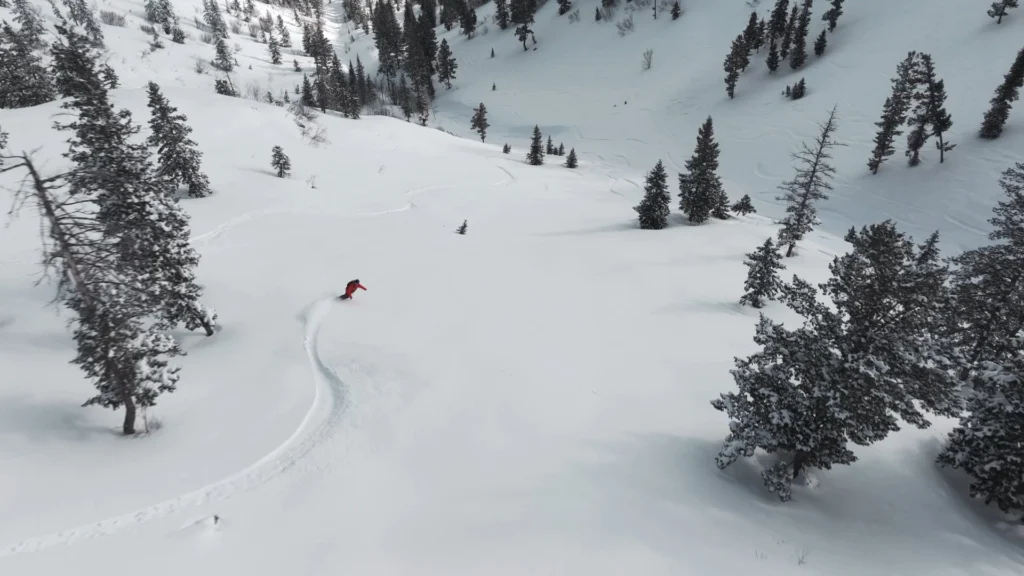
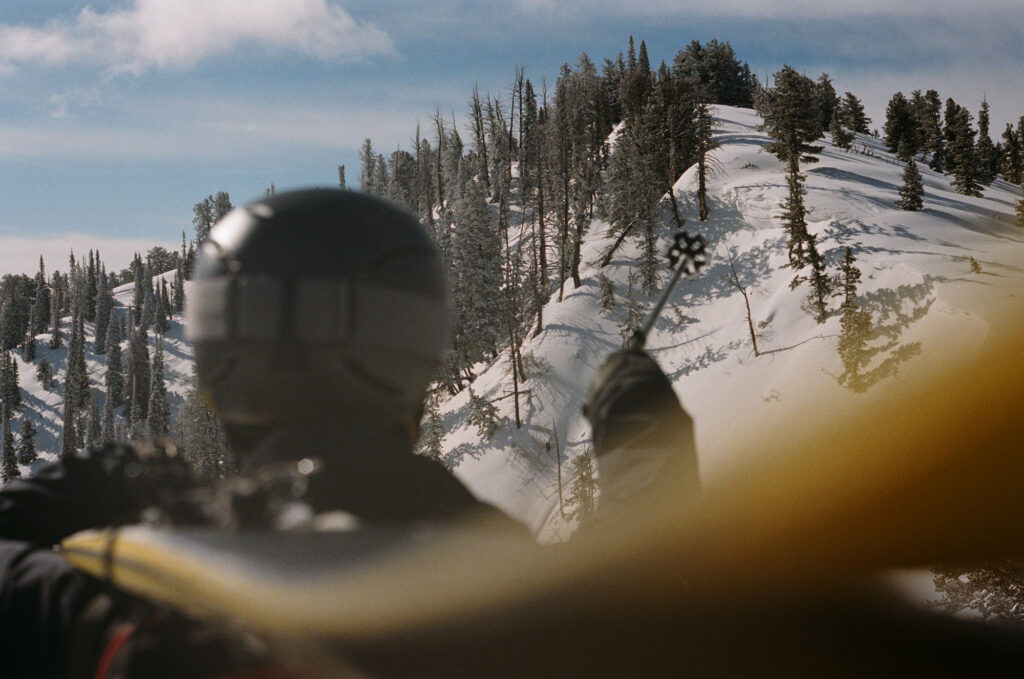
When the bluebird spring shoot for Powder Mountain’s Davenport expansion film never came and a late-season storm did, we flipped the whole crew around for one more pickup day.
How do a freelancer and a production company compare?
They compare on what you get, who plans it and who carries the risk.
| Question | Freelancer | Production company |
|---|---|---|
| What you get | One person’s time, skill and kit | A planned shoot, a crew, post, finished files |
| Who plans it | You | A producer |
| Who carries the risk | Mostly you | Mostly the company |
| Releases and licenses | Yours to collect | Handled for you |
| If someone is sick | The shoot moves | The company finds cover |
| What it suits | Small, simple, recurring work | Larger jobs and fixed dates |
The risk row matters most. With a freelancer, a rained-out day, a missing release or a failed drive is yours to solve. That’s a fair trade on a small job, where the worst case is an afternoon reshot.
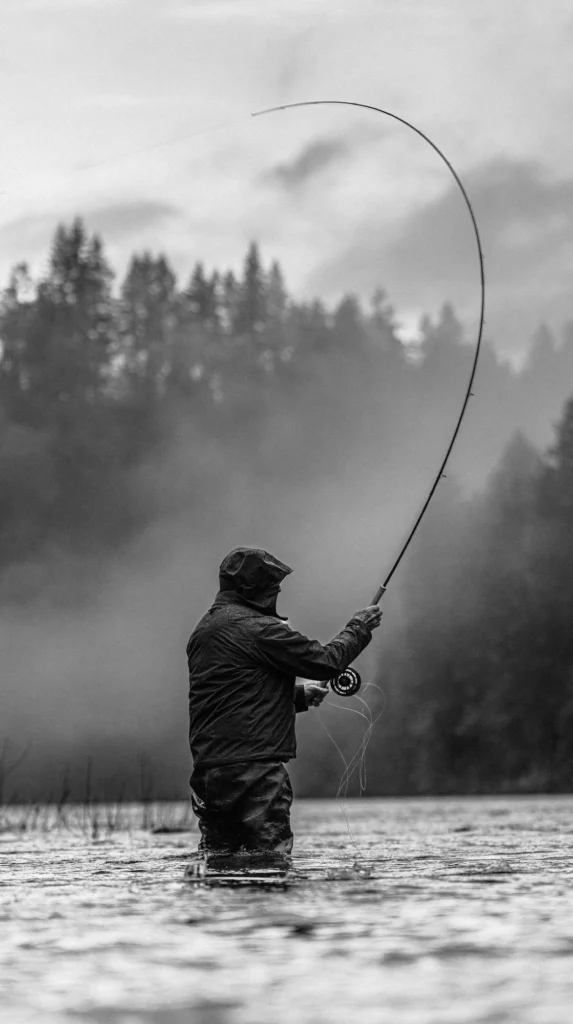
It’s a poor trade once the job travels. To launch R.L. Winston’s AIR 2 TH spey rod, we spent three days on the home river of the Oregon steelhead guide who helped design it, and came back with a hero film, a twelve-minute interview and cuts for social. We’ve made Winston’s launch films and photography year after year since 2020.
“The outcome? Our saltwater rod sales doubled, our dealer network grew, and our brand is now recognized as a leader in the saltwater market.”
When is a freelancer the right call?
A freelancer is the right call for small, simple, recurring work, and for a lot of brands that’s most of the calendar. The job probably fits if:
- It’s one location and one day.
- One person can shoot it and edit it.
- Someone on your team can direct, or the format is already set.
- It runs on your own channels, with no paid media or talent contracts.
- A miss would be annoying and cheap to fix.
Recurring matters as much as small. A freelancer who shoots for you every month learns the product, the people and the look, and gets faster each time. That relationship is worth protecting. A production company would be the wrong tool for it: you’d pay for a producer and a structure the job doesn’t use.
Cover a few things yourself when you go this way. Put the fee, the deliverables, the ownership of the files and where you can run them in a short written agreement. Get releases from anyone on camera. Check that the music is licensed. Ask how the footage is backed up.
Freelancer vs production company cost: what drives the difference?
A freelancer costs less because you’re buying less. The quote covers one person’s days and their equipment. A production company’s estimate covers more people over more days: prep, shoot, travel and post, plus locations, talent, licenses, insurance and a fee for running it.
Two things follow. If two quotes for the same job are far apart, look at what each includes before you look at the totals. And if a freelancer quotes a big job at a freelancer’s price, ask who else will be on it. Either they’ll hire help, which makes them an informal production company without the contract or the insurance, or they’ll be doing several jobs at once on the day.
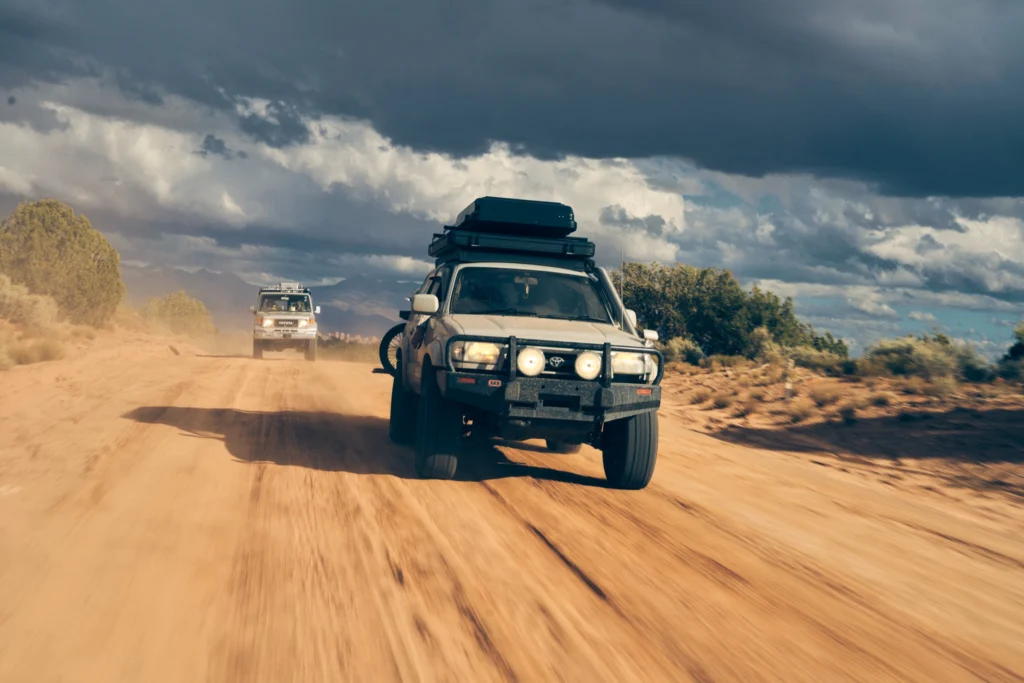
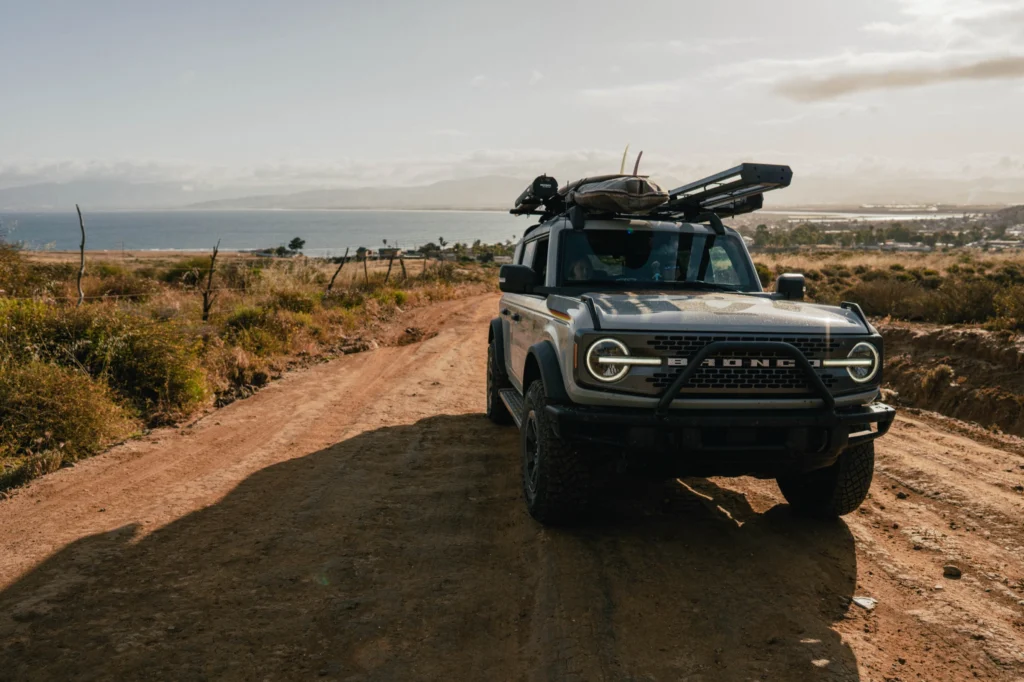
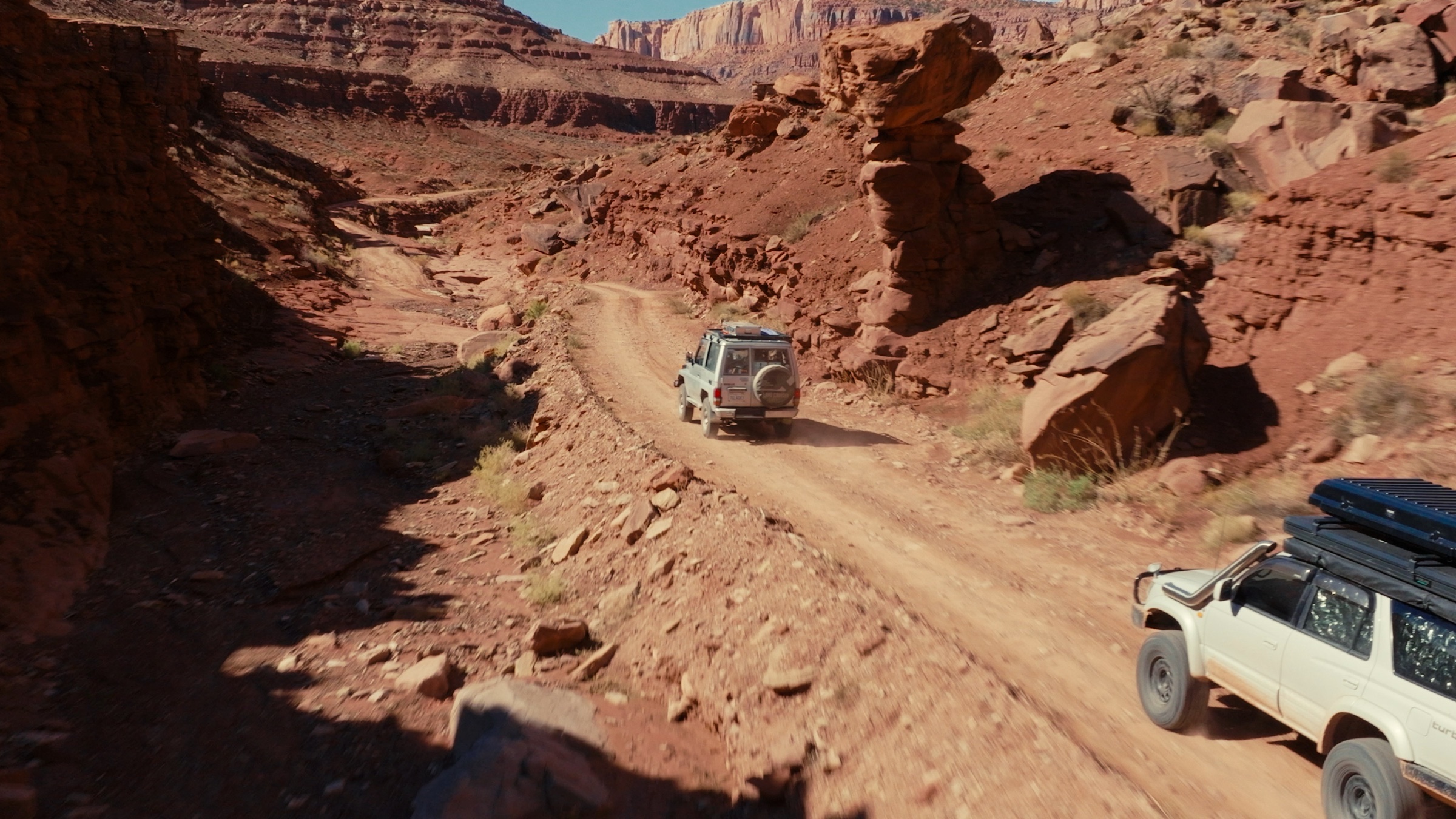
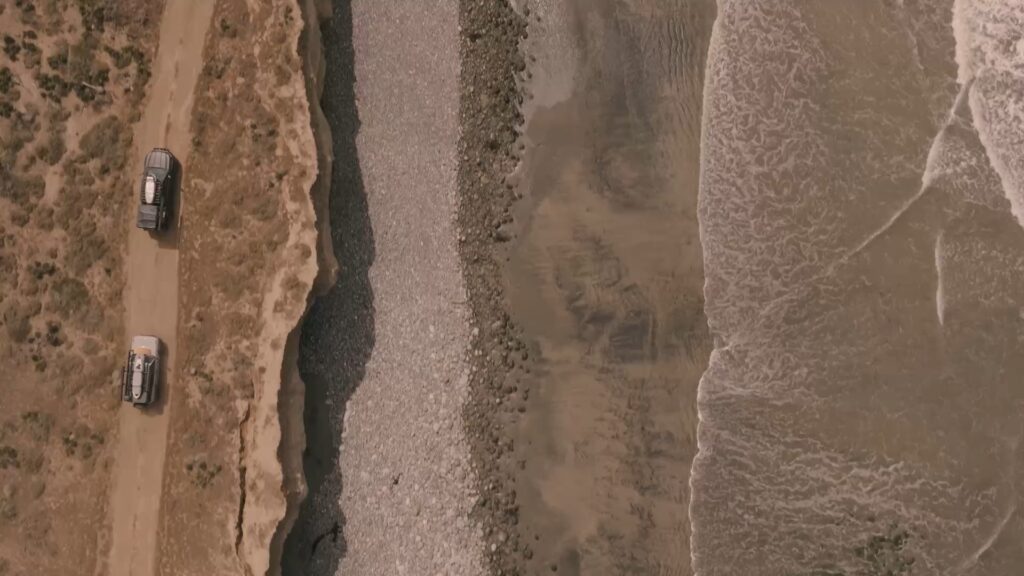
Travel and casting are where the gap shows. For Yakima’s Border Lines road-trip films, we cast four friends and followed them and two built-out rigs to Baja. The series has run three years, and each trip came back as a hero film, cuts for every feed, product films and a library of stills.
How do you know you’ve outgrown a freelancer?
You’ve outgrown a freelancer when the job needs several things to happen at the same time, or when a miss gets expensive. Look for these:
- More than one location, or travel.
- Paid talent, athletes or anyone with a contract.
- Paid media, which brings usage rights into it.
- Permits, or a location that asks for insurance.
- A long list of lengths and formats.
- Senior people from your company on set.
- A launch date, a season or a person you only get once.
With one or two of these, a strong freelancer with a helper may still manage. Past that, you need a producer.
Plenty of brands keep both: a freelancer or an in-house person for the steady work and a production company for the large moments.
How Black Koles does it.
Black Koles is a creative agency and production company in Salt Lake City, Utah, with a deep bench of specialists. The crew is built around each job, from a two-person documentary crew to a full commercial production, and many of those specialists are freelancers we know well. We add the structure around them. We think through the whole shoot before pricing it: who does what on each day, and what’s missing. The signed estimate is the contract, with the deliverables, the rights and the terms on it, and insurance is one of its lines. Every crew member is under contract before the shoot, and the call sheet goes out the night before. To see that structure on a real job, start with Goal Zero’s Yeti 1500 launch film: we built the shot lists from the spec sheet, cast the talent and the rigs, and shot two days in the desert outside Moab with Goal Zero on set. The About page has who’s behind it. If you’re not sure which side of the line your job is on, ask us. We’ll tell you if a freelancer is the better fit.