

Most of the planning for a campaign shoot happens before anyone is on set, and some of it is about what happens after. At Black Koles we plan in five steps: strategy and campaign design before the shoot, craft during it, medium and rollout after. This is how each step works and what a marketing team should expect along the way.
What are the five steps?
- Strategy: get clear on the message and what success looks like.
- Campaign: design the idea and every piece that carries it.
- Craft: make the films, photography and design.
- Medium: shape each piece for where it shows up.
- Rollout: release the work and report on it.
The first two happen before the shoot. The third is the shoot and the post-production. The last two happen after, but they’re decided early. If you wait until the edit to think about channels, most of your options are gone.
Before the shoot: what does strategy decide?
Strategy decides what the work is for, and that decides what gets shot. It’s a deep dive into the brand, its audience and its channels. The aim is to get clear on the message and on what success looks like: awareness, a habit, a cause, sign-ups or sales.
You get an audit and discovery, the audience and message, a strategy and brief, and success measures.
A campaign built for sign-ups needs different pieces from a campaign built for awareness. Without a stated goal, a shoot ends up answering what looks good instead of what the work is for.
For a marketing team, this stage is mostly questions. Expect us to ask about the audience, past campaigns, the channels you run and how you measure them. The more of that you can share, the shorter this step is.
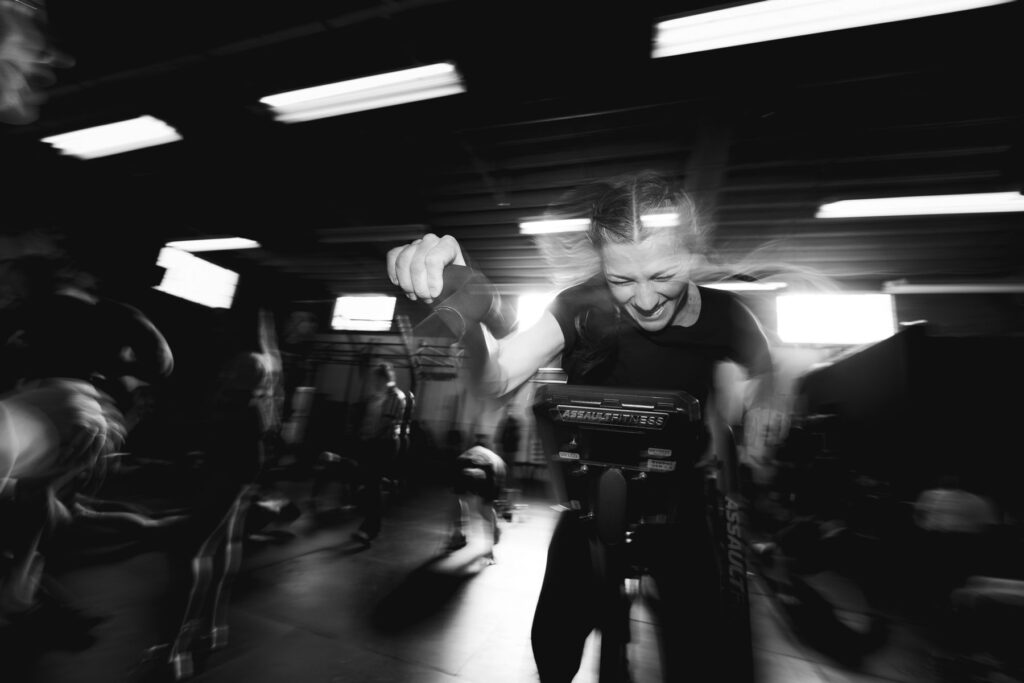
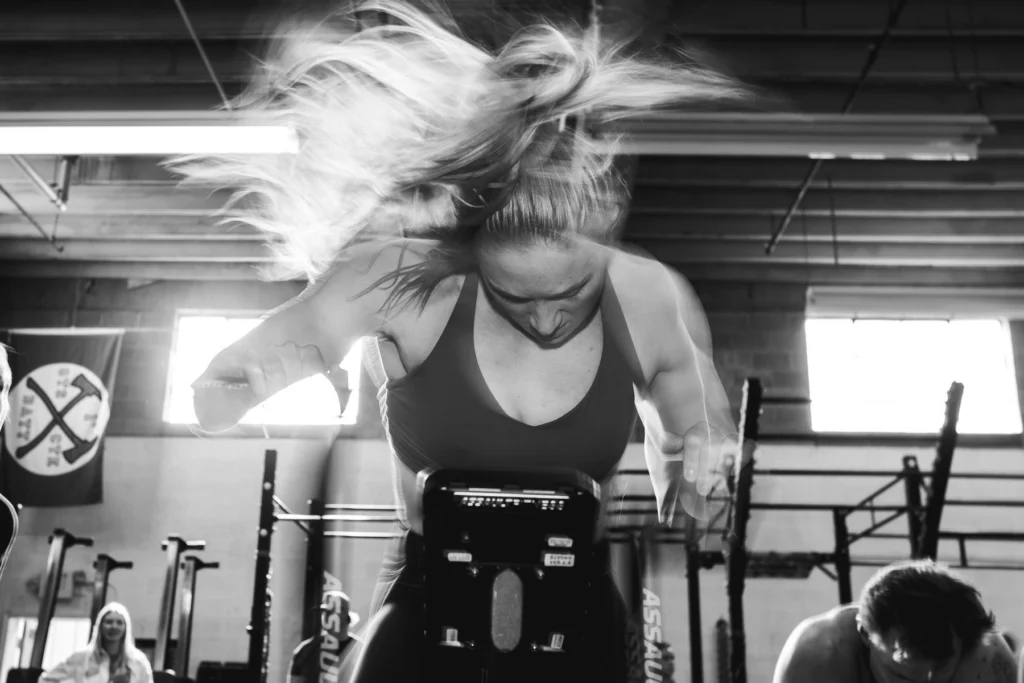
When The Sect, a gym in Salt Lake City, asked us for the work that became its anthem film and brand refresh, discovery started with what the content needed to do: show prospective members what training there feels like, define what the gym stands for, and have sign-up assets ready when membership opened.
Before the shoot: how is the campaign designed?
We design the campaign before anything is made: the big idea, the visual language, and every film, post, page and moment that carries it. Each piece gets a job, a channel and a date.
You get a creative concept, a campaign architecture, an asset map and a release calendar.
The asset map is the document the shoot is built from. It lists every piece the campaign needs, and from it come the practical plans that any production requires: the script, the shot list, the locations, the casting, the crew and the schedule for each day. For The Sect, every asset was built for a job and the release schedule was locked before a three-day shoot.
This is also where the budget takes shape. The number of pieces and what each one needs set the number of shoot days, and shoot days drive cost. Changes are cheap at this stage. The same change made on set costs time, and in the edit it may not be possible at all.
Take your time approving the asset map and the release calendar. Everything after this point is built from them.
“They’ve done more than just deliver sharp media content. They’ve helped us define, refine, and lock in the ethos of our brand.”
What happens during the shoot?
The third step is craft: films, photography, design, motion and live experiences, made by the people who planned them.
That helps on set, because no shoot day runs exactly to plan. Weather moves, light goes, a scene takes longer than expected. When something has to be cut, the people who wrote the plan know which piece each shot serves and what can be dropped without losing a deliverable.
We shoot the short pieces on purpose. A six-second cutdown gets the same care as a thirty-minute documentary, which in practice means the short versions have their own shots on the list. We don’t assemble them from whatever is left over. On Force of Nature’s It’s Just Better, each of the four storylines got its own :15, in every social ratio.
Photography is scheduled alongside film, with its own time in the day.
The client’s job on set is approvals. One person with the authority to decide, present or reachable, keeps the day moving.
After the shoot: how is each piece shaped for its medium?
Each piece is cut and finished for the place it will show up: feed, billboard, event, inbox. It isn’t one asset resized six ways. That runs through all of post-production: edit, color, sound mix and motion graphics, then review rounds with the client.
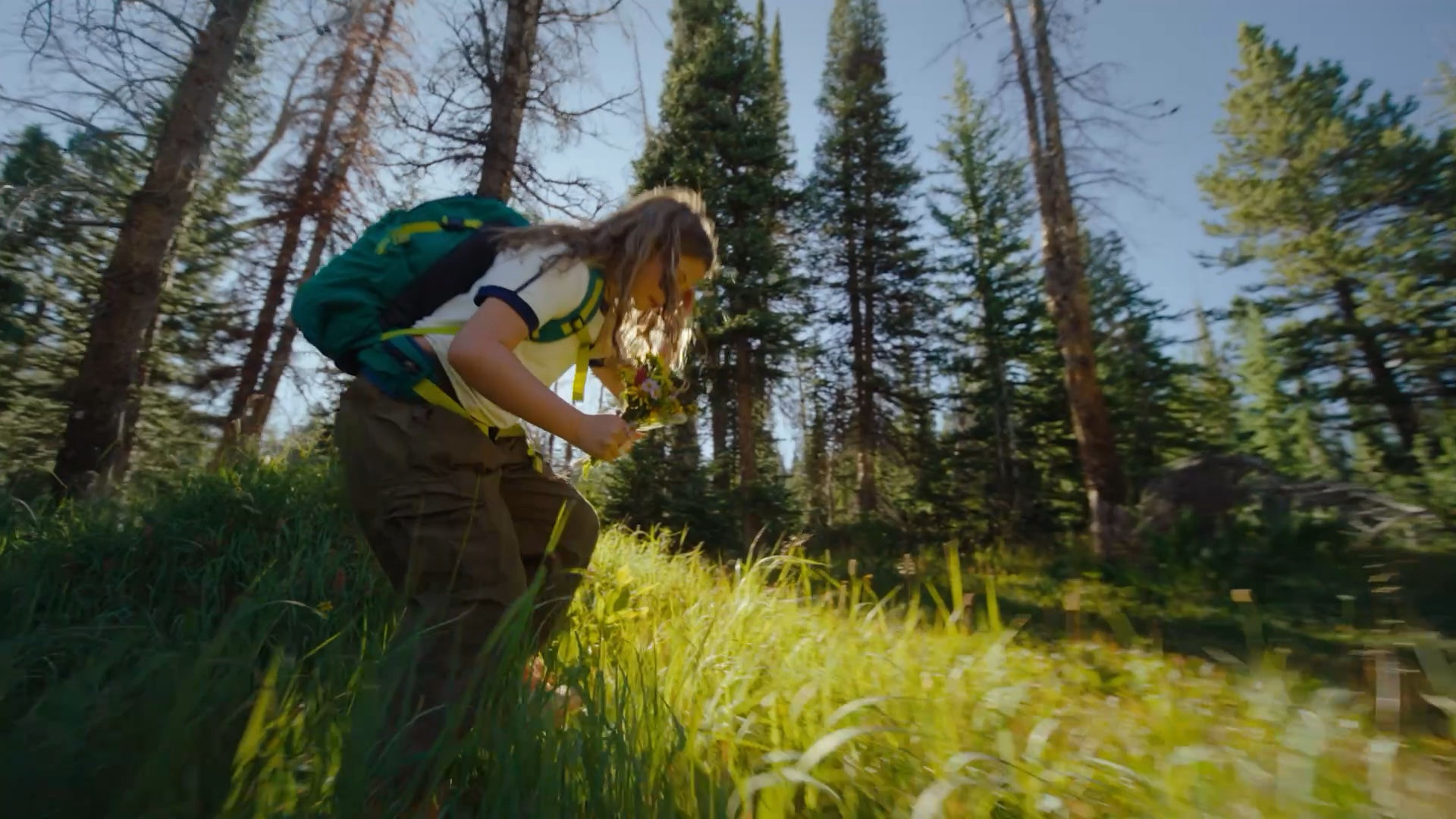
A film cut for the feed is framed and paced for the feed, with its own opening. A billboard is a still chosen and finished for that scale. An email needs an image that works small and loads fast. Welcome to Gregory, the pack brand’s relaunch film, cut down to a :30 and a :15, plus a :30 each for the Rhune and Arrio packs, in vertical, 4×5, square and widescreen.
This only works because it was planned in step two. The footage and frames for each medium exist because the asset map asked for them. Without that, the editor is left cropping a wide film into shapes it was never shot for.

After delivery: who runs the rollout?
Either team can. We can hand over the roadmap or run it: organic and paid, email and community, and reporting.
Whoever runs it, the release calendar from step two governs what goes out and when. A campaign released all at once is spent quickly. A calendar spaces the pieces so each one has room to do its job.
Then comes reporting. We read the results against the success measures set in step one. That makes the next campaign easier to plan, because the team knows which pieces earned their place.
If your in-house team is running the release, the handover should include the finished files, the calendar and a clear note of which piece is meant for which channel.
How Black Koles does it.
Black Koles is a creative agency and production company in Salt Lake City, Utah. One team does strategy, creative, production, post and rollout, so the five steps stay with the same people.
To see the five steps run through to the release, open The Sect’s anthem and brand refresh: a three-day shoot kept the gym’s channels full for four months, and the case study lays out every release by date. Who we are and how we work are on the About page. A project starts with a first conversation: info@blackkoles.com or the contact page.