

Black Koles · Journal · No. 14 · 5 min read
How do you choose a video production company?
Choose a video production company by how it scopes the job, and use the reel to build the shortlist. Look for work like yours, an estimate built from days and people, a deliverables list with every length and ratio, straight answers on usage and ownership, and a plan for overages and risk. At Black Koles we tell clients to put the same questions to every company on the list, us included.
What should you look for in a video production company before the first call?
Before the first call, look at three things: the work, the credits and the people. The reel tells you about taste. The other two tell you what the job will be like.
Start with work that looks like your job. If you’re shooting athletes on a mountain, a reel full of studio product work doesn’t tell you much, and the reverse is true too. Look for the same kind of problem: real people or actors, one location or many, a single film or a campaign with cutdowns and stills.
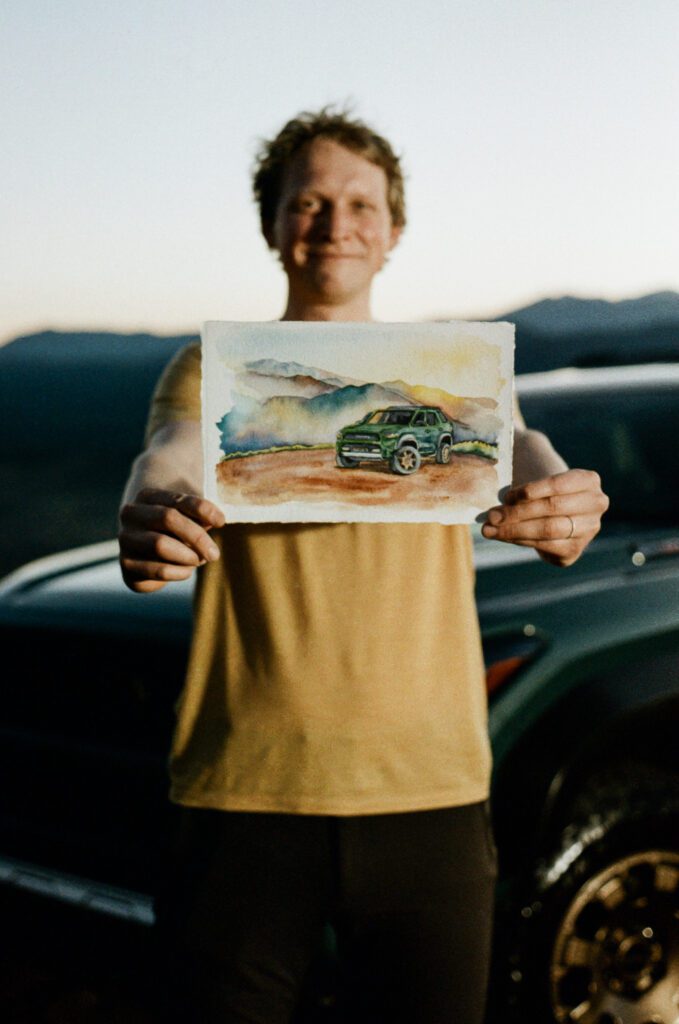
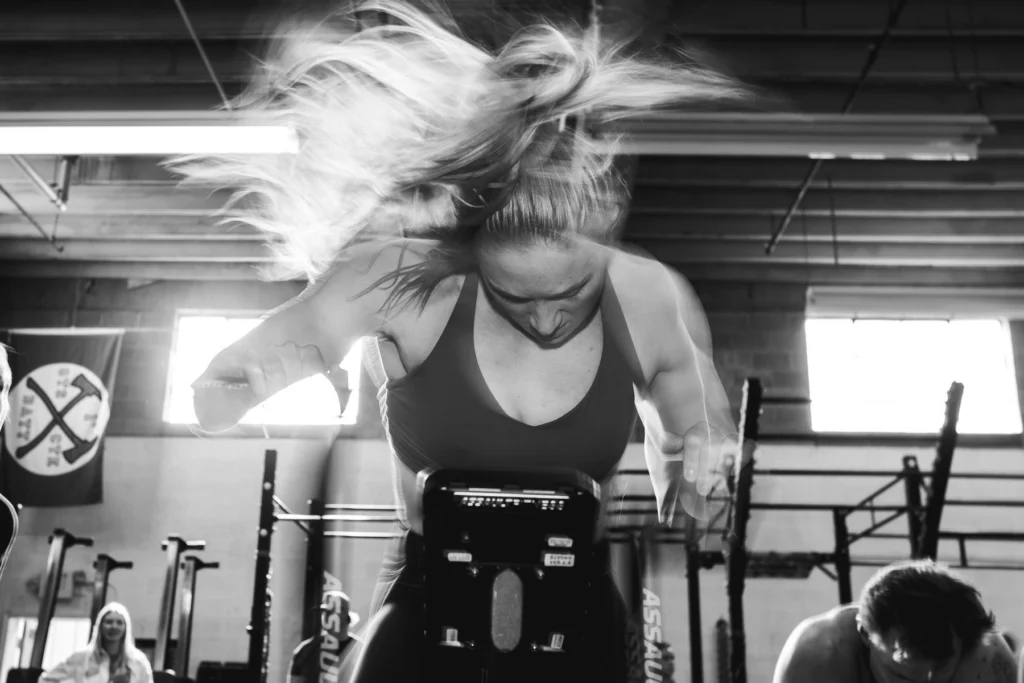
Then read the credits. A good case study says what the company did: the strategy, the whole production, or the camera department on someone else’s job. All three are honest work. You just need to know which one you’re looking at. Our own credits run the same range. On the Toyota 4Runner launch films, made with Outside, we handled production and camera. For The Sect, a gym in Salt Lake City, we did the strategy, the shoot and the rollout.
Last, find out what kind of company it is and who you’d deal with. Some shops only produce. Some plan the campaign as well. Either can be right. It depends on whether you’re bringing a finished idea or a problem.
What questions should you ask a video production company?
Ask the same eight questions on every call and write the answers down. The answers tell you how the company prices, plans and handles trouble.
| Question | A good answer sounds like | A warning sign |
|---|---|---|
| What drives this number? | Days, people and line items they’ll walk through | One lump sum |
| How many files do we get? | A list with every length and ratio | “A hero and some cutdowns” |
| Where can we run it? | They ask about channels, territory and term first | Usage never comes up |
| What do we own? | Finals are yours. Raw footage and project files are spelled out | “Everything,” with no detail |
| What if it needs to cost less? | Named cuts, each with what it saves | A smaller number, same promises |
| How are overages handled? | Approved in writing first, at the estimate’s rates | “We’ll sort it out after” |
| Who will we work with? | Named people, on the calls and on set | A seller you won’t see again |
| What does the schedule need from us? | Review dates and who has the ball | A delivery date and nothing else |
There are two more things to watch for, and neither needs a question. A good partner sends a written recap after the first call with decisions, owners, dates and what they still need from you. And they flag risk before you do: a permit, a sample that might not arrive, a location that can’t host the crew.
How do you choose a production company for an outdoor brand shoot?
For an outdoor or remote shoot, choose the company that talks about permits, weather, safety and athletes before it talks about cameras. Any one of the four can stop a shoot.
Permits. Filming on public land usually needs a permit, and permits take lead time. Ask who files, when, and what happens to the schedule if approval runs late.
Weather days. Ask whether the plan holds a weather day or some other reserve. If it doesn’t, the estimate should say so in writing, so everyone knows what the budget assumes.
Safety. Ask who has the final word on the mountain or the water. It should be a named person, often a guide or patrol lead, and the crew should be small enough to move when that person says move.
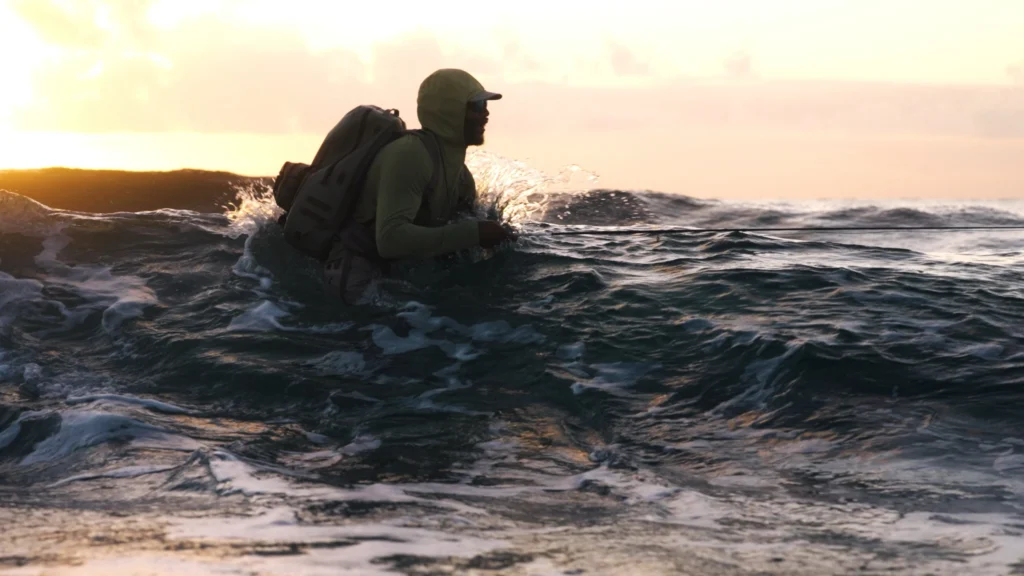
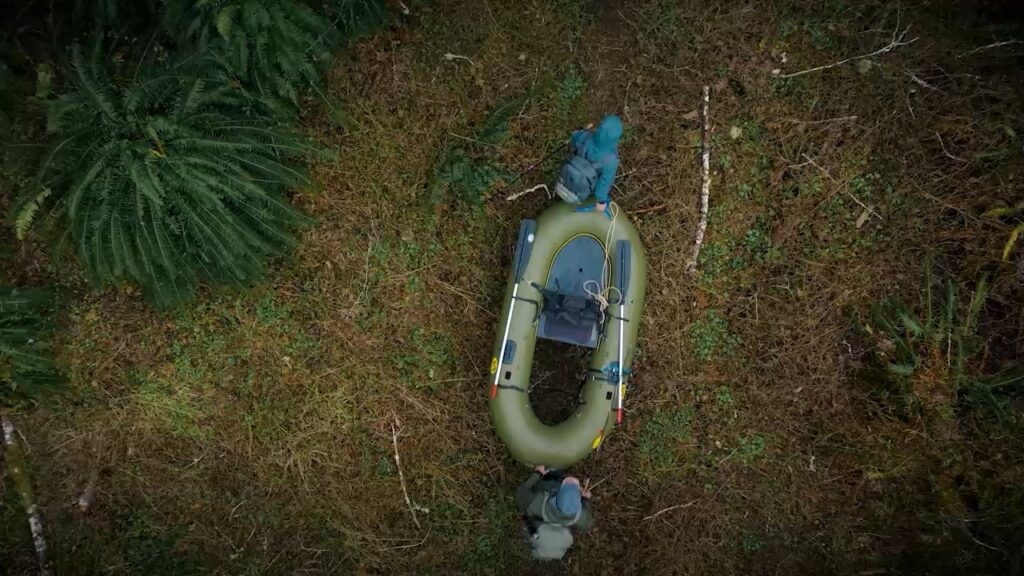
Athletes. Athletes and ambassadors aren’t actors. Ask how the company plans around their time, their existing sponsor contracts and the fact that some things can only be done once that day. For Patagonia’s fall 2026 fly fishing films we spent three days on the Oregon coast with two guides, one of them a Patagonia ambassador who helped design the packs, and filmed the jacket the way she uses it.
Ask about the season as well. A good location in the wrong month gives you the wrong film.
“We’ve found a collaborative creative partner who understands campaigns holistically and can shepherd a project seamlessly through from ideation to execution. Black Koles sets a bar for creative that’s simply hard to beat.”
What are the red flags in a video production company?
The red flags are mostly about what’s missing from the paperwork.
- A price before anyone has asked about deliverables or usage.
- A package price with no line items.
- A number that drops with no change in scope.
- No stated number of revision rounds.
- No contract, or one that only protects one side.
- Budget tiers that swap in a cheaper crew. Tiers should change the tools and the amount of post, and keep the people.
- Credits that don’t say what the company did on each job.
- A location shoot with no mention of permits, releases or insurance.
One of these is worth a question. If you count three, keep looking.
When is a freelancer or an in-house team the right call?
A freelancer is the right call when one person can do the job well: a single interview, an event recap, a day of social content with your team directing. You’ll pay less because you’re buying less. There’s no producer, no second set of hands and no one else responsible for rights or releases, and on those jobs that’s fine.
An in-house team is the right call for work that never stops: daily social, quick product updates, anything that needs someone in the building.
A production company earns its cost when the job has departments, travel, talent, usage to negotiate or a long list of deliverables, and when a miss is expensive: a launch date, a season, an athlete who’s available once. Plenty of brands use all three.
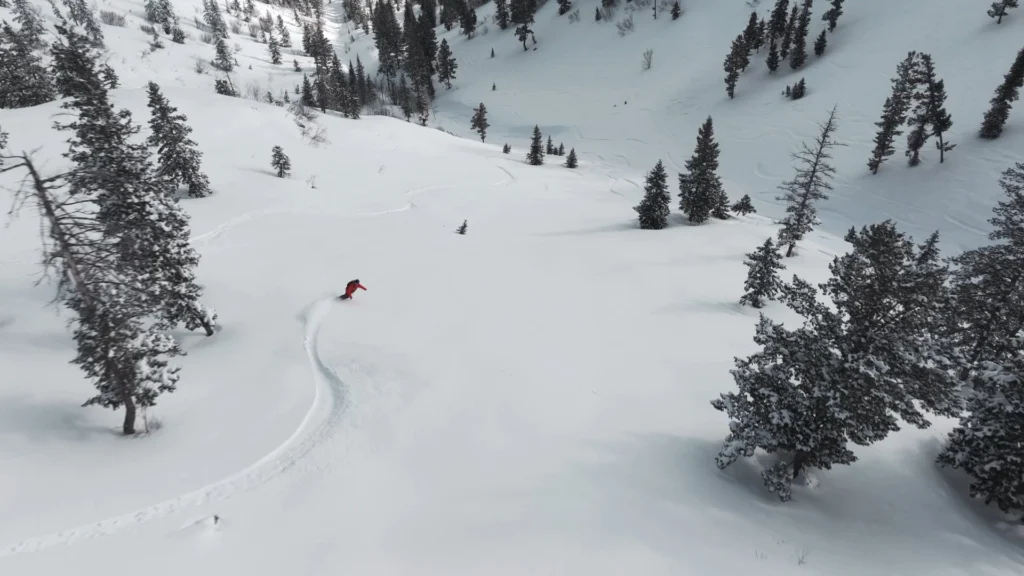
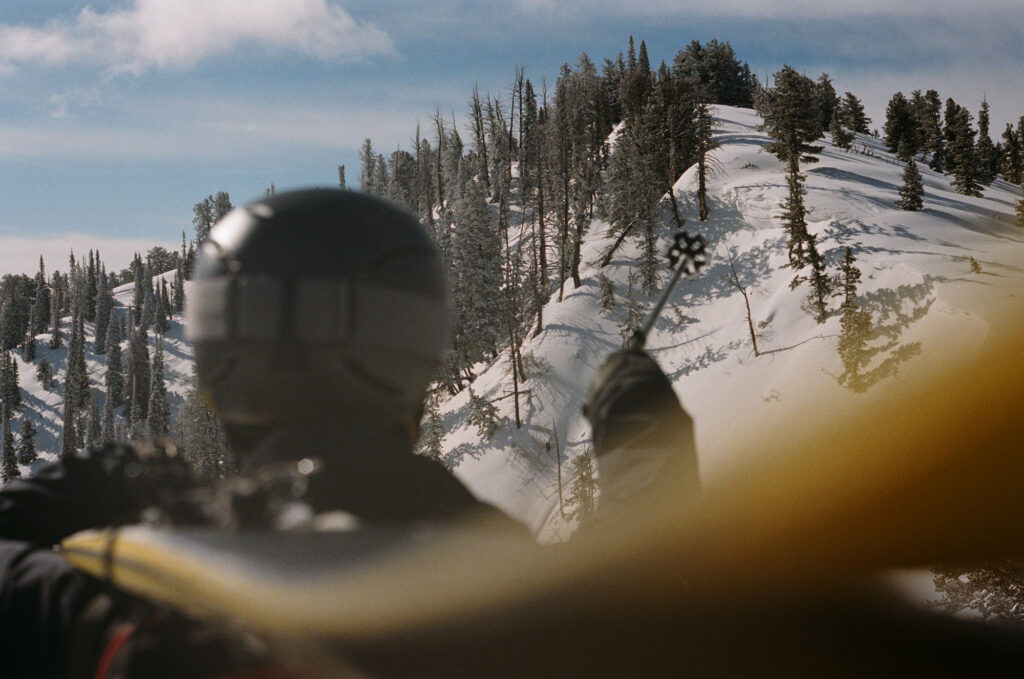
On Powder Mountain’s Davenport film, the season was the risk. Approvals ran long and we threaded shoot windows with ski patrol. The bluebird spring day never came. A late-season storm did, and the crew turned around for one more pickup day.
How do you make the final choice?
Send the same brief to two or three companies and compare the estimates section by section. Ask each for a client you can call about a job like yours. Then pick the plan you believe. If the price is the only thing separating two bids, check that they’re pricing the same scope.
How Black Koles does it.
Black Koles is a creative agency and production company in Salt Lake City, Utah. Asher Koles and I founded it, and we’ve sat in the brand seat and the agency seat. We build the crew around each job, from a two-person documentary crew to a full commercial production, and a lot of our work is shot outside. If you want to see how we scope a job, start with The Sect. They asked for content, we asked what the content needed to do, and three days of shooting kept their channels full for four months. Read who we are, then put the eight questions to us too. You can start a project here.