

Black Koles · Journal · No. 24 · 5 min read
How do you read a call sheet when you are the client?
A call sheet is the plan for a single shoot day: who needs to be where, at what time, with what. Read it the night before, top to bottom. Find your own call time, the location and parking, the day’s schedule and the person to contact. At Black Koles the producer sends it the night before and asks everyone to confirm receipt.
What is a call sheet?
A call sheet is the document that tells everyone on a shoot when to arrive, where to go and what the day holds. One goes out for each shoot day, the night before, to crew, talent and client.
Its job is that nobody has to guess. The decisions are already made, and the page carries them.
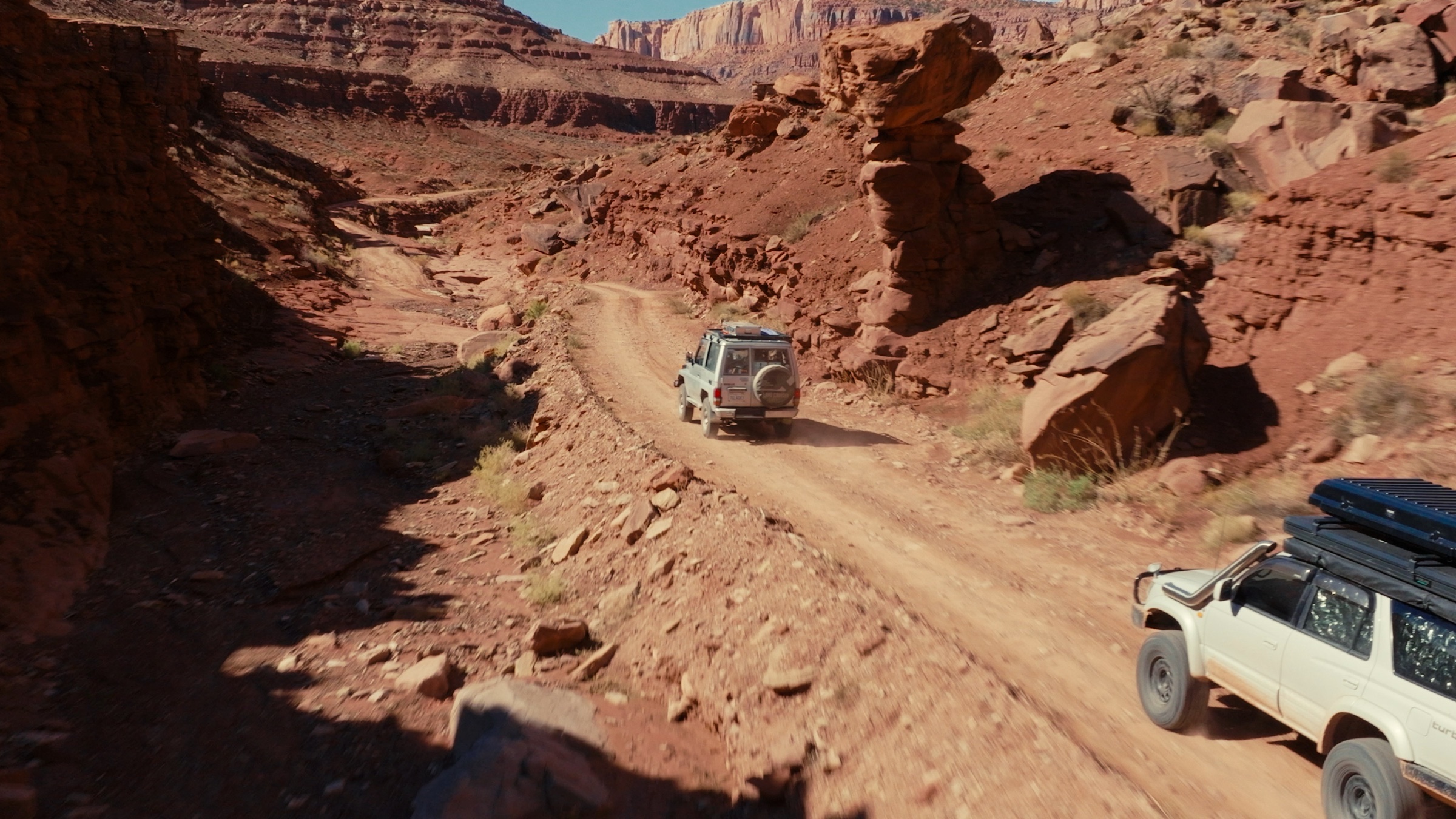
It is the short version of a bigger document the producer keeps: one source of truth with the schedule, contacts, locations, talent, props, product and call times. Film shoot or photo shoot, the sheet reads the same. On Goal Zero’s Yeti 1500 launch it was both, on the same two days outside Moab.
How do you read a call sheet?
Top to bottom. The most urgent things sit at the top.
Call time. The time you’re expected on location, ready. Crew, talent and client often have different calls, so find yours. Crew call is early for a reason: the set gets built before anyone steps in front of the lens.
Location and parking. The address, a map pin, where to park and where to walk from there. In the field the pin matters more than the address. Open it while you still have service.
Schedule of the day. Time blocks for setups, meals, moves between locations and wrap. Treat it as general time blocking, subject to the director’s discretion on the day. Light moves. Weather moves. The order may change. What has to be captured doesn’t.
Crew and contacts. Names, roles and how to reach each person. Find the producer first. That’s your person for the day: questions, changes, a late arrival.
Talent. Who’s on camera, when they arrive and what they bring: wardrobe options, full kit, helmets. If your athletes or ambassadors are on the sheet, check the names and the times.
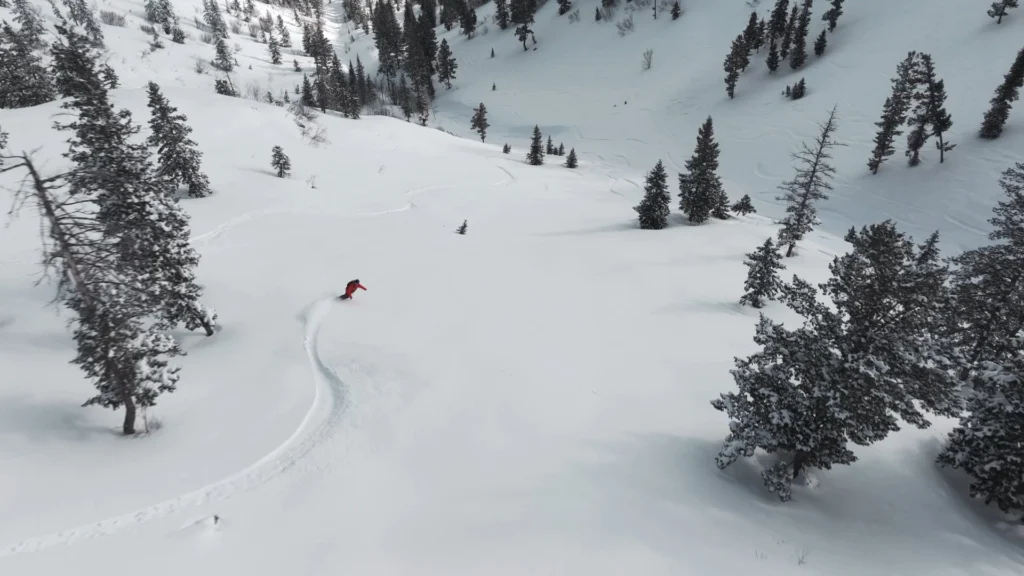
Weather and sunrise or sunset. The forecast, plus first and last light. Outdoors, the schedule is built around the light, which is why a call can land before dawn. Check the forecast again in the morning. Weather can rewrite the plan, too. On Powder Mountain’s Davenport film, the bluebird spring shoot never came, a late-season storm did, and the whole crew flipped around for one more pickup day.
Safety and nearest hospital. The hazards, who has the final word, and the address of the nearest hospital. At a ski resort, patrol has the final word: at Powder Mountain we threaded our shoot windows with ski patrol. On a river, it’s usually the guide. Read this part even if you skim the rest.
Meals. What production provides and what it doesn’t. Tell the producer about allergies before the shoot, not at lunch.
What to bring. Layers, boots, water, snacks, sun protection. If the sheet says it, pack it. Dress for the location, not the office.
Notes. Everything else. Paperwork to sign before the shoot, like releases and waivers. Whether to expect cell service. The goal of the day in two lines.
Call sheet vs shooting schedule: what is the difference?
A call sheet is about people and logistics for one day. A shooting schedule is about the order of the work: each setup, in sequence, sometimes across every day of the shoot.
We send both. The call sheet goes in the body of the email, with the schedule attached as its own document. A third document sits behind them: the shot list, which is the director’s list of what the camera has to see. The producer checks that it’s achievable in the days available.
If you only read one, read the call sheet. If you want to know when your product is in front of the lens, read the schedule.
What should the client do with a call sheet?
Five things, the night before.
- Confirm receipt. A one-line reply tells the producer you have it.
- Check the facts you own: product names, the spelling of your talent’s names, who from your team is coming.
- Flag changes that night. The night before, a change is a message to the producer. At call time it holds up the crew.
- Know where you’ll be. Usually at the monitor. When a client is on set, we plan a feed so you see what the camera sees.
- Decide who speaks for the brand. One voice, to the director or the producer, between takes. Three people with three notes cost setups.
Then sleep. Call is early.
What is a pre-production meeting, and what should a client bring?
A pre-production meeting is the last full walk-through before a shoot, where the client and the production team go through the plan and approve it. Treatment, shot list, schedule, talent, wardrobe, product, locations. Everything on the call sheet starts there.
Bring these.
- The person who can approve, or their approval in writing
- The final product list: what’s being shot, in which colors, and when samples arrive
- Must-haves: claims, legal lines, logos, brand rules
- The deliverables list, with every length and ratio
- Who from your side is on set each day, so we can build the call sheet
- Your open questions
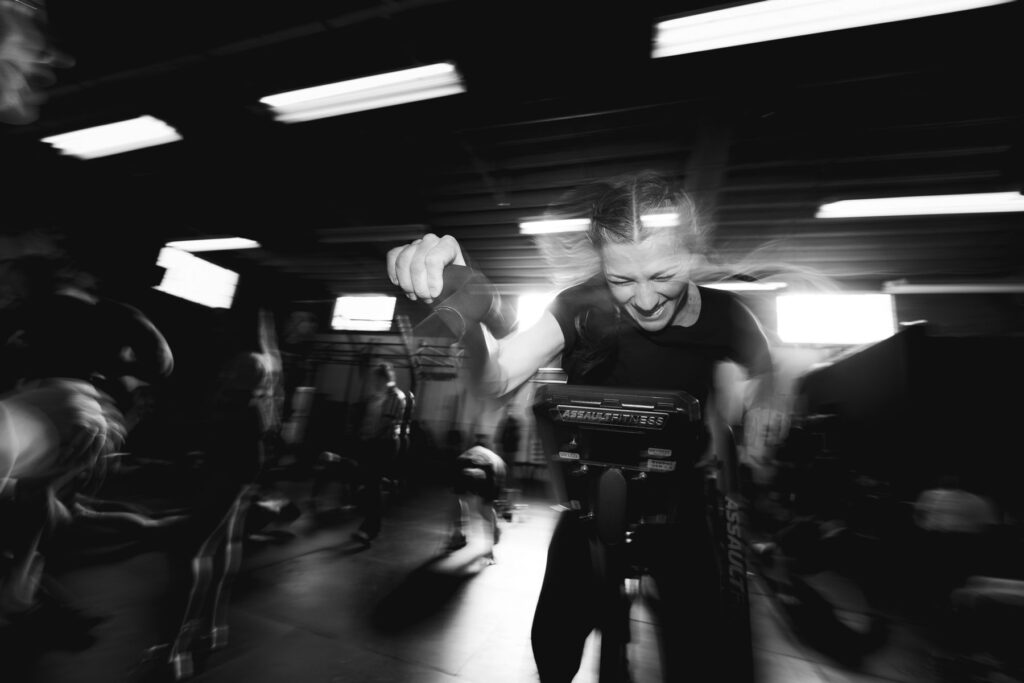
Afterward we send a written recap: creative direction, coverage, product, talent, props, schedule, and next steps with a name and a date on each. If it isn’t in the recap, it isn’t decided. On The Sect’s anthem and brand refresh, for a Salt Lake City gym, the schedule was locked before we shot, and the whole content system came out of three days.
What happens at wrap?
Wrap is the end of the shoot day, called when the last shot on the list is done. Gear comes down. The location goes back the way we found it. Footage gets backed up before anyone goes home.
On a shoot that runs several days, tomorrow’s call sheet goes out that night. After the last day the producer closes the job: invoices in, receipts filed, the budget checked against what was spent.
For you, wrap is the handoff to post. The next document you get is a post schedule with your review dates on it.
How Black Koles does it.
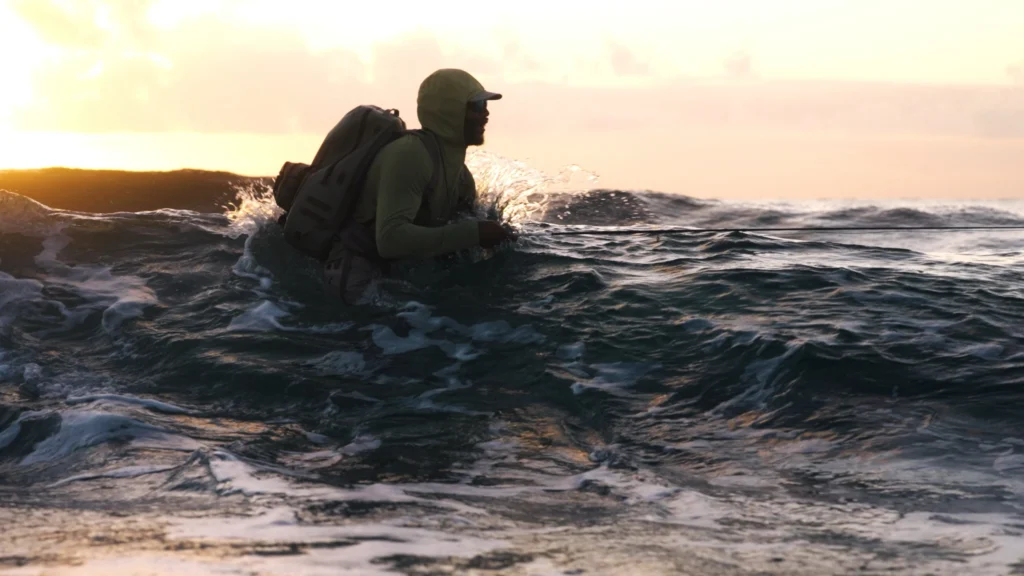
Black Koles is a creative agency and production company in Salt Lake City, and the crew is built around each job. Call sheets go out the night before. Nobody guessing. There’s more on who we are and how we work. If you look at one case study next, make it Patagonia’s Swiftcurrent and Guidewater films: a shoot that moved from the flats in Belize, with the packs on before dawn, to Patagonia’s studio in Ventura and winter steelhead on the Oregon coast, with a call sheet for every day of it. If there’s a shoot in your future, start a project.