


Black Koles · Journal · No. 21 · 6 min read
How is a production estimate built, and how do you read one?
A production estimate is built from days and people. The production company works out how many prep, shoot and post days the job needs, who has to be there and what they need, then adds its fee, insurance and any contingency. Read it section by section against your deliverables list. At Black Koles every line item is in there for a reason, and we’ll walk you through it.
How is a production estimate built?
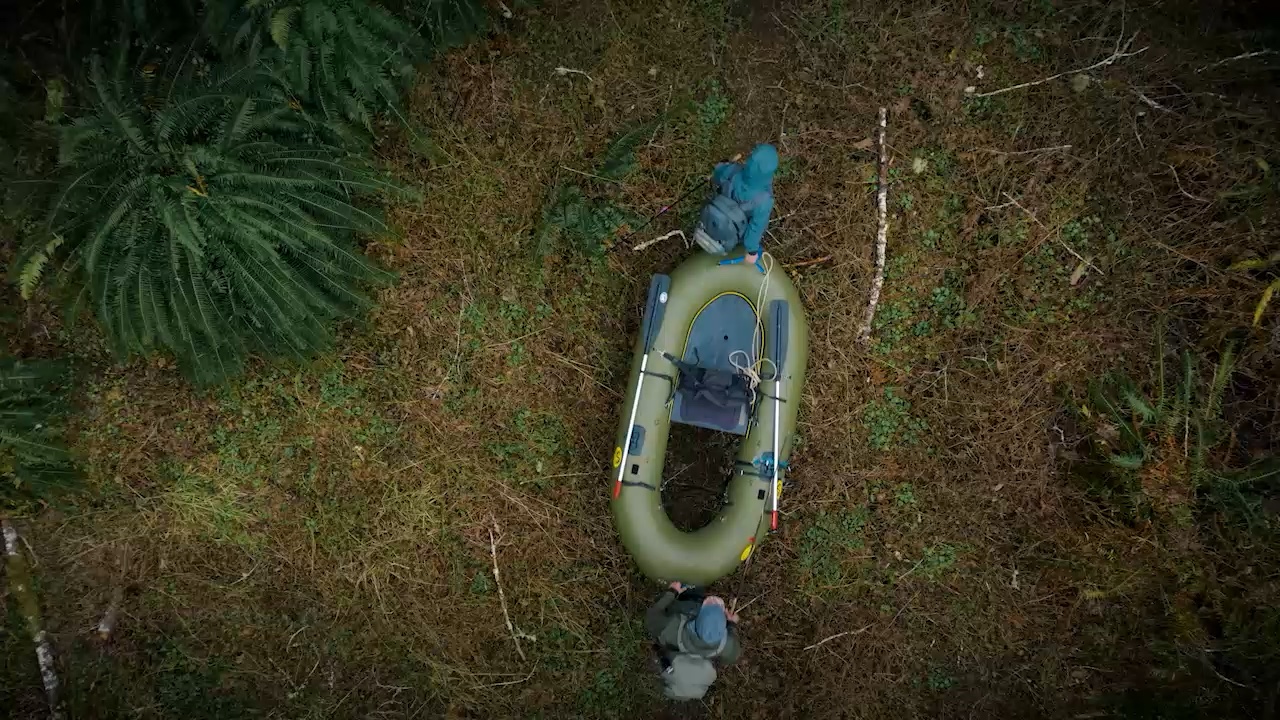
An estimate is built by thinking the shoot through before pricing it. We ask who lights, who assists, who feeds everyone, how the client reviews on set and how the footage gets to post. Each answer becomes a person, a day or a rental. We price the days it takes to do the job properly and build from there. We don’t work backward from a number that feels right. For Patagonia’s Swiftcurrent and Guidewater films, that meant shoot days in three places: the bonefish flats in Belize, winter steelhead rivers on the Oregon coast and Patagonia’s studio in Ventura.
At Black Koles an estimate moves through four stages:
- A budget draft, built from the real scope, sometimes with more than one option.
- A walkthrough with you, where changes get folded back in.
- A signature estimate. Once signed, the estimate doubles as our statement of work and contract.
- Budget against actuals, tracked from signing to wrap.
After signing, any change is a written addendum. Nobody edits a signed estimate quietly.
What does a production company ask before quoting?
A production company should ask what you need made, where it will run and when, before it gives you a number. Expect these questions:
- What are the deliverables: how many, how long, in which aspect ratios, for which channels?
- Where will the work run, in which territory and for how long?
- What are the launch date, the last possible delivery date and your review windows?
- What are you bringing: talent, product, locations, existing footage?
- Is there a target or a ceiling, and who signs?
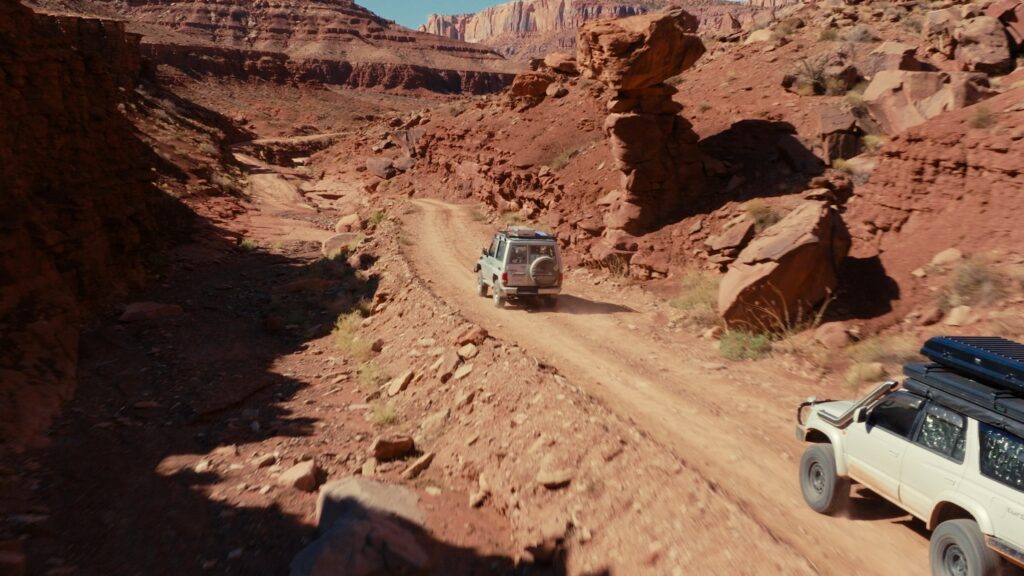
The answers change the scope. Goal Zero’s first deck for the Yeti 1500 launch film had two scenes, a surf trip and a cabin. By September it was one: an overland trip in the desert.
Where does the money go in a production budget?
It goes to days, people and the things they need, grouped by phase. Estimates are laid out differently from company to company, but these twelve lines appear on most of them in some form.
Prep. Planning, casting, scouting, permits and the producer’s time before the shoot. Check that each department that needs a prep day has one.
Shoot days. The days the camera rolls. Everything else scales from this count, so check it against the number of locations and scenes.
Crew. Each role, at a day rate, for each day. Check for gaps: an assistant, sound, someone to manage the footage.
Equipment. Cameras, lenses, lighting, grip and drives. Look for an itemized list. If one line just says “package,” ask what’s in it.
Travel. Flights, lodging, vehicles, meals and paid travel days for the crew. Check whether it’s itemized, estimated or excluded.
Talent. The people on camera: their days and the usage of their image. Check that the usage matches where you plan to run the work.
Post. Edit, color, sound mix, motion graphics and the number of revision rounds. Check that the edit days can produce the deliverables listed.
Music. A library track, a licensed song or a custom score. Check the scope of the license. Your rights can’t exceed the license that was bought.
Versioning. Every export of every cut. A :15 that ships in four ratios is four files. Check that it’s a line of its own.
Production fee. The company’s charge for running the job. The next chapter covers it.
Insurance. Cover for the production: people, equipment and locations. Check that it’s shown.
Contingency. Money held for named risks, such as a location fee or a permit. Check that it’s only billed if it’s used.
“We’ve found a collaborative creative partner who understands campaigns holistically and can shepherd a project seamlessly through from ideation to execution. Black Koles sets a bar for creative that’s simply hard to beat.”
What is a production fee?
A production fee is the production company’s charge for running the job, usually calculated as a percentage of the production costs. Some companies call it a markup.
It pays for the company itself. The line items pay the crew, the rentals and the vendors. The fee pays for hiring and managing all of them, carrying the costs until you pay, and being the one party accountable for the result.
Check two things. Ask what the fee is calculated on, since some companies apply it to every cost and some leave out certain lines. And check that it’s shown at all. An estimate with no fee line still has a fee. It’s inside the rates, where you can’t see it.
We show ours as its own line. We also don’t cut the fee or the insurance to hit a target. If the number has to come down, we trim line items, because that’s where the scope is.
What else should be on the estimate?
Three things besides the numbers: a deliverables matrix, a rights and usage block, and the terms.
The deliverables matrix has one row per deliverable, with quantity, length or count, aspect ratios, channel and notes. Every ratio is listed, so the version count is never a surprise. The matrix, the line items and the day counts should agree with each other. Force of Nature’s It’s Just Better campaign shows what one describes: a 60-second film, a :30, four :15s and a library of stills.
The rights and usage block says what you own, where you can run the work, for how long, and what stays with the production company, such as raw footage and project files.
The terms cover the deposit, how many revision rounds are included, how overages are approved, and what happens if a shoot date is cancelled. Read them before you sign. Once you do, they’re the contract.

What do you do when it needs to cost less?
Ask the production company what it could change and what each change saves. A good revision lists each one, so you’re the one choosing the trade.
| Lever | What it saves | The trade |
|---|---|---|
| Fewer deliverables | Editor days | Fewer finished pieces |
| Fewer locations | Travel and often a shoot day | Less variety on screen |
| You supply script, talent or locations | Those lines | The work and the risk move to you |
| Lighter tools and less post | Rentals and post days | A simpler finish, same crew |
| Narrower paid usage | License fees | Extending later costs more |
The easiest lever is usually the deliverable count. If you have a hard ceiling, say so early. We quote the scope that fits under it and carry the gap as a named, pre-approved contingency, invoiced only if it’s drawn. Watch for discounts that aren’t labeled, too. A discount should be a visible line, or it turns into next year’s baseline.
How Black Koles does it.
Black Koles is a creative agency and production company in Salt Lake City, Utah. Both founders have worked on the brand side and the agency side, so we scope like people who have had to approve the invoice. There’s more on who we are and how we work. Our estimates carry the matrix, the rights and usage block and the full terms. To see how far a well-built scope can go, look at The Sect’s anthem and brand refresh next: one three-day shoot kept a Salt Lake City gym’s channels full for four months. Send us your wish list and we’ll price all of it. If it needs to come down, we’ll scale it from there.