

Black Koles · Journal · No. 03 · 5 min read
What one shoot can give you: planning a content system
One shoot can give you far more than one film. Planned as a content system, it can produce a lead film, a set of supporting films, cutdowns, photography and a schedule for releasing them over months. At Black Koles we do that planning before the shoot: each piece gets a job, a channel and a date.
What is a content system?
A content system is a set of pieces planned together and released on a schedule. It replaces the habit of making one film, posting it once and starting again.
It usually has three layers. A lead piece states the idea. Supporting pieces each carry one part of it: a theme, a product or a person. Short pieces keep the channels active in between. A calendar ties them together.
It’s different from shooting extra footage and seeing what turns up in the edit. The pieces are decided before the shoot, so the crew shoots for each one.
What can one shoot produce?
With a plan, a single shoot can yield most of what a campaign needs:
- A lead film: an anthem, a brand film or a launch film.
- Supporting films, each on one theme, product or person.
- Cutdowns of each film for paid and social placements.
- Vertical versions framed for the feed.
- Photography for web, email, retail and advertising.
- A release schedule that says what goes out and when.
Goal Zero’s Yeti 1500 launch is a small version: two days outside Moab, Utah gave the launch film, three cutdowns and the stills Goal Zero built its product page around.
Not every shoot needs all of these. The limit is days and attention. Each added piece takes time on set, and a crew that is asked for everything gives each piece less. If the list is too long for the days, drop a piece before the shoot.

Worked example: The Sect
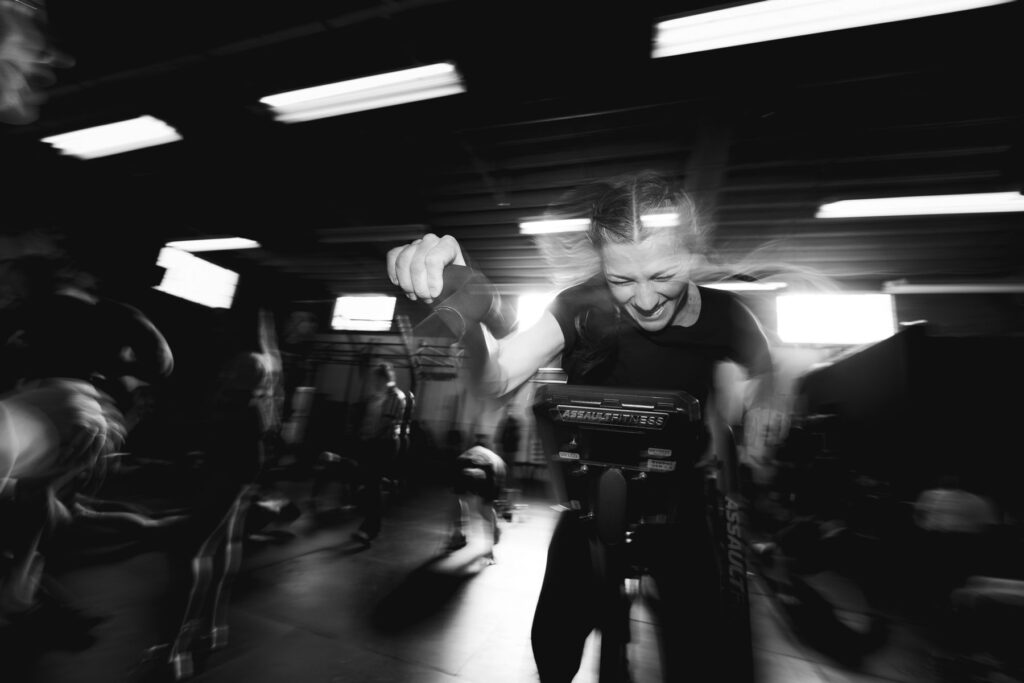
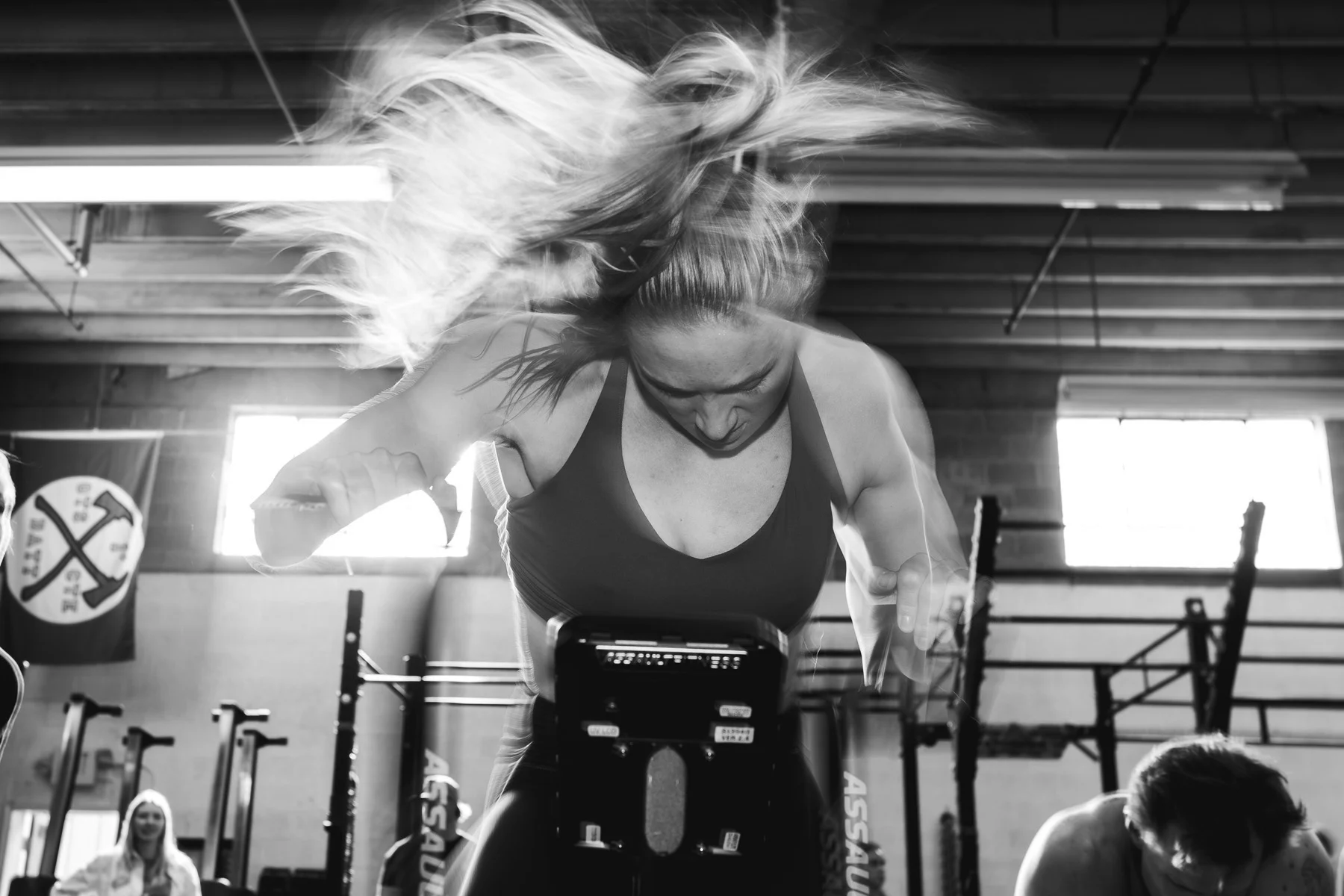
The Sect is a gym in Salt Lake City, and we made its anthem and brand refresh from a three-day shoot.
The output was two hero films led by an anthem, six pillar films, seven member spotlights, a photo library and a release schedule.
As a system, the anthem is the lead piece and the pillar films are the supporting pieces. The member spotlights are the short pieces about people that fill the weeks between. The release schedule spreads all of it across four months.
A lot of plans stop before the schedule. Then everything goes out in the first few weeks and the channels go quiet. The schedule is why a three-day shoot lasted four months.
“They’ve done more than just deliver sharp media content. They’ve helped us define, refine, and lock in the ethos of our brand.”
Worked example: Path Projects
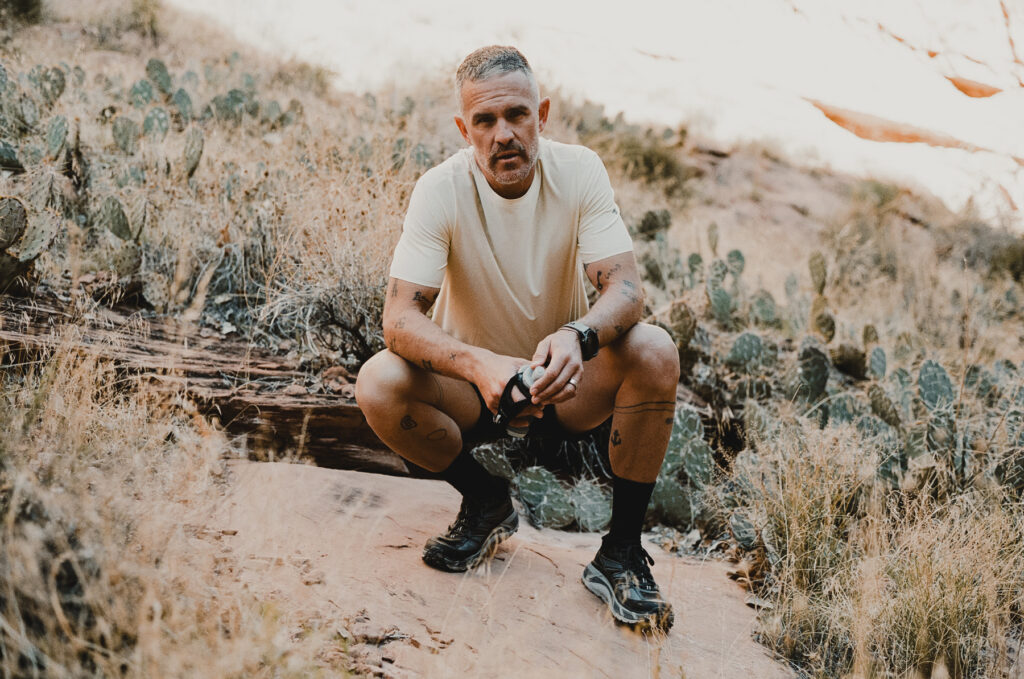
Path Projects makes running apparel. New Coordinates was a year of content for the brand, made across three shoots: Moab in spring 2024, Catalina in summer 2024 and Vancouver in fall 2024.
This is the same thinking at a longer scale. A year of content usually needs more than one shoot, because seasons, places and products change. One location in one season starts to repeat itself.
Three shoots under one name solve that. Each shoot adds a new place and a new season, and the shared idea makes the year read as one body of work.
How do you plan a shoot as a content system?
Start from the calendar and work back to the shot list. Work out which channels you need to fill and for how long, then decide what each channel needs.
In practice that means settling a few things before anyone travels:
- Write down the deliverables, with a length, a format and a channel for each. Anything added after that is a change.
- Build the shot list from the deliverables. A scene that serves three pieces gets more time than a scene that serves one.
- Plan vertical and horizontal framing on set. A wide frame cropped later rarely holds up in the feed.
- Give photography its own time in the schedule. Stills pulled from video are a fallback.
- Run interviews long enough to serve several films. One conversation with the right questions can feed the lead film and the supporting pieces.
- Make sure talent releases and usage cover every planned use, so no piece is held back after the edit.
Path Projects let us in on the strategy for New Coordinates, so each of its three shoots was planned to feed the whole channel mix: seasonal hero films, product ads, clips for social, website banners and a stills library from every location, including 35mm film from Moab.

When is one shoot not enough?
One shoot isn’t enough when the content has to cover things that can’t be filmed yet, or has to last longer than one look can carry. It’s better to say so early.
A shoot can’t cover a product that doesn’t exist yet, a season that hasn’t arrived or an event later in the year. It also has one look. Footage from the same place and the same light is recognizable, and an audience notices after a few months.
There are two common answers. One is a second or third shoot later in the year, planned under the same idea, as Path Projects did. The other is to pair the system with lighter everyday content from an in-house team, which keeps the feed current while the planned pieces carry the campaign.
At the planning stage, ask how long the content needs to last. Four months and twelve months are different briefs.
How Black Koles does it.
We design the campaign before anything is made: the big idea, the visual language, and every film, post, page and moment that carries it. Each piece gets a job, a channel and a date. The plan arrives as a creative concept, a campaign architecture, an asset map and a release calendar. The people who planned the films and photography are the people who make them, and each piece is shaped for where it shows up.
That planning is how Path Projects got a year of content from three shoots. We can hand over the roadmap or run it.
To see a whole system from one shoot, open The Sect case study: its release calendar is laid out date by date, from the run-up in August to the last member spotlight in January. Who we are and how we work, from strategy through rollout, are on the About page.