

Black Koles · Journal · No. 19 · 6 min read
How do you plan a product launch campaign for outdoor gear?
Plan an outdoor gear launch backward from the on-sale date. Decide what the product has to prove and to whom, map the assets across hype, launch and sustain, then shoot field and studio, film and stills, as one production. At Black Koles every asset gets a job, a channel and a date before the shoot, and that includes what dealers and retailers need.
What goes into a product launch campaign plan?
A product launch campaign plan answers five things: what the product has to prove, who needs to see it, what gets made, when each piece goes out and how you’ll know it worked. For outdoor gear there’s a sixth: the conditions the product has to be seen in.
In our campaign tiers, a launch is a hero product campaign. It’s product led, it runs for weeks or months inside a season, and it lines up with the brand campaign above it. It gets 180 degrees of support, which is a cut-down version of the full channel list a brand campaign uses.
The plan should fit on a few pages: the goal, the product story in a sentence, the asset map, the timeline and the measure.
Product launch timeline: working back from the on-sale date
Start at the on-sale date and work backward. These phases hold for most gear launches. How long each one runs depends on your product calendar, so there are no week counts here.
| When | What is decided | What is made |
|---|---|---|
| Line is locked | Goal, audience, proof points, budget range | The brief |
| Samples in sight | The idea, asset map, field and studio locations | Treatment, deliverables list |
| Pre-production | Dates, talent, permits, usage | Shot list, schedule, call sheets |
| The shoot | Nothing new: the plan gets shot | Film and stills, field and studio |
| Post | Cuts approved, lead film first | Finished films, photo selects |
| Sell-in | What dealers get, and when | Dealer kit, product page assets |
| Hype | Teaser dates, embargo | Teasers go out |
| On sale | Everything switches together | Launch film, site, email, PR, retail |
| Sustain | What keeps running, what gets paid support | Cutdowns, stories, reporting |
Two things move this timeline more than anything else.
The first is samples. You can’t shoot a product that doesn’t exist yet, and a sample with a wrong detail is a real risk for a studio day. Check them early.
The second is season. The product has to be filmed in the conditions it’s built for, and those are often not the conditions outside when the campaign is due. On one field campaign we planned a shoot for the less scenic river because the film needed to feel like summer, and the prettier location was already deep into fall. Permits for public land take lead time too, so the location decision can’t wait.
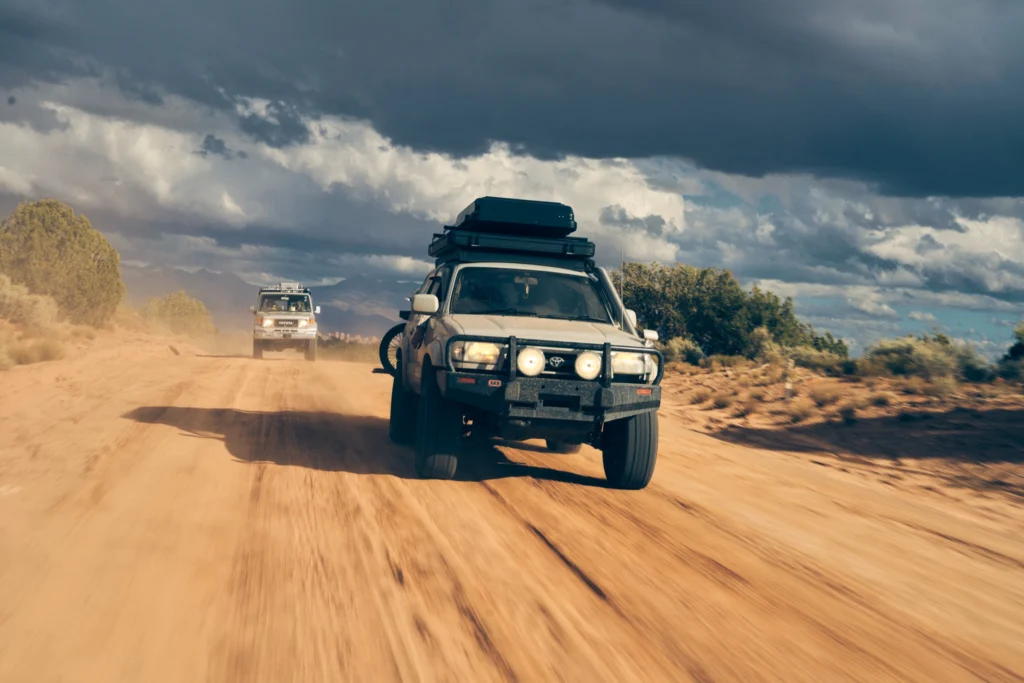
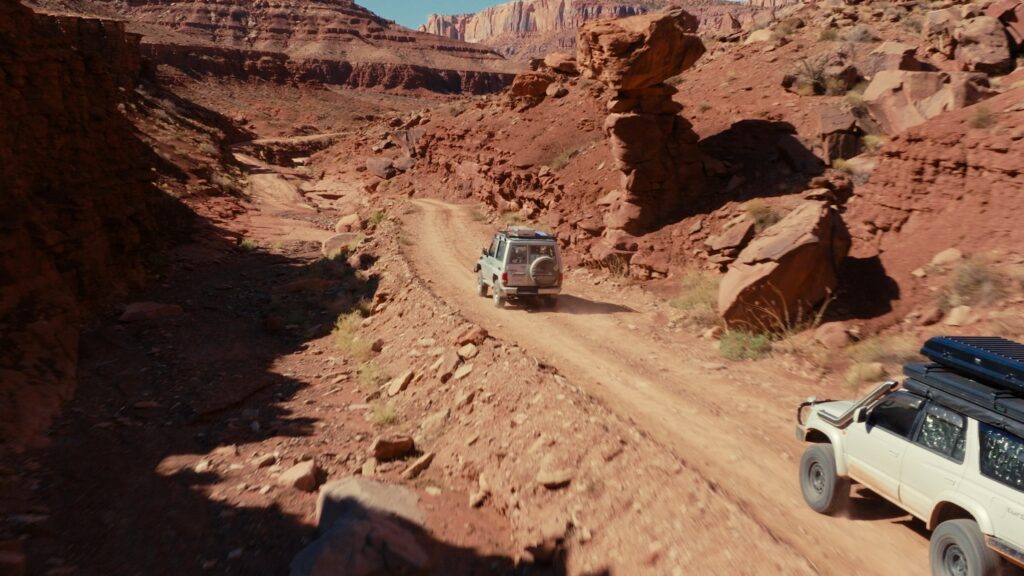
The launch film for Goal Zero’s Yeti 1500 had the same problem. The launch was in spring and the shoot was in October, in the desert outside Moab, Utah. The desert took fall colors out of the picture, so the film still reads as spring.
Hype, launch, sustain: what assets does a launch need?
Every launch runs on three phases, and every asset belongs to one of them. That’s the asset map: each piece gets a job, a channel and a date.
Launch film. The anchor. Every other asset points back to it. It lives on the landing page and on YouTube.
Teasers. The runway. Short cuts that build anticipation before the on-sale date.
Product and technology films. The proof. Short films that each show one feature working, made for the product page.
Sustain cutdowns. The legs. The cuts that keep the launch showing up after the first week, on social and in paid.
Web banner. A looping, silent cut of the launch film for the homepage and the product page, where the buying decision happens.
Photography. A full gallery of stills for web, email, retail, PR and dealers.
“The outcome? Our saltwater rod sales doubled, our dealer network grew, and our brand is now recognized as a leader in the saltwater market.”
Why shoot in the field and in the studio?
They do different jobs. The field proves the product works, and the studio shows how.
Field footage puts the product in real conditions with people who use it. Studio footage is controlled: the material, the mechanism, the detail a lens can’t catch on a hillside. Planned as one production, the two share a look and cut together.
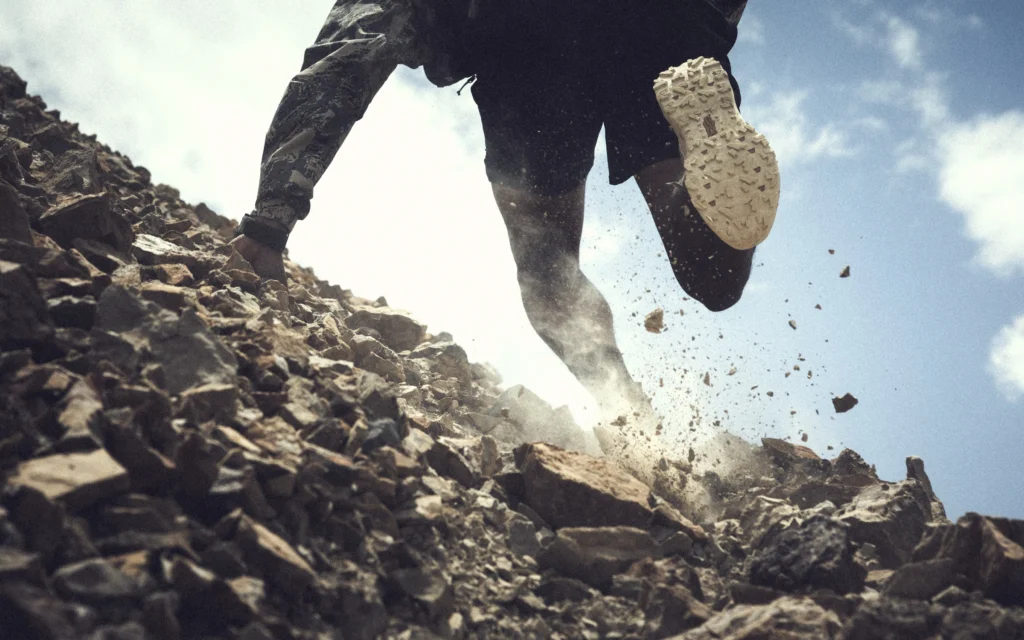
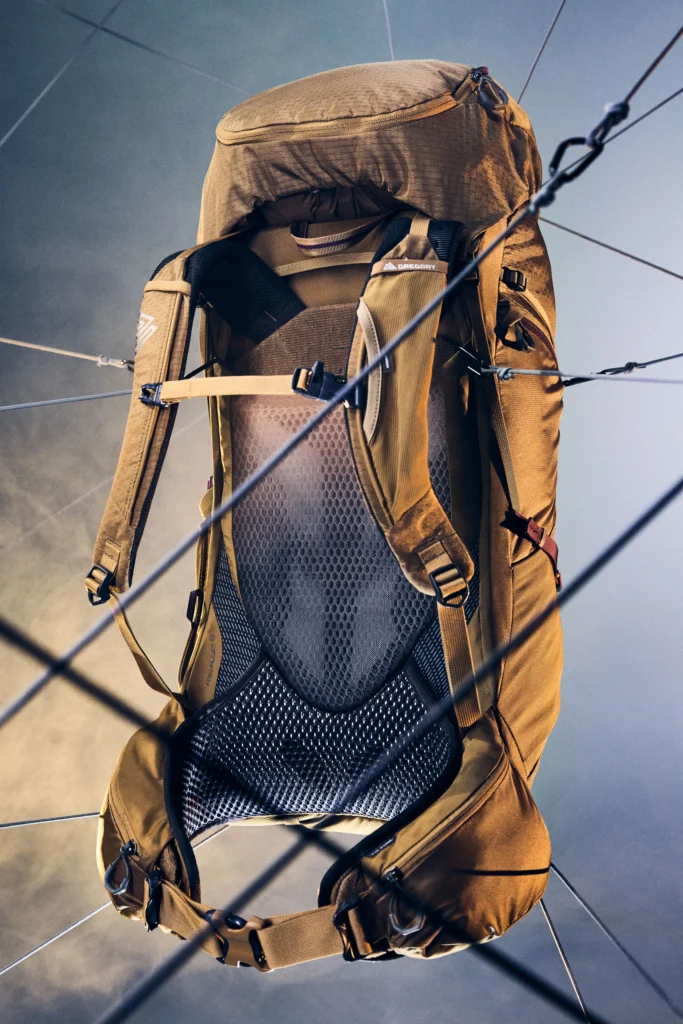
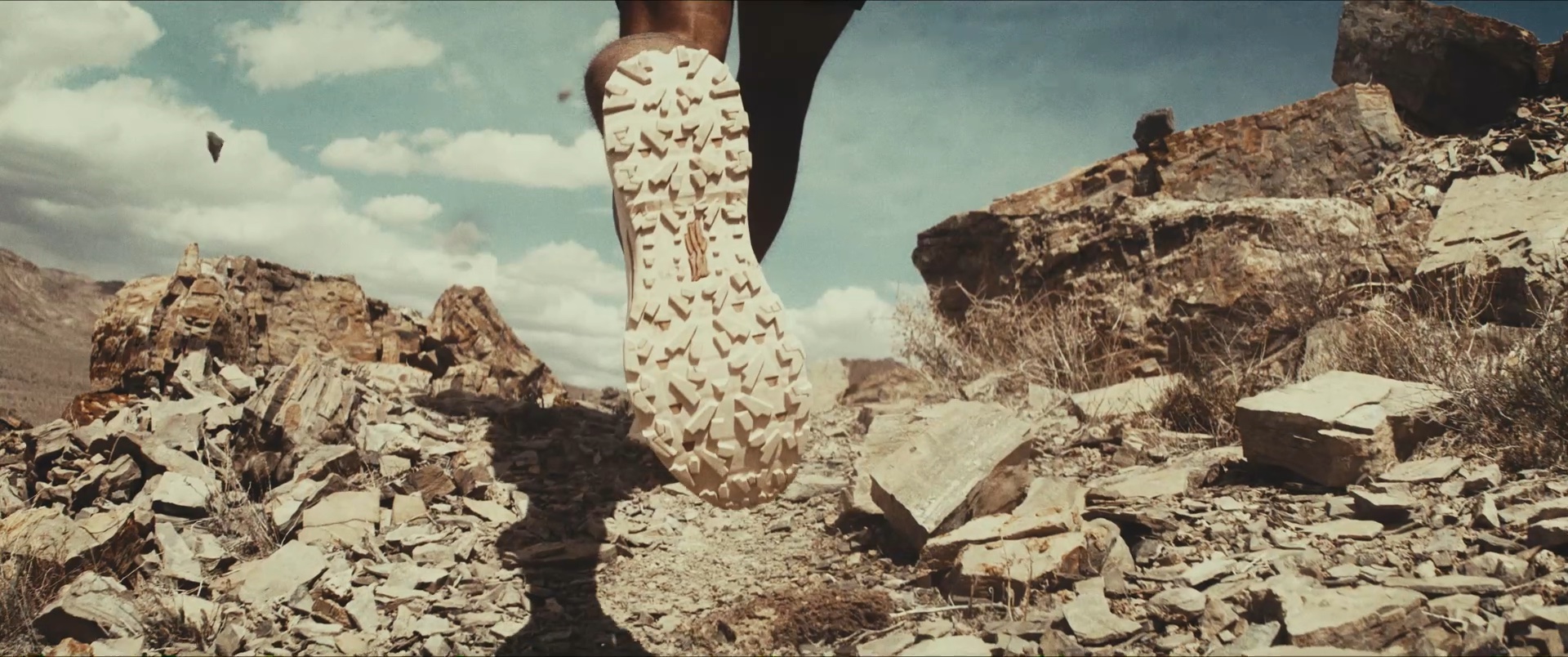
Sitka’s Ascent launch took one day in Utah’s West Desert and one on a stage in Salt Lake City, with a camera on a robot arm: the field footage tells the story, and the studio footage proves the shoe. The product films for Gregory’s FreeFloat and AirCushion technology were made the same way, in the field and in the studio.
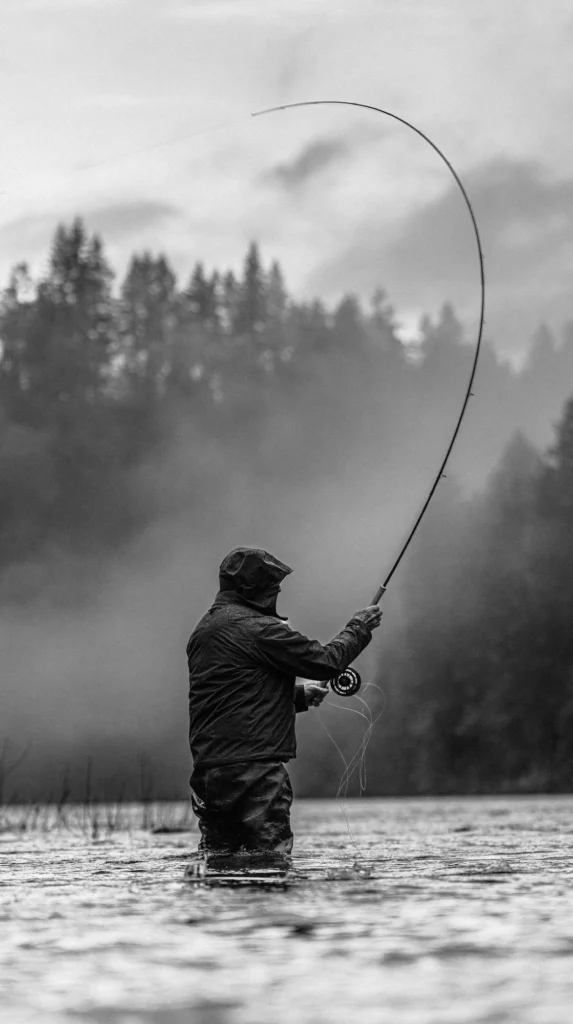
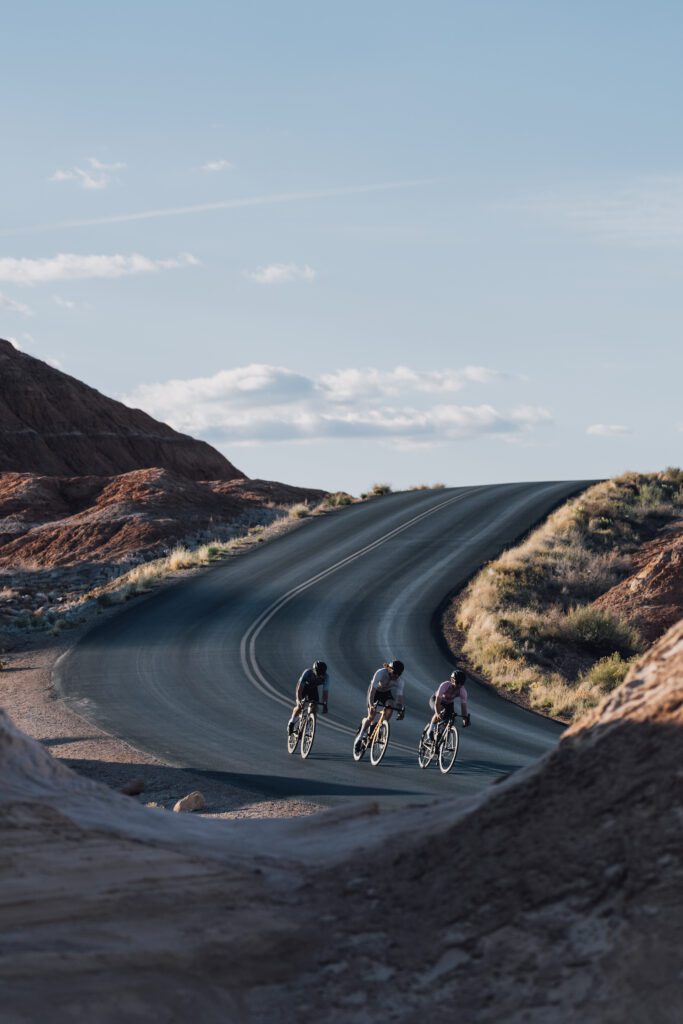
Not every launch needs the studio. Supernatural 2.0, the launch campaign for ASSOS of Switzerland’s Interstellar Capsule Collection of cycling apparel, was shot in Utah’s San Rafael Swell. The launch film for R.L. Winston Rod Co.’s Air 2 TH, a two-handed fly rod designed with a steelhead guide, was made in three days on his home river outside Portland, Oregon.
How do you get film and stills from the same shoot?
Plan both before the shoot and give each its own time. Stills pulled from video are a fallback.
- The deliverables list names every film, every length, every aspect ratio and the photo select count.
- Photography gets its own blocks in the schedule, with the same product, talent and light.
- Vertical is settled ahead of time: who captures it, and how.
- Usage covers every planned placement, retail and dealers included, so nothing is held back after the edit.
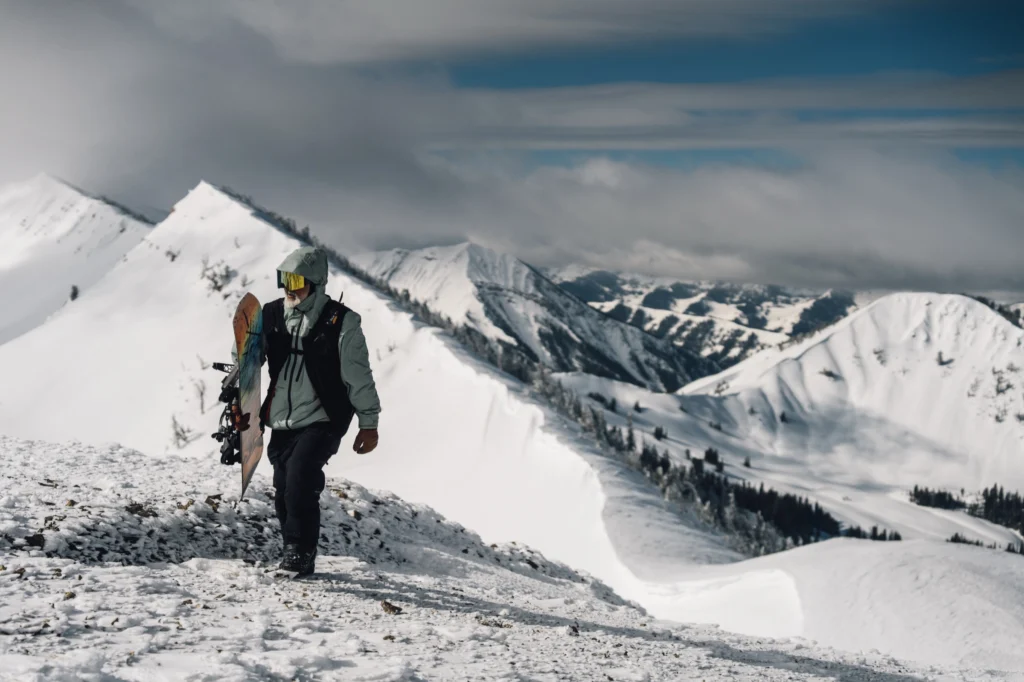
On the Goal Zero shoot, the stills and motion shot lists were written side by side, and Goal Zero launched the Yeti 1500 with our stills on the product page and our film on its YouTube channel. For the launch of Volcom’s Bryan Iguchi Collection, we filmed and photographed Bryan over three days around Jackson, Wyoming, and Volcom and GORE-TEX launched it with the film, social cuts and a page on Volcom’s site built on our footage and photos.
What do retailers and dealers need?
They need the assets before the public sees them, in the formats their shelves and sites take. A lot of outdoor gear sells through other people’s stores as well as your own. A launch that only feeds your channels leaves the shop floor on last season.
A dealer kit usually holds:
- Product photography and a short product film for their product pages.
- Point of sale pieces for the shelf.
- The selling points in a few lines, written for floor staff.
- The on-sale date, the embargo and the campaign calendar.
- An internal release for reps, partners and ambassadors.
Put the kit on the timeline as its own deadline. It lands before the on-sale date, so those assets get finished first.
What happens after launch week?
The sustain phase, and the measuring. Hold cuts back so the launch keeps showing up. Run channel stories on the product through the season, each one about a single feature, use or person.
Then measure against the goal the campaign was made for. A hero product campaign is built for consideration, so watch what shows consideration: product page visits, time spent with the films, sign-ups.
How Black Koles does it.
Black Koles is a creative agency and production company in Salt Lake City. One team does strategy, creative, production, post and rollout. On a launch, we design the campaign before anything is made: the idea, the visual language, and every film, post and page that carries it. Then the people who planned the films and photography make them, field and studio. A six-second cutdown gets the same care as the launch film.
See Sitka’s Ascent launch next. It shows a launch planned this way from the run-up to the on-sale date: field and studio in two days, teasers before launch, and a launch page Sitka built on stills from our shoot, with the GORE-TEX product film looping on the product pages. To meet us and see how we work, go to About.
We can hand over the roadmap or run it. If you have an on-sale date and no plan behind it yet, start a project.