

Black Koles · Journal · No. 06 · 6 min read
Usage rights for brand films and photography, explained
Usage rights are the permissions a brand buys to use a film or a set of photographs: in which media, in which places, for how long, and whether anyone else may use the same work. They are written into a usage license. In many commercial arrangements the photographer or production company keeps the copyright and the brand pays for the right to use the work within those limits.
This is how we explain usage to clients at Black Koles. It is general information, not legal advice. Contracts differ, and so do the rules from one country to the next. Have a lawyer read any agreement before you sign it.
What is a usage license?
A usage license is the part of a contract, or a separate document, that says what a client may do with creative work it has paid for. It applies to commercial photography, brand films, commercials and the cutdowns made from them.
Paying for a shoot and paying for the right to use what comes out of it are two things. The first covers the work of making the pictures. The second covers where those pictures may appear afterward. Some estimates show them as separate lines. Others fold usage into one fee. Either way, the license is where the permission is written down, and the estimate and the contract should agree with each other.
What does a usage license usually define?
Most licenses answer the same four questions.
- Media. Where the work may run: the brand’s website, organic social, paid social, email, broadcast or streaming TV, print, out-of-home, retail displays, packaging, trade shows.
- Territory. Where in the world it may run: one country, a region, or worldwide.
- Term. How long it may run, and the date the clock starts.
- Exclusivity. Whether the maker may license the same images or footage to anyone else, and whether competitors are ruled out.
One campaign shows how quickly these add up. Force of Nature’s It’s Just Better launched on a landing page, in a customer email and on social, then ran on streaming TV in Florida and Los Angeles from November to early January. Each of those media, places and dates is something a license has to cover.
A license may also say whether the work can be edited, cropped or re-cut, whether it can be passed to retailers, partners or press, and whether the maker may show it in a portfolio.
The words used for these terms are not standard. “Digital”, “all media”, “in perpetuity” and “buyout” can mean different things to different people. If a term matters to you, ask for it to be spelled out in plain language in the document.
Who holds the copyright?
Typically, the person or company that creates the photographs or the film holds the copyright unless the contract says otherwise. The brand receives a license to use the work.
There are other arrangements. Some contracts assign ownership of the finished work to the brand. Some describe the work as made for hire. Some give the brand the finished film and leave the raw footage and outtakes with the production company. None of these is right or wrong in general. Both sides need to know which one they have agreed to.
Owning a file is not the same as owning the rights in it. A hard drive of footage or a folder of high-resolution images does not on its own give permission to use them anywhere. The license does.
Are the people, music and places in the frame covered?
Not automatically. A license from the photographer or production company covers their work. Other rights sit inside the frame and the soundtrack, and each usually has terms of its own.
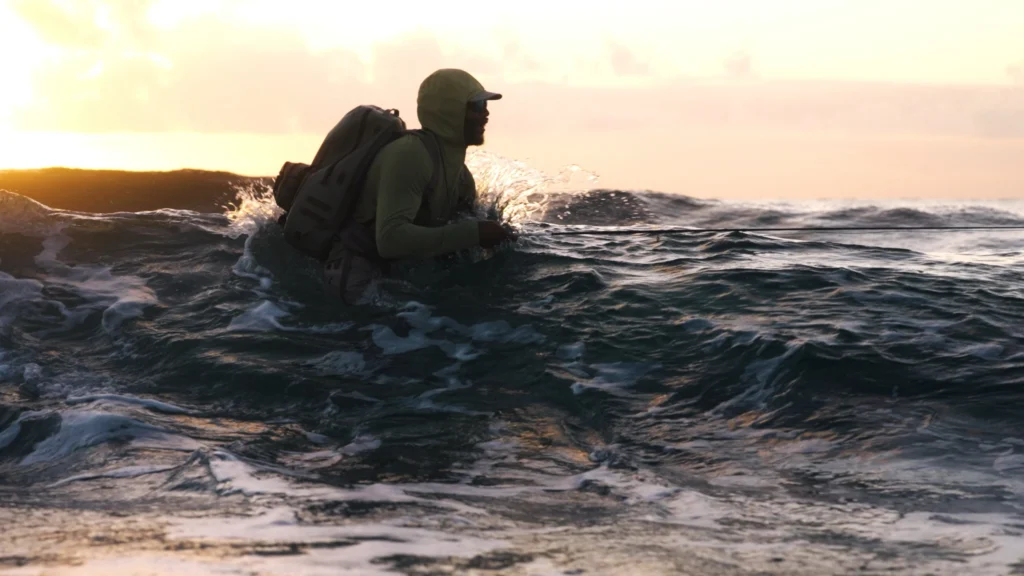
Talent and models sign releases, and paid talent agreements often carry their own media, territory and term. Music is licensed for stated uses, and a track cleared for online use may not be cleared for broadcast. Locations, artwork and other brands’ logos that appear in a shot can need permission too. In a campaign like Patagonia’s Fall 2026 fly fishing films, shot on the flats in Belize and with guides Kate and Justin Crump on the Oregon coast, every person on camera is a release to line up.
Check that all of these line up. If the film is licensed for two regions and the music for one, the smaller permission sets the limit.
Why does usage affect the price?
Usage is one of the things that drives the cost of a production, along with shoot days, crew size, locations and the list of deliverables. In general, the wider the use, the more it costs: more media, more territory, a longer term and exclusivity each add to it.
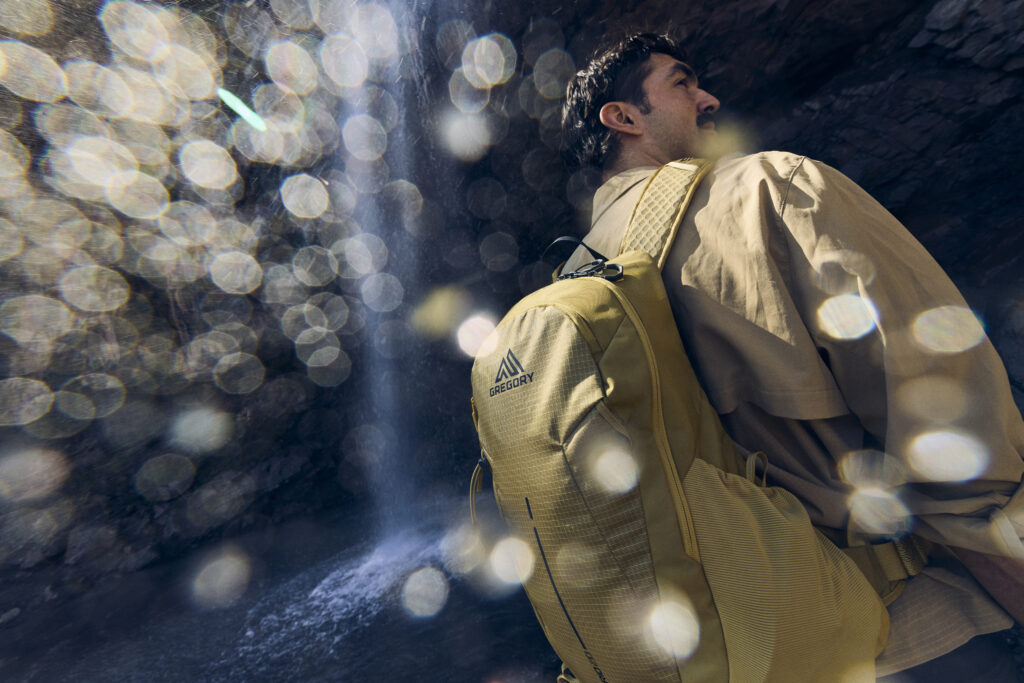
This is why we ask early where the work will run. The answer shapes casting, music choices and what gets shot, as well as the price. Planning a campaign for paid media across several countries is a different job from planning a film for one website. A global relaunch sits at the wide end. Welcome to Gregory, which we made for Gregory Packs, rolled out globally across digital and social channels, with the hero film cut down to a :30 and a :15 in vertical, 4×5, square and widescreen.
It also works in the brand’s favor to be accurate. If the plan is one season of social posts in one country, paying for worldwide use of everything, forever, is paying for rights you won’t use. Guessing low and then running the work more widely than the license allows creates a problem later.
What should you ask before signing?
- Which media, territory and term are included, and when the term starts.
- Who holds the copyright, and whether raw footage and unselected photographs are included.
- Whether the work may be re-edited, cropped or adapted, and by whom.
- Whether retailers, distributors, partners and press may use it.
- What the talent, music and location permissions cover, and whether they match the main license.
- What extending or widening the license later involves, and whether that is agreed now.
- What happens to work already published when the term ends.
Put the answers in the contract. An email thread is hard to rely on a year later, when the people who wrote it may have moved on.
When a license expires, the permission to keep running the work ends with it unless it is renewed. In practice that means someone has to know the date. Keep a simple record for each project: what was licensed, for which media and territory, until when, and who to contact about renewal.
Ask how the contract treats old posts and archived pages. Some licenses allow existing organic posts to stay up after the term. Others don’t. It’s easier to settle that now than when someone finds an old post.
How Black Koles does it.
Black Koles is a creative agency and production company in Salt Lake City, Utah. We make films for Patagonia, and films and photography for brands such as Force of Nature and Gregory. We design the campaign before anything is made, and each piece gets a job, a channel and a date. That is the same information a usage conversation needs.
To see that in one campaign, start with It’s Just Better for Force of Nature. It produced a 60-second film, a :30, four :15s and a library of stills, and the case study shows each piece and where it ran. Usage is one of the things that drives cost, so a quote follows a first conversation. For how we work, from strategy through delivery, see About.