

A brand film costs what its scope costs: the shoot days, the crew, the locations, the talent, the deliverables, the post-production, the music and the usage rights. At Black Koles we don’t publish price ranges, because a range wide enough to cover every brand film is too wide to plan a budget with. Below is what drives the number, and how to brief a production company so the quote you get back is one you can use.
What drives the cost of a brand film?
Scope drives it, and length is a poor guide to scope. Two films with the same running time can sit far apart in cost, because one was shot in a single day in a studio and the other over many days in the mountains with a cast. The number is built from eight things:
- Shoot days: how many days the camera is rolling.
- Crew size: how many people each day needs.
- Locations and travel: where the film is shot and what it takes to get there.
- Talent: who appears on screen.
- Deliverables and cutdowns: how many finished pieces come out of the edit.
- Post-production: edit, color, sound, motion graphics and anything built after the shoot.
- Music: library, licensed or scored.
- Usage: where the work runs and for how long.
A quote is those lines added up, so a change to any one of them changes the total.
How do shoot days and crew size change the cost?
Shoot days are often the biggest single factor. Each day carries crew, equipment, locations, transport and food, so adding a day adds all of them at once.
The number of days comes from the script. It depends on how many scenes there are, how many locations, how far apart they sit, and how much daylight each one needs. A film written for one location can usually be shot faster than a film written for several.
Crew size follows the idea. A documentary about one person can be made by a very small crew. A commercial with lighting, art direction, wardrobe and a cast needs departments, and each department is people and days. The right crew is the smallest one that can make the film as written.
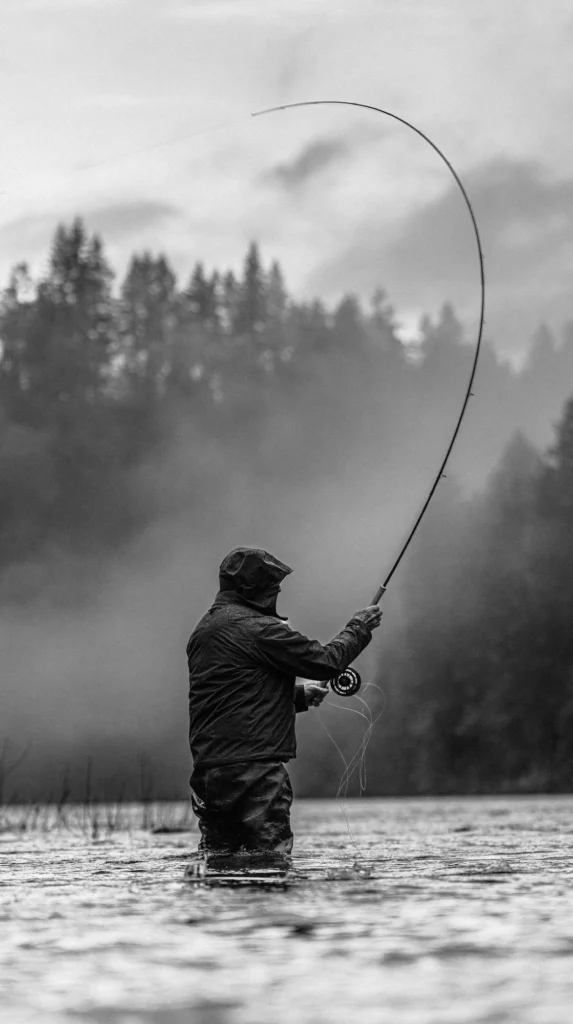
The Winston Air 2 TH launch stayed on one river outside Portland, Oregon for three days, and those days gave Winston a hero film, a 12-minute interview on how the rod was designed and a set of social cuts.
What do locations, travel and talent add?
Locations can carry fees, permits and scouting time. A remote location adds travel days, lodging and vehicles, and travel days are paid days for the crew. Outdoor shoots depend on weather, so a sensible plan includes time in reserve.
Talent covers a wide span. A film can feature real customers or employees, athletes and ambassadors the brand already works with, or hired actors and models. Hired talent is paid for the days on set and for the use of their image, which ties this line to usage.
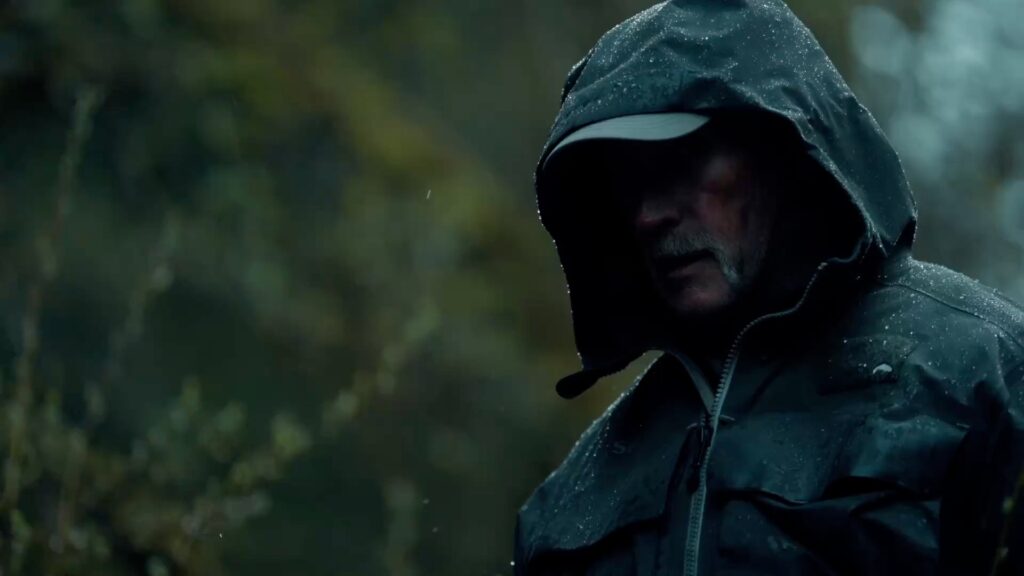
On the Winston launch, the talent and the location came as one: the river was the home water of Brian Silvey, the Oregon steelhead guide who worked with Winston on the rod’s design.
If you already have locations or people in mind, say so in the brief. It takes the guesswork out of two lines of the quote.
“They feel like an extension of our internal team. Our social media is more engaging and performant, and our content is more inspiring and heartfelt.”
How do deliverables, cutdowns and post-production change the cost?
One film is rarely the whole order. Most campaigns need a hero film, shorter cuts, vertical versions for social and a set of stills. Each deliverable takes edit time, color, sound and review.
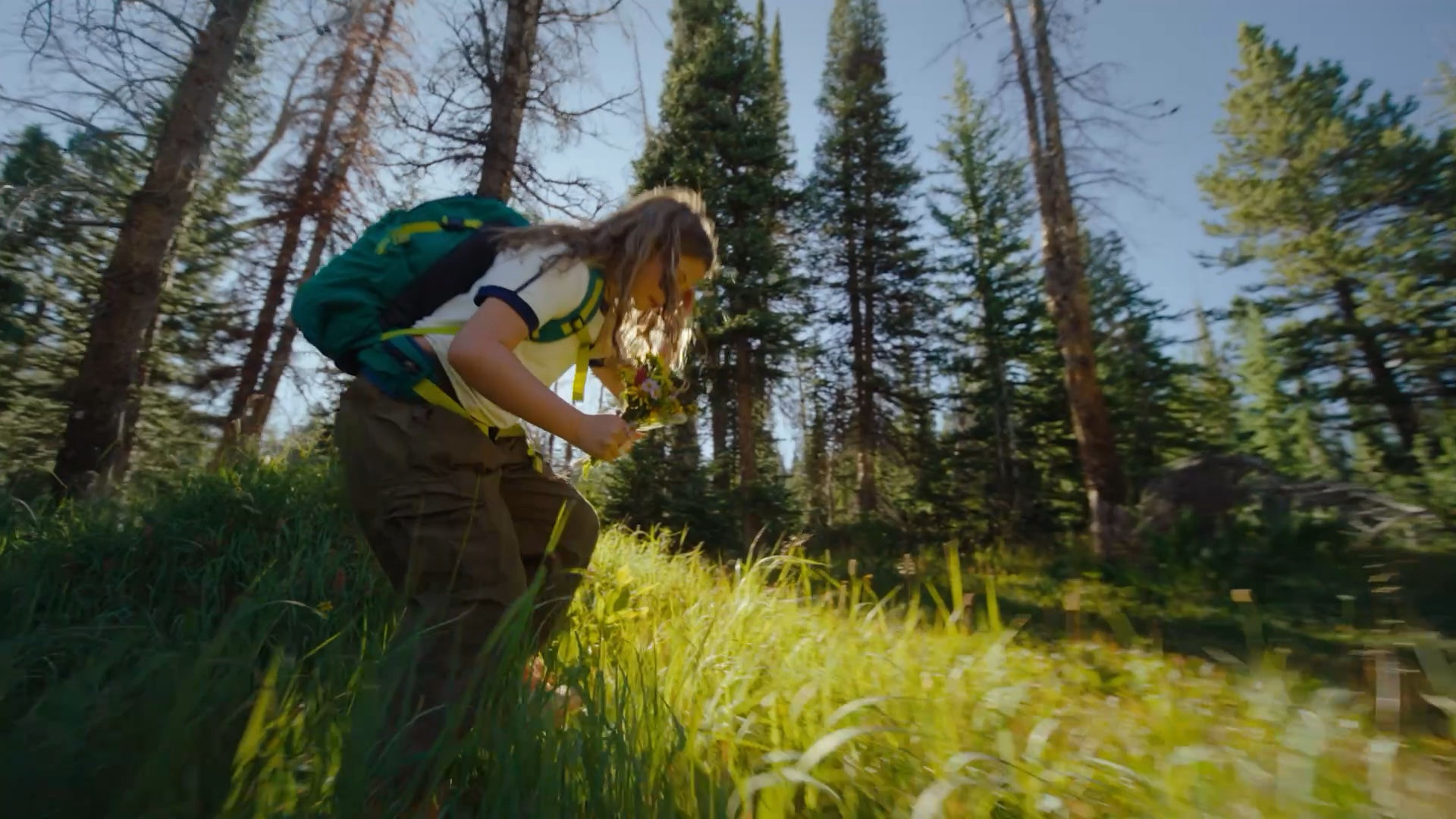
Cutdowns cost little when they’re planned before the shoot. They cost more when they’re requested afterward, because a vertical frame or a shorter story has to be shot for. List the deliverables in the brief by length, aspect ratio and channel. On Force of Nature’s It’s Just Better, the treatment followed four customer types through one day, and each storyline got its own :15 in every social ratio.
Post-production covers the edit, color and sound mix on every film. Motion graphics, animation and visual effects add time. So do rounds of revisions. Agree how many review rounds are included, and who on your side gives the final approval.
How do music and usage change the cost?
Music and usage are the two lines people forget, and both are priced by where the film runs and for how long.
Music comes three ways: a library track, a licensed commercial song or an original score. Each is priced differently. A well-known song can be a large line once the license covers paid media and a long term.
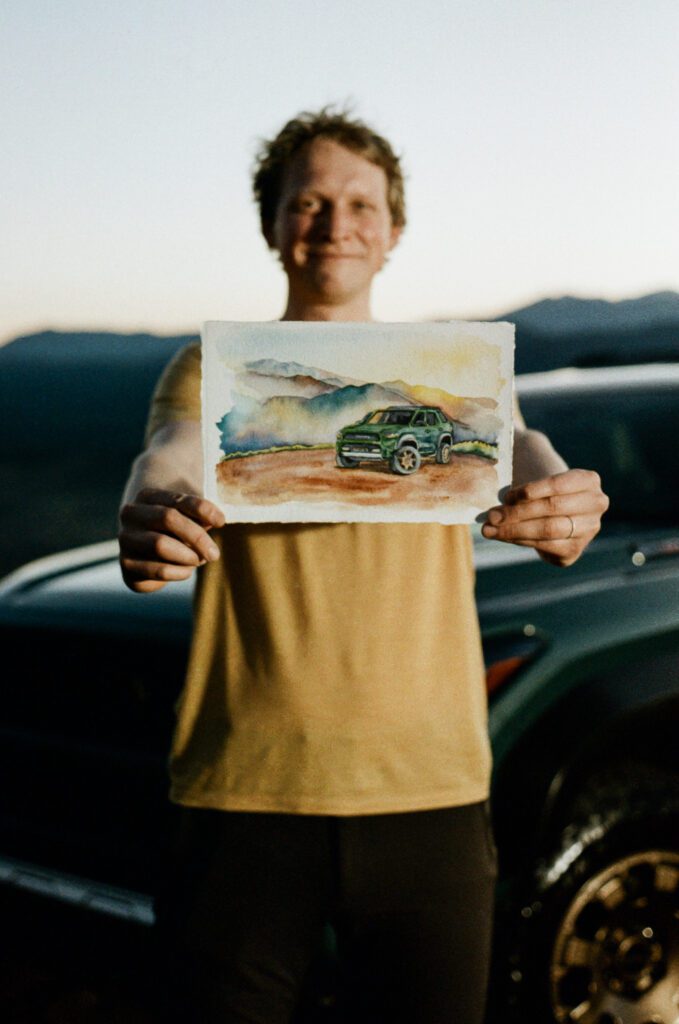
Usage means where the work will appear, for how long and in which territories. A film for the brand’s own channels is a different job on paper from the same film running as a paid TV ad. The 2025 Toyota 4Runner launch, made with Outside, needed both from one shoot: a character film about watercolor artist Max Romey and a 30-second cut made for TV. Usage affects talent fees, music licenses and sometimes photography licensing.
State the usage at the start. Adding it later means going back to talent and rights holders to renegotiate, which is slower and costs more than getting it right in the first quote.
How do you brief a production company for a quote?
Send what you know and say what isn’t decided yet. A quote can only be as accurate as the brief behind it. A useful brief covers:
- What the film needs to do and who it is for.
- Where it will run and for how long.
- The deliverables: lengths, formats and stills.
- The dates: the launch date and any fixed shoot windows.
- What exists already: a script, a concept, talent, locations, or none of these.
- A budget or a budget band, if you have one.
Share the budget if you can. It lets the production company scope the idea to it instead of guessing. You get back a proposal for what that money can do, which is more useful than a number you have to react to.
If you’re comparing quotes, send every company the same brief and ask each one what is excluded. Two quotes that look far apart often differ in what they leave out: music, usage, travel or the number of cutdowns.
How Black Koles does it.
Black Koles is a creative agency and production company in Salt Lake City, Utah. We don’t publish prices. A quote follows a first conversation and is built from the lines above. We build the crew around each job, from a two-person documentary crew to a full commercial production, and we design the campaign before anything is made, so every deliverable is in the plan before the shoot.
To see what those lines add up to, open It’s Just Better: three days of shooting gave Force of Nature a 60-second film, a :30, four :15s and a library of stills, all on one page. Who we are and how we work, from strategy through rollout, are on the About page. To start a quote, write to info@blackkoles.com or use the contact page. Sean is on the first call.