

Black Koles · Journal · No. 05 · 5 min read
What is a branded documentary, and how does it get seen?
A branded documentary is a non-fiction film that a brand commissions and puts its name to, about a real person, place or issue instead of a product. It is made like a documentary and released like one: on the brand’s own channels, at festivals, through a film arm such as Patagonia Films, and in shorter cuts for social. The brand pays for the film, and the story belongs to someone else.
What is a branded documentary?
A branded documentary is a true story, told at documentary pace, that a company pays for. The subject is usually someone the brand has a real connection to: an athlete, a guide, a rancher, a maker, a river and the people who look after it.
The brand shows up lightly. Often it is a name in the opening and closing titles, the gear people in the film already use, and a set of values the story happens to share. The film doesn’t ask the viewer to buy anything.
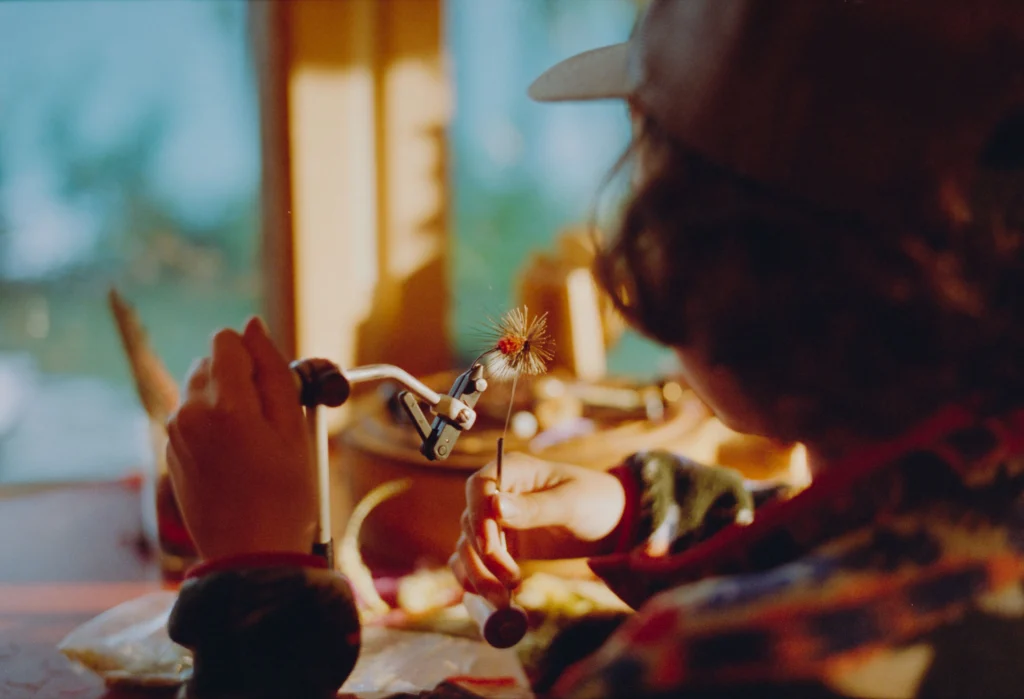
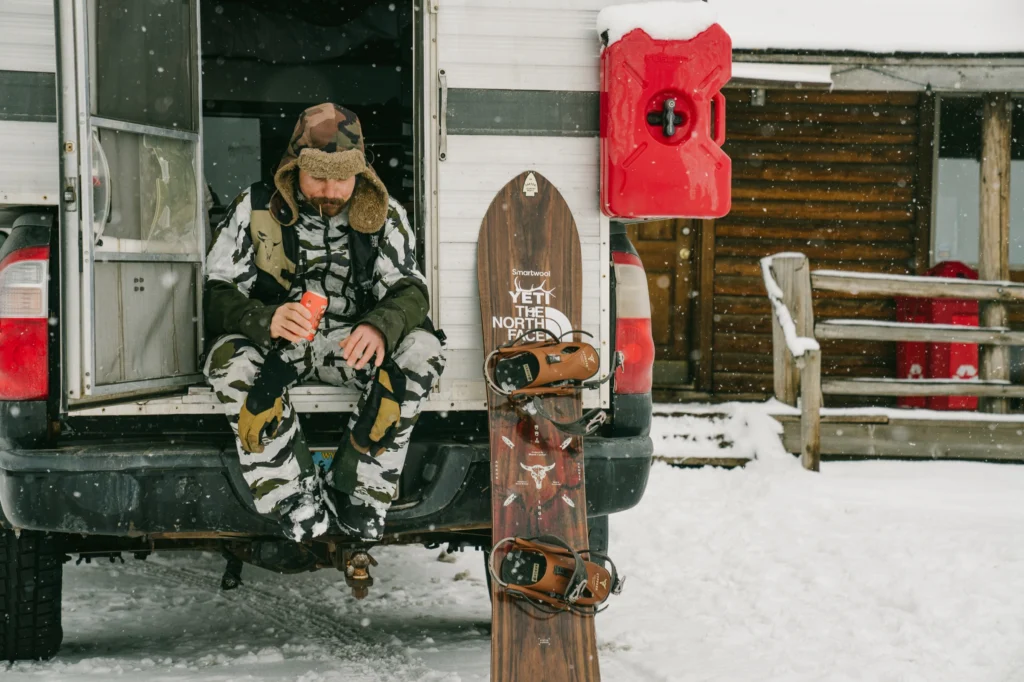
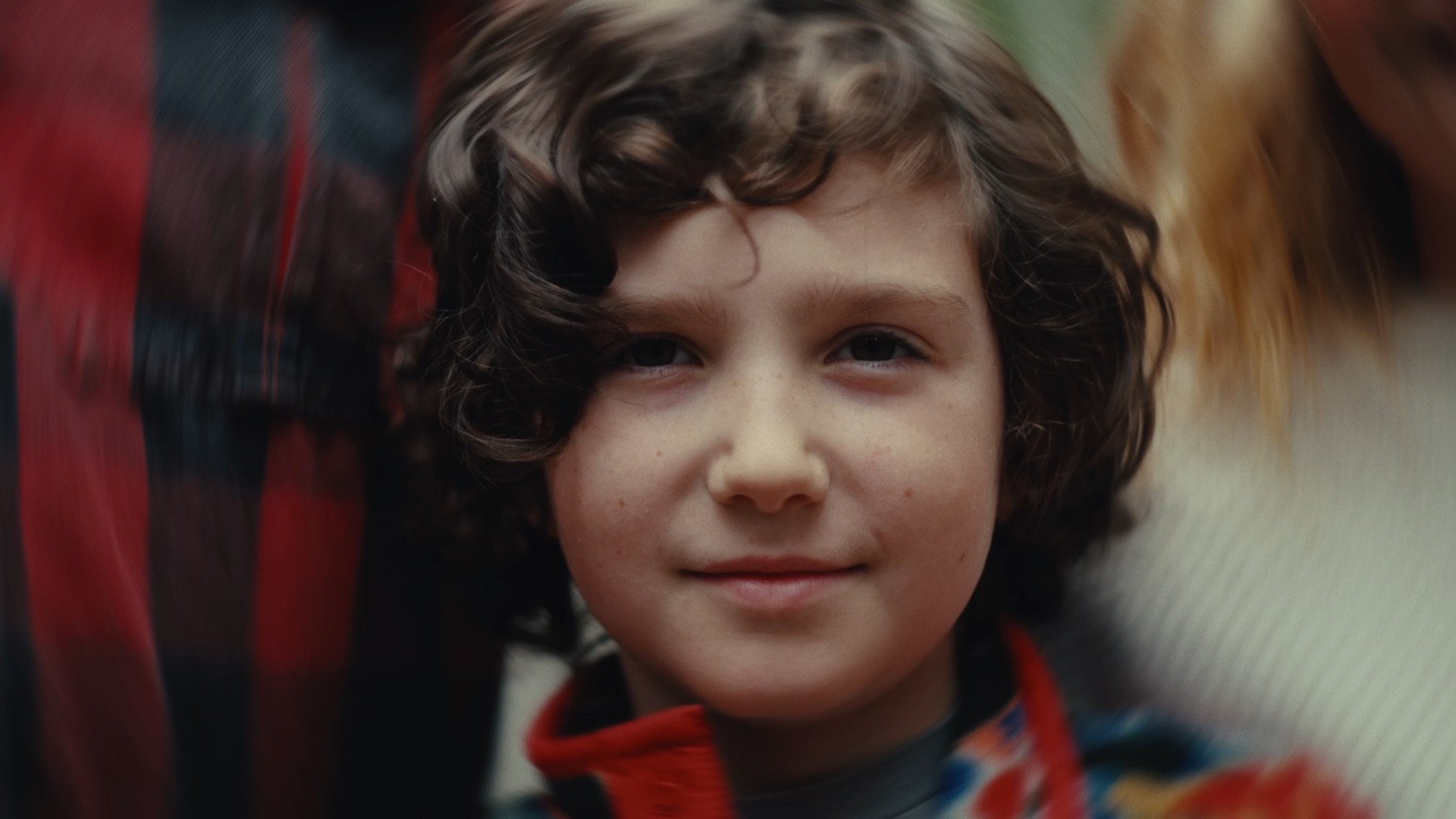
Most branded documentaries are short films. Oly’s Dean, our film about a boy and his family’s fishing lodge, made for Patagonia Films, runs about 20 minutes. TOM, our first film for Patagonia Films, runs about 15. Range Finder, our film on pro snowboarders Mark Carter and Bryan Iguchi, runs 33. Series and feature-length pieces exist too.
How is it different from a commercial or a brand film?
The difference is who the story belongs to. The three get confused because the same crews often make all of them.
- A commercial sells. It runs in paid media, in fixed lengths such as :30 and :15, and the product is the point.
- A brand film says who the company is. It is usually a few minutes long, lives on the website and in campaigns, and speaks in the brand’s voice.
- A branded documentary tells someone else’s story. It follows real events, the ending isn’t scripted, and the brand stays in the background.
In practice it comes down to control. In a commercial, the brand approves a script and every frame is measured against it. In a documentary, nobody knows the ending on the first day. The brand agrees to a subject, a point of view and a set of boundaries, then trusts the filmmakers with the rest. If that’s more uncertainty than a brand can live with, a brand film is the better choice.
Why do brands make branded documentaries?
Brands make them because people choose to watch a documentary. That changes what a brand can say and how long it gets to say it.
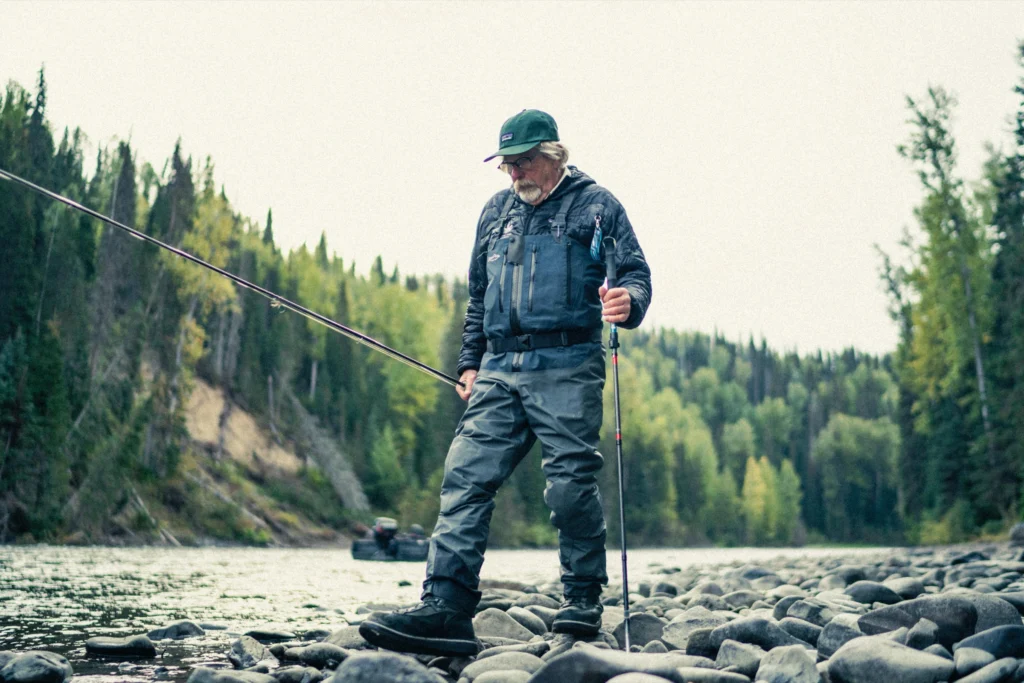
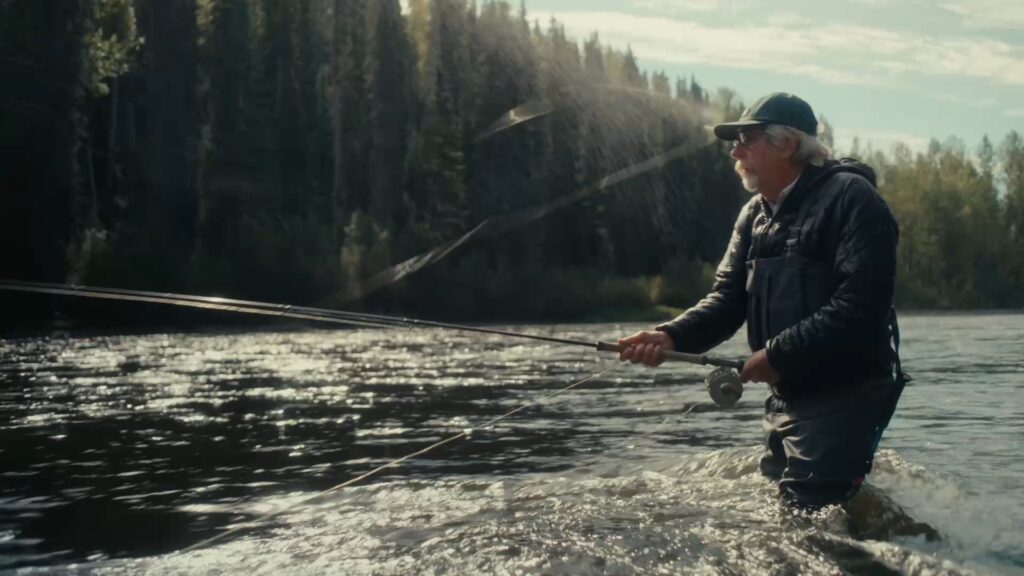
A documentary also lets a brand stand next to something it cares about without talking about itself. A fly fishing company can make a film about a river. A food company can make a film about the ranchers who raise its product. The film is about the river or the ranch, and the brand is the one that got it made. TOM, our film for Patagonia Films and the Native Fish Society, follows Tom Derry, a lifelong angler and wild fish advocate, on British Columbia’s Babine River.
It works when the brand has a real stake in the subject. It fails when the product is pushed into scenes where it doesn’t belong, because viewers notice.
“We’ve found a collaborative creative partner who understands campaigns holistically and can shepherd a project seamlessly through from ideation to execution. Black Koles sets a bar for creative that’s simply hard to beat.”
How does a branded documentary get seen?
Most films use several routes together, and the routes should be planned before the shoot. Too often distribution gets left until the edit is finished.
The brand’s own channels. YouTube, the website, email, retail screens and events. This is the base for nearly every film. The film stays up, and people can find it long after the launch.
Festivals. Film festivals, including mountain and outdoor film festivals, program short documentaries, and some accept brand-funded work. Programmers decide what gets in, so selection is never guaranteed. Festivals have submission windows, and some have rules about whether a film may already be public, so a festival plan affects when the film can go online. Oly’s Dean was a finalist at the 2026 Banff Mountain Film and Book Festival and was selected for the International Film Competition at Kendal Mountain Festival 2026.
A film arm. Some brands run a film label of their own. Patagonia Films is the clearest example. A film released through a label like that reaches an audience that already comes to it for documentaries, and it sits beside other films instead of product pages.
Screenings and tours. A premiere with the people in the film, or a run of screenings in shops, theaters and community spaces, gives the film a moment and gives the brand a reason to gather people. Range Finder premiered in 2021 with a tour.
Cutdowns. A trailer, short scenes, a few lines of interview and a set of stills, shaped for social feeds and paid placements. These come from the same shoot. They work alone, and they send people to the full film.
Does it have to be one long film?
No. A documentary series can do the same job in episodes, and it gives a brand a release schedule in place of a single date.
Simple. Not Easy. is a documentary series we made for Protekt on the routines of three athletes: Mark Healey, Geoff Rowley and Kimi Werner. Mission in Motion is our film series for Force of Nature on the ranchers and partners behind regenerative agriculture. In both, each film stands alone and the series tells a bigger story than any one episode.
What should a brand decide before commissioning one?
A few decisions are easier to make at the start than in the edit.
- The subject, and whether the filmmakers have real access to it.
- What the film is for: awareness, a cause, a community, a launch.
- How approvals work, and who has the final say on the cut.
- Where it premieres, and whether festivals are part of the plan.
- Which cutdowns and stills are needed, and for which channels.
Cost follows from these answers. The main drivers are shoot days, crew size, locations, the list of deliverables and usage. A film that follows one person through a season costs differently from one shot in a week, so a quote follows a first conversation.
How Black Koles does it.
Black Koles is a creative agency and production company in Salt Lake City, Utah, founded in 2019. We made Oly’s Dean and TOM for Patagonia Films, both on rivers in British Columbia.
We build the crew around each job, and on a documentary that means people who know the world on screen. I was a fly-fishing guide for ten years before I read a client brief. We plan the release before we shoot, so each cut has a job, a channel and a date.
If you watch one of ours, start with Oly’s Dean. We went in with a thesis and a loose arc and let a nine-year-old lead, and the case study shows how two weeks on the Dean River became a film Banff named a finalist and Kendal picked for its International Film Competition. For who we are and how we work, see About.