

Black Koles · Journal · No. 23 · 5 min read
What is a director’s treatment, and how do you read one?
A director’s treatment is the document a director writes before a shoot to show how the film will look, sound and move. It turns a brief into one idea, a few beats and a set of rules for the camera. At Black Koles I write them for the films I direct. Read it for the idea first, the rules second and the reference images last.
What is a director’s treatment?
A director’s treatment is a written and visual plan for a film: the idea, the beats, the look, the sound, and how it gets made. It comes after the brief and before the shot list. The brief states the problem. The treatment is the answer, on paper, while changing it is still cheap.
It is also a promise. What’s on the page is what we’re going out to shoot. If something in it worries you, that’s the moment to say so.
A treatment and a pitch deck are different documents. A pitch deck argues for the idea and the team. A treatment assumes the idea and shows you the film. Sometimes one document does both jobs.
What does a director’s treatment look like?
Mine run in roughly the same order. A short one is a handful of pages. A long one adds a storyboard and a production plan.
| Page | What it is doing | What to look for |
|---|---|---|
| The idea | One sentence, then three beats | You can repeat it |
| Two modes | Splits the film in two | Camera and sound for each |
| How the film moves | The arc, beat by beat | Where the product lands |
| Look and feel | Camera, texture, color | Written as rules |
| Sound and voices | Who speaks, what we hear | Voiceover or none |
| References | Boards and north stars | A reason beside each |
| Storyboard | Each sequence, shot by shot | Purpose comes first |
| Plan and deliverables | Dates, places, crew, cuts | What is still open |
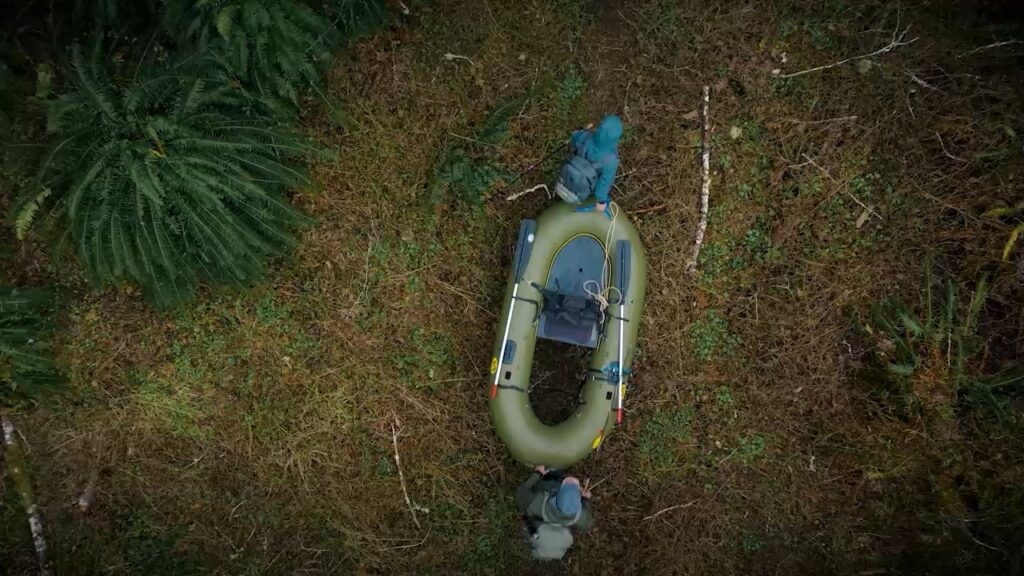
The second page is the one I lean on most. A lot of my films split into two modes. One is controlled, where the product gets precise attention. The other is loose, where people and weather take over. Each mode gets its own camera and its own sound. Locked off for context, pacing and control. Handheld when it’s human. Patagonia’s Swiftcurrent and Guidewater films work that way: the field shows the gear at work, and the studio shows how it’s built.
What should you look for in a director’s treatment?
Six things. If they’re on the page, the film is in good shape.
A one-sentence idea. The idea fits in one sentence, and the sentence holds a tension: two things pulling against each other. If it takes a paragraph, it isn’t there yet.
The beats. Three of them, numbered, one line each. A start, a turn, a landing. You should be able to tell the film to a colleague from the beats alone.
How the camera behaves. Camera written as behavior. Locked and center-cut. Slow pushes and pulls. Observational, handheld, truthful. A treatment that lists equipment and skips behavior hasn’t decided anything.
Sound, written in early. Sound belongs near the front, as a list of nouns. A zipper. Boots on gravel. Breath. River. The page should also say who speaks. On product and campaign films I usually leave the narrator out and let picture and sound carry it. In a documentary, the people in it do the talking.
One rule. One rule that holds the whole film together, stated as a rule. It might be what makes a cut, or how one shot hands off to the next. The rule is why a six-second version and a ninety-second version feel like the same film.
Honesty about what is undecided. A labeled TBD is a good sign. Dates that depend on weather. A product not yet chosen. An interview approach we’ll choose in post. A treatment that claims to know everything is scripted too tight for real conditions.
“We’ve found a collaborative creative partner who understands campaigns holistically and can shepherd a project seamlessly through from ideation to execution. Black Koles sets a bar for creative that’s simply hard to beat.”
How is a documentary treatment different from a commercial one?
A commercial treatment is modular. A documentary treatment is prose.
Commercial and product work lives in columns, cards and numbered beats, with very few full paragraphs. A documentary treatment opens on a logline, then tells the story in the present tense, then lays out the arc, the approach to interviews, the look, the archive, the color and the sound. Themes and audience come at the end.
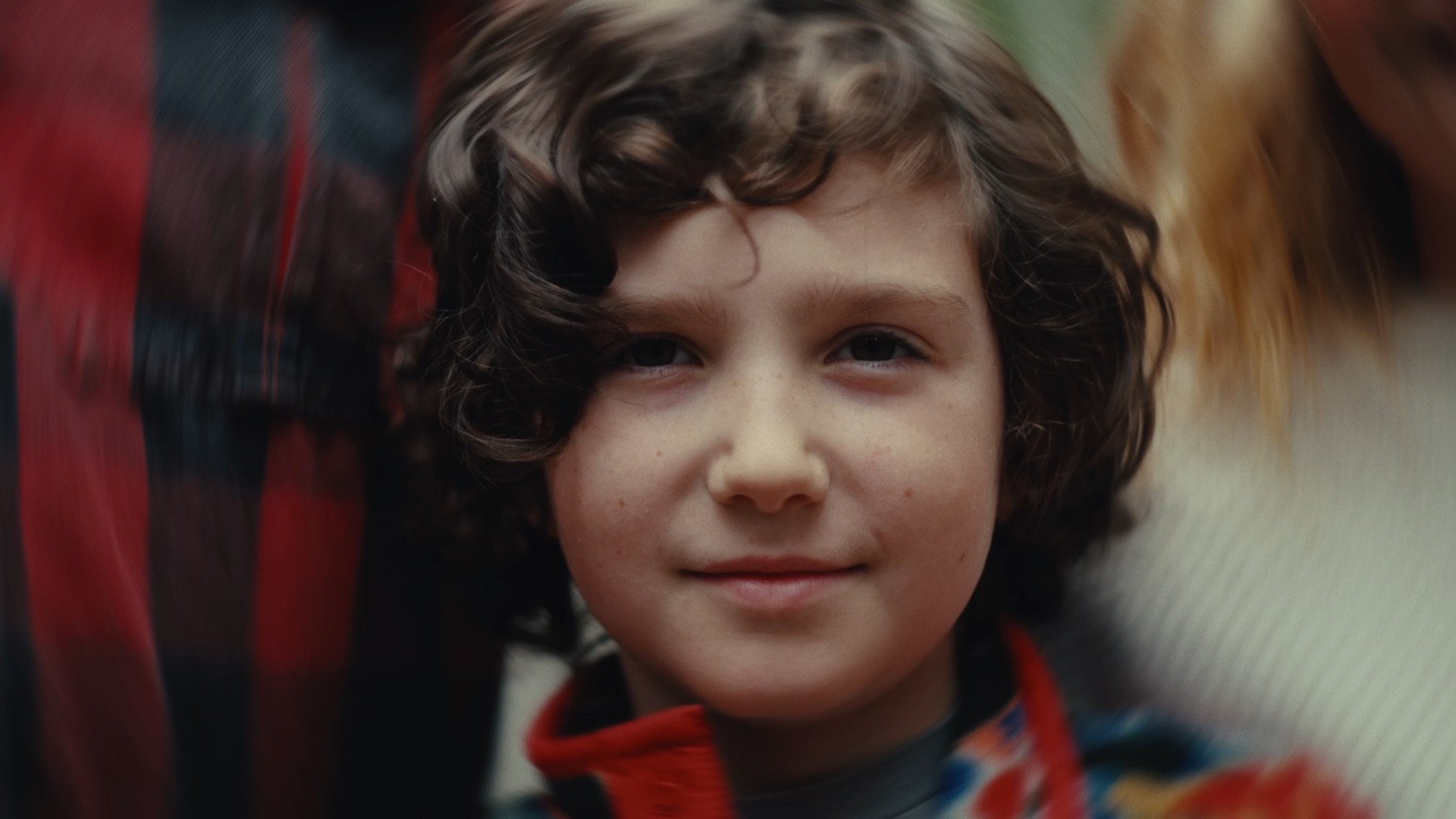
Oly’s Dean is the example I’d point to: our documentary for Patagonia Films about nine-year-old Oly Hickman and a summer at his family’s fishing lodge on British Columbia’s Dean River. You can’t storyboard a nine-year-old on a river. So a treatment for a film like that sets objectives, not scripts. It says what we’re listening for and how we’ll be ready when it happens.
What do the storyboard and the references tell you?
The storyboard tells you why each sequence exists. The references tell you what we’re taking from someone else’s work, and nothing more.
Each sequence in my storyboards gets the same fields: purpose, location, time, talent, action, product behavior, camera, lighting notes. Purpose comes first. A sequence says why it’s in the film before it says where it’s shot. Product behavior gets its own field, because the product is directed like a character. In Goal Zero’s Yeti 1500 launch film, the power station rides strapped down in the back of the truck, because Goal Zero tested it for rough roads. Then a shot list, written as what the camera sees.
References work the same way. Each one is a link beside the technique it supports, with a note on what to take from it. One or two north stars cover the whole piece. Read the note before the clip. A reference is there for one thing, like the pacing, the light or the way people talk.

How do you give feedback on a director’s treatment?
Give feedback on the idea and the rules first, in writing, from one voice.
- Hold it against the brief. The one-sentence idea should answer the problem you wrote down.
- React to the beats before the images. Images change. Beats are the film.
- Mark the must-haves it misses: a product, a claim, a person, a legal line.
- Answer the open items. Every TBD pointed at you is a decision we’re waiting on.
- Send one consolidated set of notes through one person. Conflicting notes cost days later.
Say what feels wrong and why. Leave the fix to the director. Once the treatment is signed off, it becomes the plan, and changes after that move dates and money.
How Black Koles does it.
Black Koles is a creative agency and production company in Salt Lake City. I lead creative, which means I write the treatment and then direct what’s in it. One team carries the idea from first treatment to final color. There’s more on who we are and how we work. We make the films in real conditions with real people, from product work to documentaries. If you watch one next, make it TOM, our documentary for Patagonia Films and the Native Fish Society. It hears from the people who know Tom Derry as well as from Tom himself, the kind of film a treatment plans for and can’t script. It won Best Conservation Film at The Drake Magazine’s 2023 Fly Fishing Video Awards. When you have a brief, start a project.