

It depends on the contract, and the common default is that the brand doesn’t. In many production agreements the brand owns or licenses the finished films and photographs, and the raw footage and editing project files stay with the production company unless the estimate says otherwise. That’s the default at Black Koles too. If you want the raw footage, ask before you sign, so it’s scoped and priced.
This article is general information, not legal advice. Contracts and laws vary. Have a lawyer read any agreement before you sign it.
What is the difference between finals, raw footage and project files?
They’re three different things, and a contract can treat each one differently.
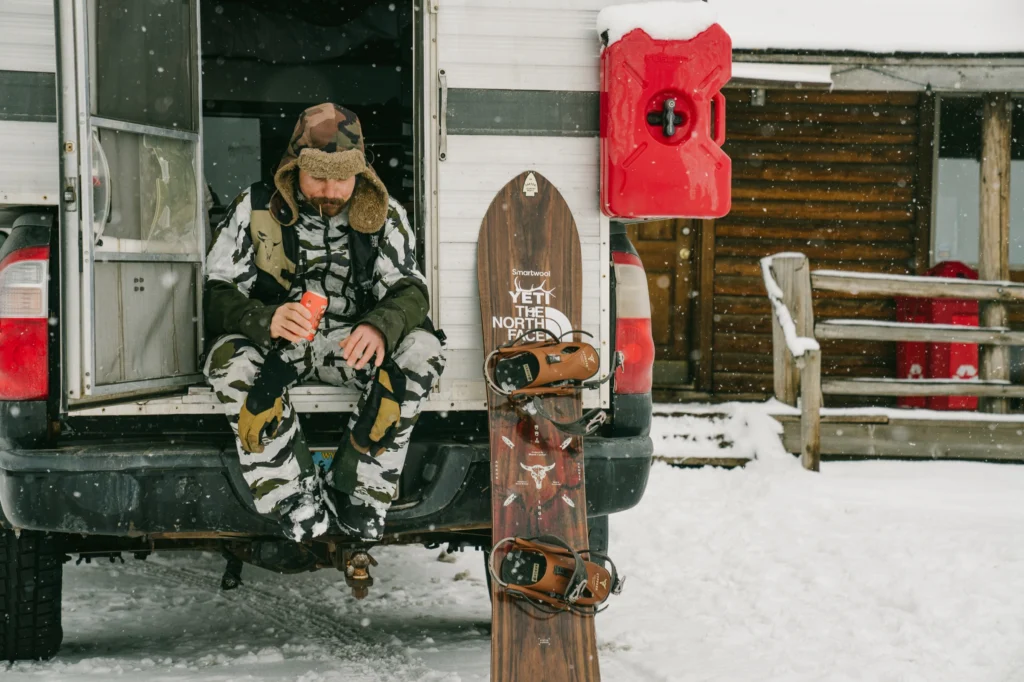
Finals. The approved, finished deliverables: each film at each length and aspect ratio, and the selected, finished photographs. This is what the estimate lists and what you’re paying for. On Force of Nature’s It’s Just Better, the finals were a 60-second film, a :30, four :15s and a library of stills.
Raw footage. Everything the cameras recorded, unedited: every take, the sound recordings, the photographs nobody selected.
Project files. The working files of the editor and the motion designer: the timeline, the graphics builds, the color and sound sessions. They’re how the finals were made.
| Material | What it is | Common default |
|---|---|---|
| Finals | Approved films and photographs | Yours, often on full payment |
| Raw footage | Everything recorded, unedited | Often stays with the maker |
| Project files | Editing and graphics working files | Often stays with the maker |
Who owns the raw footage by default?
Usually the company that shot it. As a general rule, whoever creates the footage holds the copyright in it unless a contract says otherwise, and many production contracts transfer the finals and nothing else.
Our own terms work this way. The client owns the final approved deliverables, along with the treatments and shot lists made for the job, once the job is paid in full. Raw footage, unedited photography and project files stay with us. Any of them can be added as its own line on the estimate.
Other companies set it up differently. Some hand over everything. Some brands require all footage as a condition of the job. The trouble comes from a contract that says nothing, because then each side assumes its own default.
Holding a drive also isn’t the same as holding rights. Having a copy of the footage doesn’t by itself give you permission to use it. The license does that.
On a film we make for ourselves, the roles flip. We owned Range Finder, a 33-minute snowboard documentary from a Wyoming winter, and pitched it to brands. Ranch Rider Spirits came on as presenting sponsor, and each partner got its own package of video and photos.
Work for hire or a license: what is the difference?
Under a license, the maker keeps the copyright and you get permission to use the work in the ways the contract states. Work made for hire is a term from United States copyright law. In general terms, it treats the party that commissioned the work as its author and owner from the start. It only applies in certain situations and generally has to be agreed in writing, which is one reason to have a lawyer read it. A third route is assignment: the maker owns the work first, then transfers it to you in the contract.
Brands often ask for everything on a job to be work for hire. We don’t agree to that as a blanket default, because it would have us promising rights we don’t always hold. A finished film contains things licensed from other people, such as music, voiceover, talent and sometimes archive material. Your rights in those can never be wider than the license that was bought. So our default is a license, and where a client needs a specific deliverable to be work for hire, the estimate names it.
Why do production companies keep the project files?
Mostly to protect the finished work. We want the final product to hold the quality bar we set in the edit, and once project files leave our environment we lose control of that.
There’s a mechanical reason too. Project files point to fonts, music, plugins and graphics that are licensed to the company that built them. Opened somewhere else, they often arrive broken, or they can put licensed material in the hands of someone the license doesn’t cover.
On one job, a client asked for the edit project so their team could make their own cutdowns. We said no, explained why, and added more aspect ratios to the delivery. If what you need is more versions, ask for more versions.
Raw footage is a different request, and there are good reasons to make it: an in-house editor, a film you plan to make later, a subject whose footage has value as a record. Ask for it up front.
How long is the footage kept?
There’s no standard, so ask. Storage costs money and drives fail. Unless the contract includes an archive term, don’t assume the production company has promised to keep anything for a set length of time.
Our habit is to back up the finals and the project assets on the day we deliver, then make a second copy. We don’t call a project complete until that’s done.
Questions worth asking:
- How long raw footage and project files are kept after delivery.
- Where they’re kept, and in how many copies.
- What it costs to pull something from the archive later.
- Whether you’ll be told before anything is deleted.
- Whether you can buy a copy of the footage at wrap.
If the footage matters to you for the long term, the safest plan is a copy in your own hands, with the right to use it written down.
What should you ask for before signing?
Ask for each of these to be written into the estimate or the contract, so none of it is left to an email thread.
- A line for each of the three materials: finals, raw footage, project files. Each one is included, excluded or priced.
- If raw footage is included: the format, whose drives, the delivery date, and what you may do with it. Talent, music and location permissions were cleared for the planned deliverables. A new edit made from raw footage can need new ones.
- Which deliverables, if any, are work for hire.
- When ownership moves. Often that’s on full payment.
- What happens if the job stops partway. Our principle is that whatever you’ve paid for is yours, whether the job is cancelled, stops halfway or runs all the way through.
- The archive terms from the section above.
In our estimates, music, voiceover, raw footage and project files are each called out by name. If you can’t find them in an estimate you’ve been sent, ask where they are.
How Black Koles does it.
Black Koles is a creative agency and production company in Salt Lake City. Our estimate doubles as the statement of work and the contract, and it carries a rights and usage block that says who owns the finals, where the work can run, and what stays with us. We ask the same rights questions before every quote, and raw footage is one of them.
The deliverables are listed in a matrix, one row per film and one export per ratio, and that list is what “the finals” means in the contract. If you need raw footage or project files, tell us on the first call and we’ll price it as its own line.
To see how long that list can run on one campaign, start with It’s Just Better for Force of Nature: the case study plays the hero film and its cutdowns and shows the stills, and the hero alone runs in three versions, with graphics, voiceover, or both. Who we are and how we work is on the About page.