


Video production is expensive because you’re paying skilled people by the day, plus their equipment and the places and permissions a shoot needs, and then paying for the post-production that turns footage into finished files. At Black Koles we price from days and people, so the number follows the scope. Cut the scope and the price comes down. Cut the price without changing the scope and something else gives.
Why is videography so expensive?
Most of the money goes to people’s time. A finished film is the visible part of prep days, shoot days, travel days and edit days, and each of those has people on it.
A shoot day carries everyone at once: crew, equipment, location, transport and food. Before it come the days nobody sees, when the shoot is planned, scouted, cast and permitted. After it come the edit, color, sound, graphics and every version of every file. Then there are the things you’re licensing: music, talent and sometimes photography.
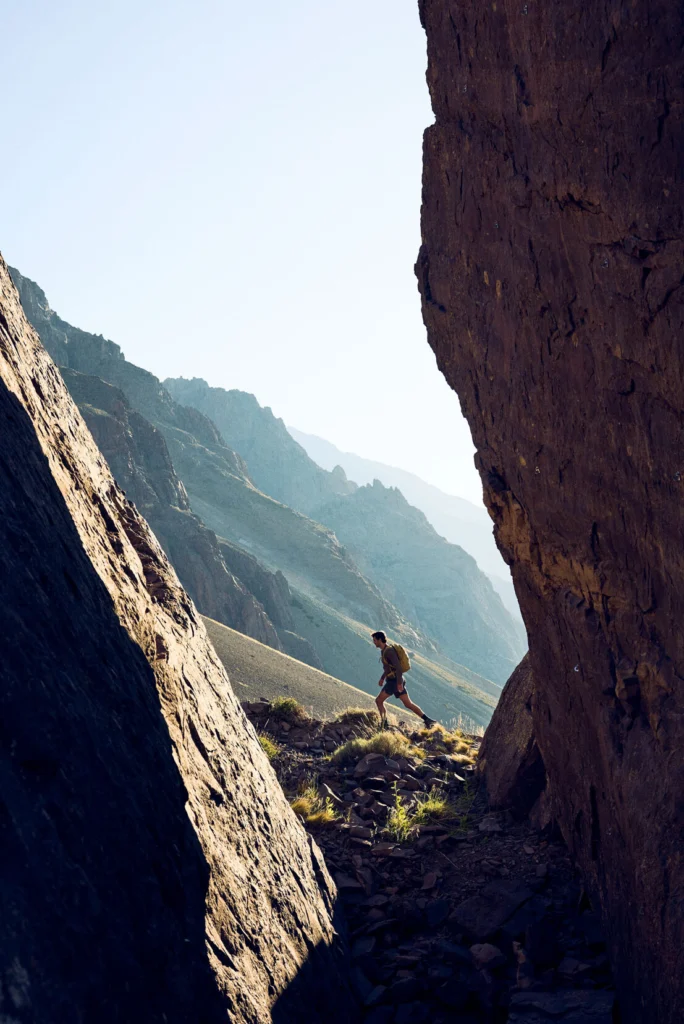
That’s why length is a poor guide to price. A short film can take more days than a long one. Gregory’s relaunch film is short, and it took a lot of pre-production planning, with a mostly Salt Lake City-based crew flying down to shoot it in Santiago and the Andes.
The rest of this article is about what the money protects, and what happens when it’s cut.
What gets cut when the number drops?
Below a certain point, something gives: either the quality or the number of finished pieces. The trouble is that the first things to go are the ones you can’t see in a quote.
| What gets cut | What it saves | What it costs later |
|---|---|---|
| Prep and scout days | Crew time before the shoot | Problems found on set, with the clock running |
| Assistants | A person per day | Slower setups, fewer shots |
| The weather day | A held day | No fallback when it rains |
| Post days | Editor time | Fewer cuts, or rougher ones |
| Usage | License fees | The film can’t run where you planned |
None of these cuts is wrong. We’ve written plans with no camera assistant and no weather day, and said so on the estimate, because that was what kept the job within budget. What matters is that the cut is named. If a number drops and nobody can tell you what left the plan, it’s one of the rows above.
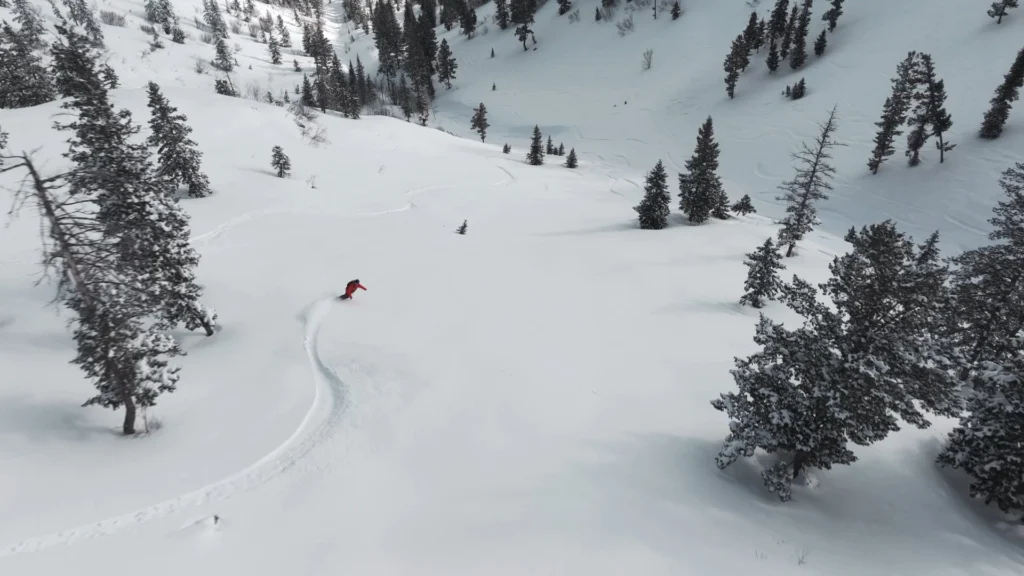
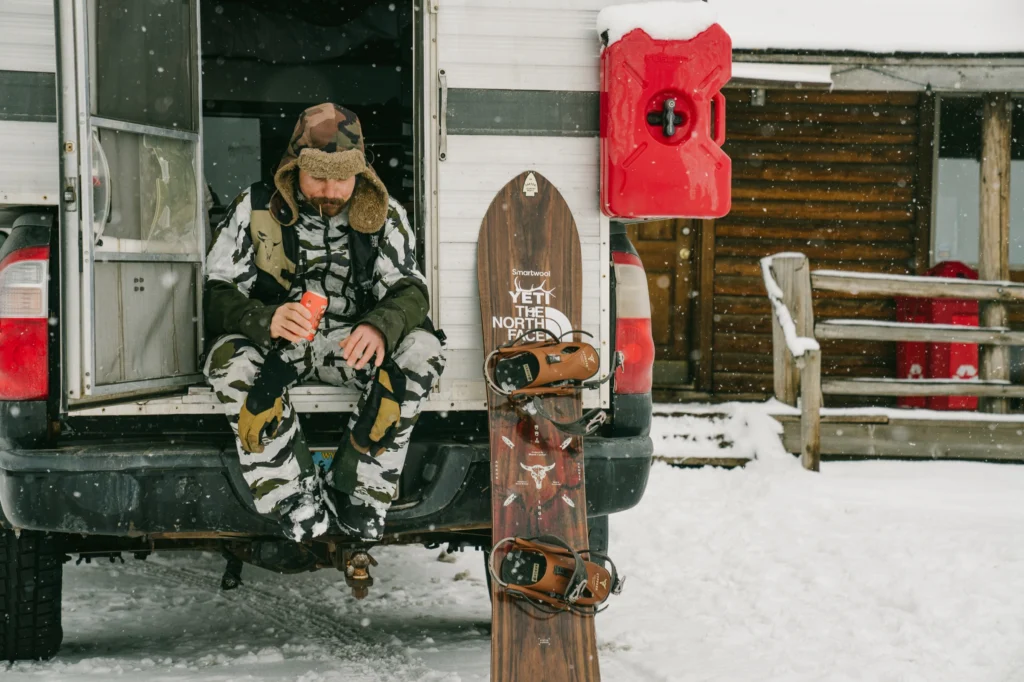
Outdoors, the weather has the last word. On Powder Mountain’s Davenport film, the bluebird spring day we planned never came. A late-season storm did, and the crew turned around for one more pickup day.
Why is the cheapest lever scope and not rates?
Scope is the cheapest lever because it removes days. Cutting rates leaves the same days and changes who works them.
Day rates are what experienced people cost. Push them down and you get different people, or the same people with less time. Either way the film changes and the estimate doesn’t show it.
Scope works the other way. Trim the deliverable count and you save editor days. Drop a location and you save a travel day and everything that rides on it. The trade is on paper and you get to make it.
It also pays to count the real work. On one job, a list of cutdowns turned out to be fewer unique edits than it looked, with the rest being ratio and text exports off the locked cuts. Repricing against the real structure brought the cost down and left room for more formats.
You can take work on yourself, too. When a client brings a finished script and storyboard, the creative days drop and the saving shows as its own line.
“They’ve done more than just deliver sharp media content. They’ve helped us define, refine, and lock in the ethos of our brand.”
What does paying for experience prevent?
Experience prevents the expensive mistakes, the kind you find out about after the crew has gone home. Here are three from our own jobs, with the clients left out.
The missed deliverable. On one job we checked the client’s deliverables list against the treatment, the shot list and the crew plan. A social reel was on the list and nothing in the plan had shot for it. We caught it before post and agreed with the client to cut it from the main footage. Found at delivery, that’s a missing asset or a reshoot.
The permit. On a field campaign, one location sat on federal land. A film permit there takes real lead time, so we flagged it at the start of planning and asked for a decision that week, while there was still time to file.
The season. The same campaign had one film that needed to feel like summer. The prettier river was in the mountains, and the shoot was in late fall. We planned that film for a less scenic river where it would still look like the right time of year.
My shorthand for all of this is “buy it nice or buy it twice.” A reshoot costs the whole shoot again. Some shoots can’t be repeated at any price, because the season ends or the athlete goes home.
Good, fast, cheap: do you have to pick two?
Mostly, yes. But you get to choose which two while it’s still a plan.
Fast costs money because the only way to compress a schedule is more people working in parallel. Cheap takes time and flexibility: fewer days, simpler tools, a looser delivery date. Good is the one we don’t trade. A six-second cutdown gets the same standard as Range Finder, our 33-minute documentary on pro snowboarders Mark Carter and Bryan Iguchi.
In practice, “pick two” usually turns back into a scope conversation. A smaller set of deliverables done properly beats a long list done thin.
How do you bring the cost down without losing the film?
Start by telling the production company your real ceiling, then work down this list in order.
- Cut deliverables before days, and days before people.
- Take on what your team can do well: a script, a location, product, talent you already have under contract.
- Ask for the job priced in tiers, with the same crew in each. The tiers should differ in tools, extras and post days.
- Ask what the plan assumes, in writing.
- Agree how overages work before the shoot. Nothing over the estimate should be spent without your written approval.
Then read the revised estimate line by line.
How Black Koles does it.
A few things sit behind how we price. If the story isn’t there, no amount of production saves it, so the story comes first. We’ve sat on both sides of the table, brand and agency, so we scope like people who have had to approve the invoice. And we plug in at any stage, with a crew sized to the job, from a two-person documentary crew to a full commercial production. Planning is what makes a shoot go further. If you want to see how far, start with The Sect’s anthem and brand refresh: for a gym in Salt Lake City, a three-day shoot kept its channels full for four months. Every line in our estimates is there for a reason, and we’ll walk you through it. Read who we are, or start a project.