

Black Koles · Journal · No. 33 · 6 min read
Working with creators: usage, whitelisting and exclusivity in plain terms
A creator deal has two parts: the content the creator makes, and what the brand may do with it afterward. Organic reposting, paid usage, whitelisting and exclusivity are separate permissions, and each can carry its own term and its own fee. At Black Koles we write them as separate lines, so a brand pays for the uses it plans and can extend the ones that work.
What are you buying when you work with a creator?
You’re buying two things. The first is the work: the creator makes content and posts it to their own audience. The second is permission to use that content, and sometimes the creator’s name and handle, on your side.
The post is the deliverable. The permissions are the usage. It’s the same split that applies to a brand film or a set of photographs.
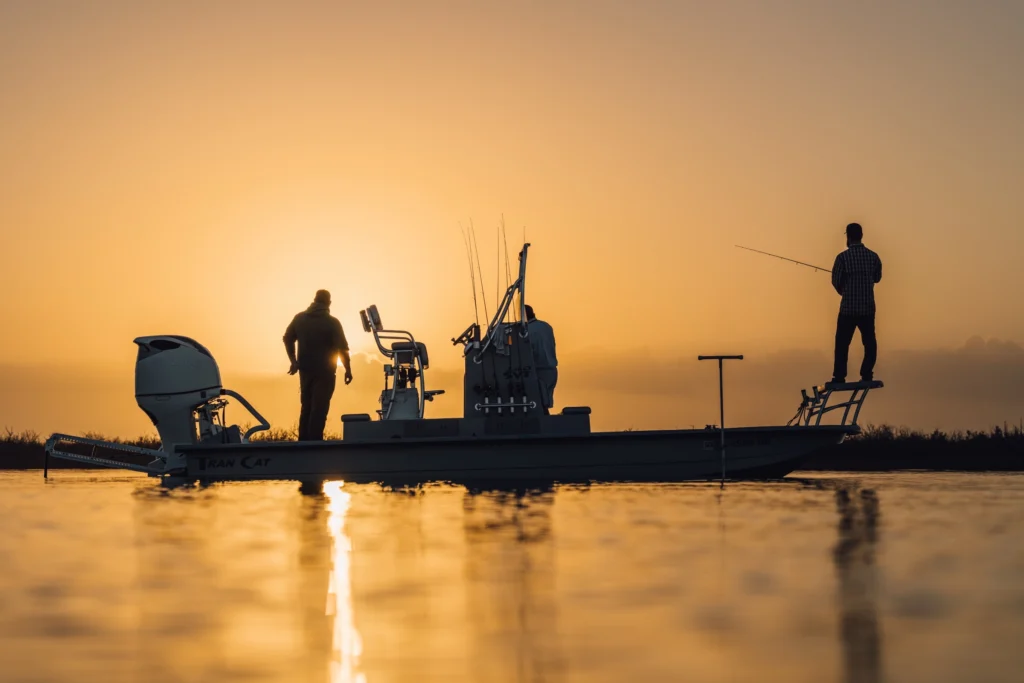
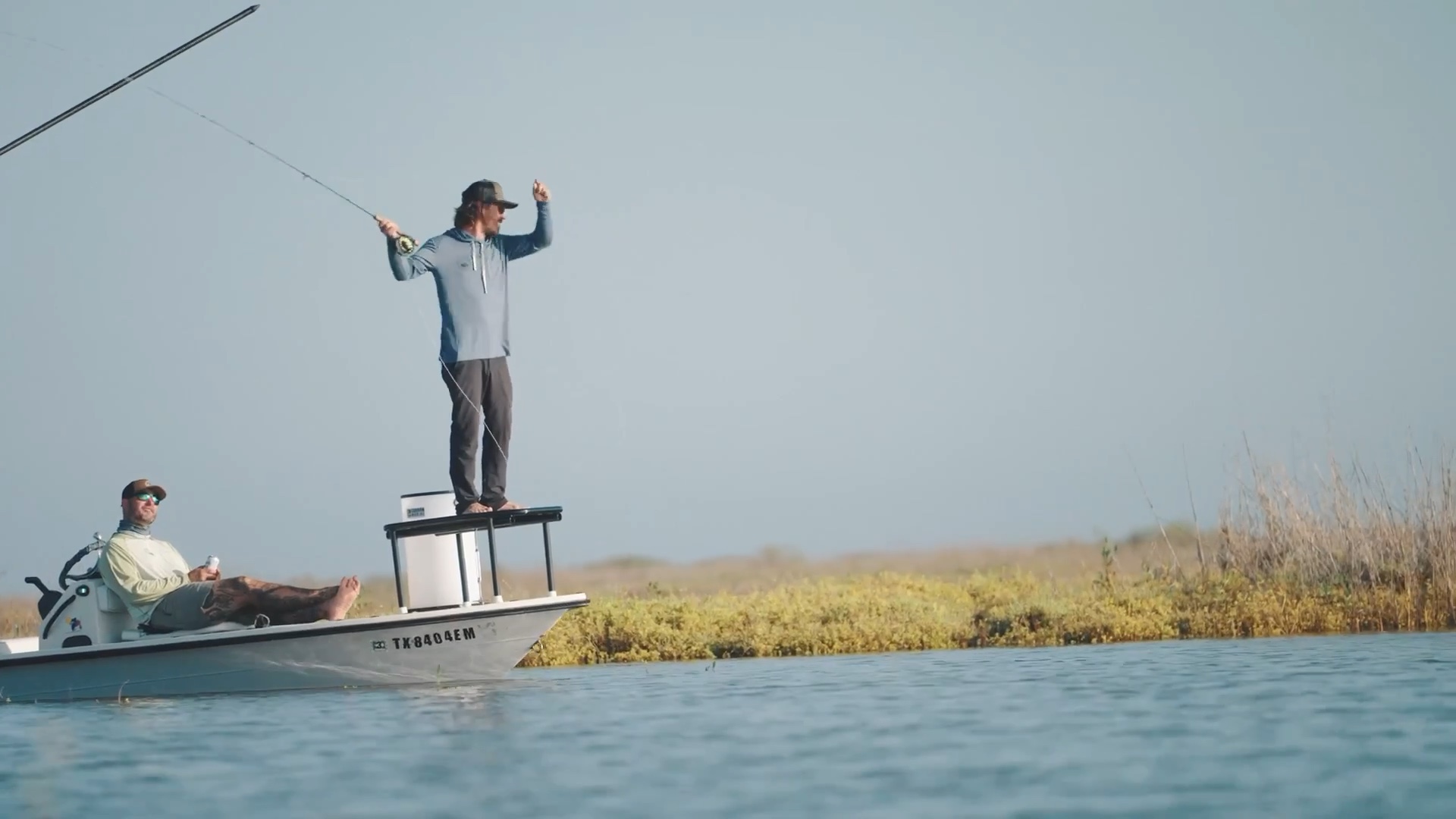
As the marketing team for Bay Flats Lodge, a fishing and duck hunting lodge on the Texas coast, we set up trades like this. Anglers, hunters and brands with audiences of their own came to the lodge and went home with photographs and film for their own channels. The lodge got in front of their followers, and usually kept the footage too.
Unless the agreement says otherwise, the creator generally keeps ownership of what they make, and their name, face and audience stay theirs. So in practice the agreement works as a license. The terms below are the parts of that license.
What do organic reposting, paid usage and whitelisting mean?
They’re three levels of use, and each one asks more of the creator than the last.
Organic reposting. The brand shares the creator’s content on its own channels, such as its social feeds, website and email, with no ad spend behind it.
Paid usage. The brand may run the creator’s content as advertising, with spend behind it, from the brand’s own ad account and under the brand’s name. Paid media puts the content in front of people who follow neither the brand nor the creator, so it’s priced apart from the post.
Whitelisting. The creator gives the brand’s ad account permission to run ads through the creator’s own handle. The ad shows the creator’s name, and the brand controls the targeting and the budget. It’s also called creator licensing, and some platforms call the format partnership ads. The creator’s name sits on ads they didn’t post, shown to people they didn’t choose, so approval rights matter here more than anywhere else.
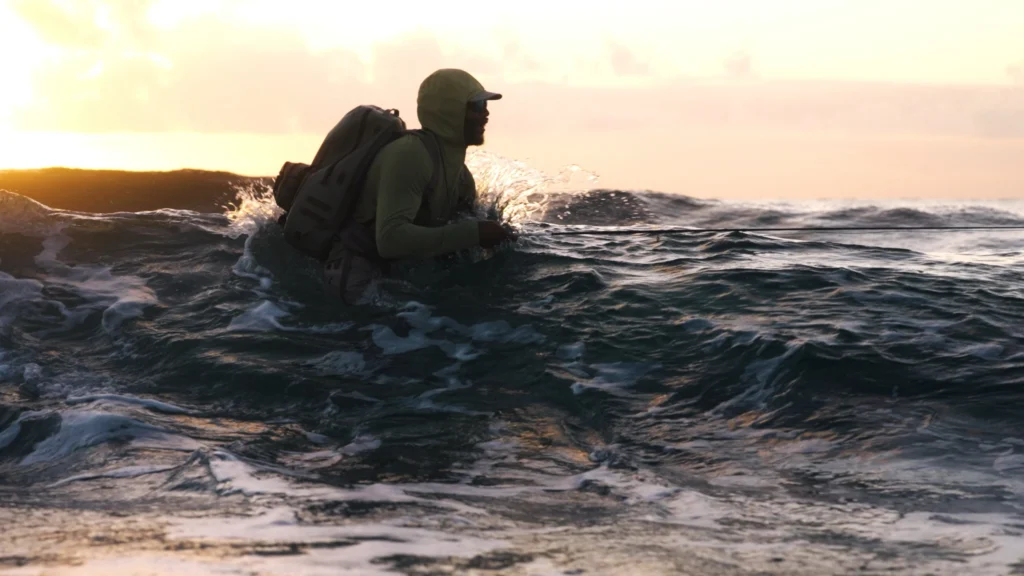
The same step comes up with a brand’s ambassadors. For Patagonia’s fall 2026 fly fishing films we filmed social-first testimonials during the shoots, and Patagonia then asked for a :15 of ambassador Kate Crump’s jacket testimonial for paid social. A piece made for the feed became an ad, and that move is what a paid usage line covers.
What do exclusivity, term and usage in perpetuity mean?
These three set the limits on the permissions above: who else the creator can work with, and how long your rights last.
Exclusivity. The creator agrees not to work with competing brands for a stated period. It’s defined by a category and a window. Wide exclusivity costs the creator other income, so it costs you more. Keep it narrow: one product category, a short window, and the creator’s existing partnerships carved out.
Term. How long each permission lasts, and the date the clock starts. Each permission can have a different term.
Usage in perpetuity. A permission with no end date. It’s a reasonable ask for organic reposts, since nobody wants to scrub old posts from a feed. For paid usage and whitelisting it’s a large ask, because it puts a person’s face in advertising with no end. Expect a higher fee or a no. The usual alternative is a fixed term with a renewal rate agreed up front.
| Permission | Who runs it | Usual shape |
|---|---|---|
| Organic reposting | Brand, on its own channels | Often in perpetuity |
| Paid usage | Brand’s ad account, brand’s name | Fixed term, renewable |
| Whitelisting | Brand’s ad account, creator’s handle | Fixed term, renewable |
| Exclusivity | Creator turns down competitors | One category, short window |
What should a creator agreement include?
It should answer the questions that would otherwise come up after the post is live. This is general information, not legal advice, and a lawyer should read the agreement before either side signs.
- Deliverables: how many pieces, the format and length of each, the platform, and the dates they’re due and posted.
- Review: whether the brand sees the content before it goes out, and how many rounds of changes are included.
- Organic reposting: which brand channels, and for how long.
- Paid usage: which channels, the term, the start date, and the rate to renew.
- Whitelisting: whether it’s included, the term, who approves each ad, and whether the brand may edit the content.
- Exclusivity: the category, the window, and what’s carved out.
- Disclosure: paid partnerships generally have to be disclosed. Say who is responsible and how it’s done.
- Files: whether the creator hands over the original files, and what the brand may cut from them.
- The end of the term: what happens to posts that are already up and ads that are already running.
- Payment: the amount for each line above, and when each is paid.
How does creator content sit beside produced campaign work?
They do different jobs, and a campaign plan should hold both.
Produced work, meaning the hero film, the product films and the photography, states the brand’s idea in the brand’s voice, and it’s built to last. Creator content is one person’s take, in their voice, for their audience. It tends to work best when the brand hasn’t polished it.
Produced work can borrow the creator’s format, too. Around The Dance at Stemple Creek Ranch, the first film in Force of Nature’s Mission in Motion series, we delivered a teaser, cutdowns and Ranch Life clips, plus three UGC-style posts.
When we plan where a brand’s content comes from, creators are one source among several, alongside campaigns, customers’ own posts, the brand’s employees and outside writers. They go on the same campaign plan as everything else. A creator post can build anticipation before the hero film is out, or keep the campaign showing up after launch week.
Two things keep the pieces working together. Give creators the brief and the campaign idea, and leave the script to them. And check that the rights match: if creator footage is going into a produced edit or a paid ad, the agreement has to say so.

How do you keep the cost in proportion?
Buy the uses you plan, time-box the paid ones, and agree the renewal rate before you sign.
The more places content runs, the higher the rate, so list exactly where you plan to use it. Paying for whitelisting on every post when you’ll run ads from one or two is paying for rights you won’t use.
A renewal rate agreed up front means an extension isn’t a new negotiation. When a piece performs and you want another season of paid usage, the cost is already known.
Performance is also the reason to start small. On one partnership, the brand wanted proof of performance from the creator before committing to more. The first agreement covered the posts and organic reposting. Paid usage and whitelisting were written as an add-on with a set term and a set renewal rate, so the brand could add them later without starting over.
How Black Koles does it.
Black Koles is a creative agency and production company in Salt Lake City. We design the campaign before anything is made, and each piece gets a job, a channel and a date. When creators are part of a campaign, their posts go on that same map, next to the films and the photographs.
We write creator usage the way we write it for talent, voiceover and music: where it runs, for how long, and what renewing costs.
To see creators and produced work on one plan, open Bay Flats Lodge: our years as the lodge’s marketing team, with the brands and creators we invited onto the shoots, and a trip traded for a YouTube episode. Who we are and how we work is on the About page. If you’re planning a campaign with produced work and creators in it, start a project.