


Industries · Black Koles · Salt Lake City, Utah
Outdoor Product Launch Video Production
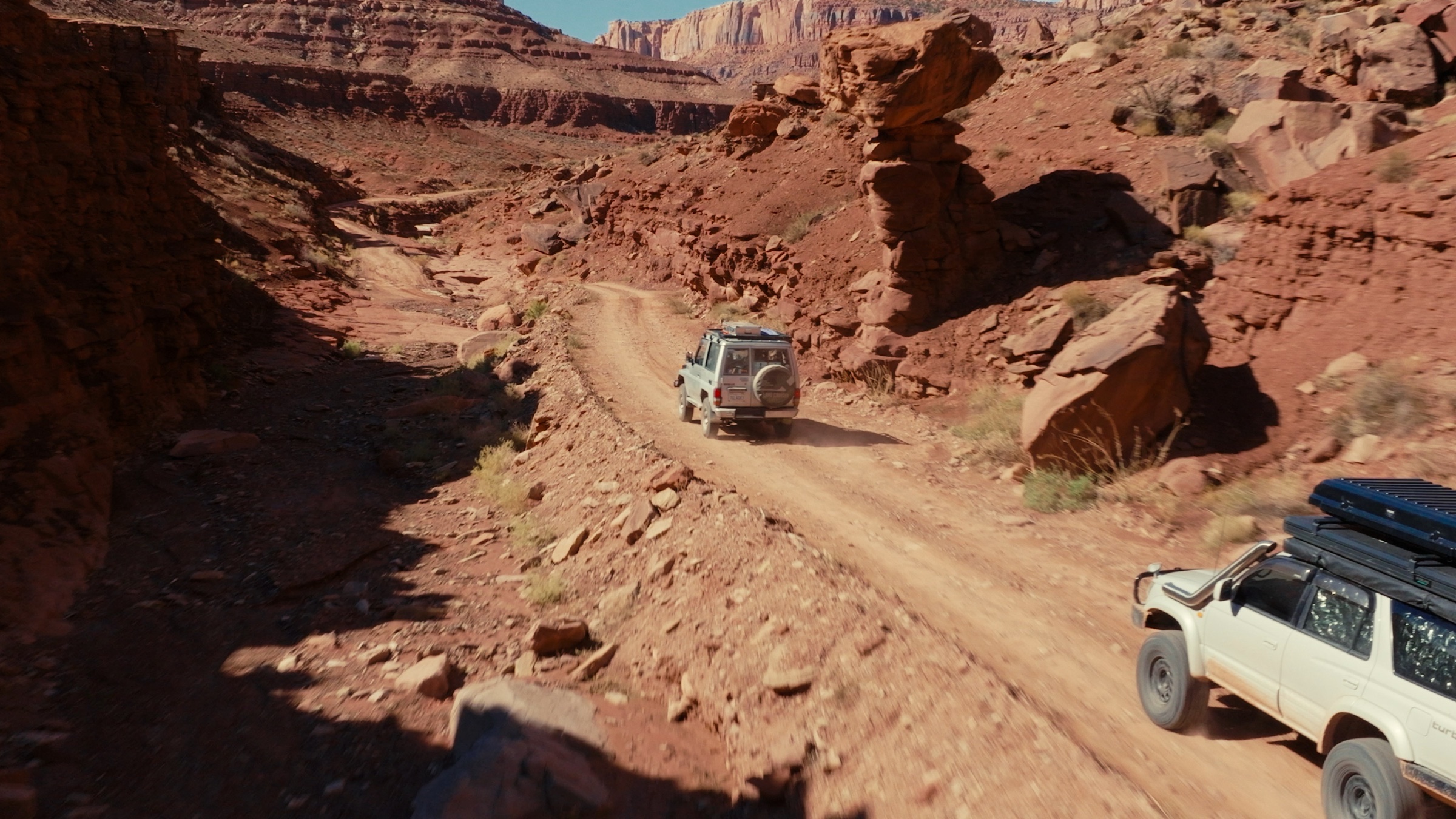
Goal Zero’s Yeti 1500 launch film is its spec sheet, taken on a trip in the desert outside Moab. They built the product page on what we shot.
- Clients
- Goal Zero, Gregory, Patagonia, Sitka, Volcom, ASSOS
- Shot in
- Moab, Utah’s West Desert, Oregon, Belize, Joshua Tree, Twin Bridges
- Founders
- Sean Black and Asher Koles
- Based
- Salt Lake City, since 2019
In good company





We’d rather start from the spec sheet
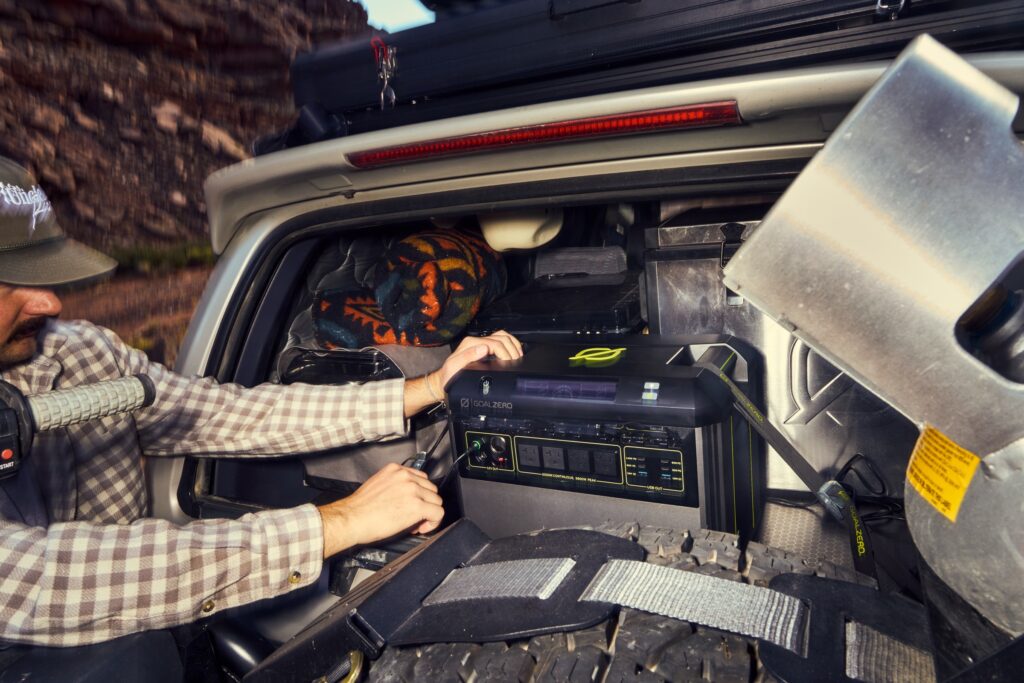
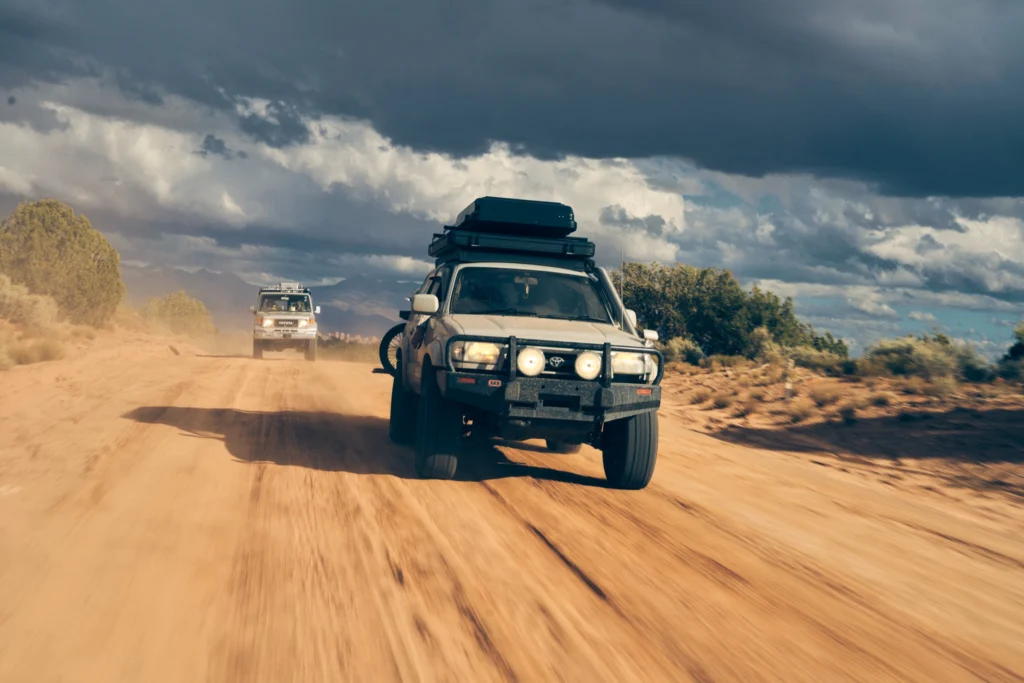
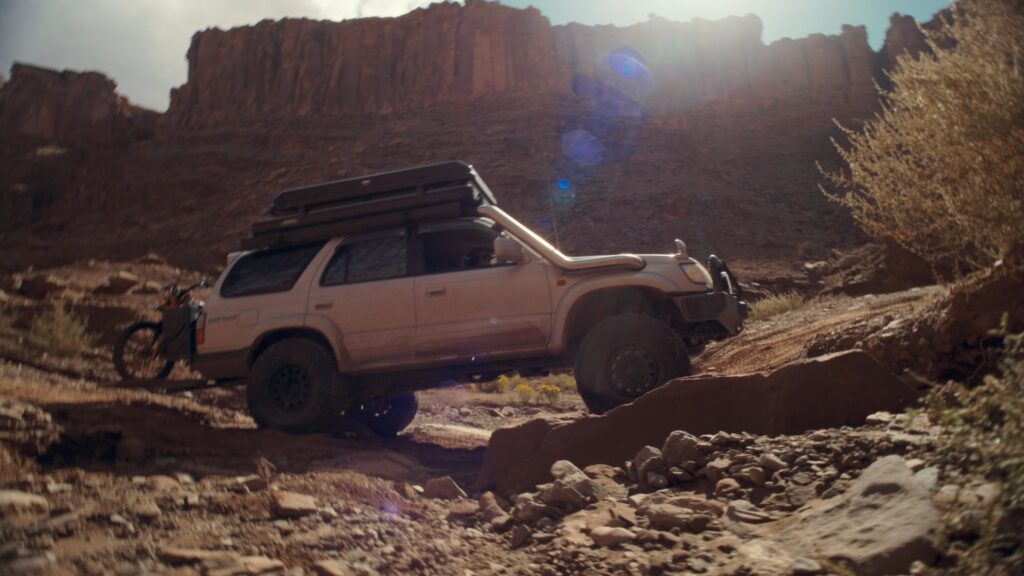
Goal Zero had vibration-tested the Yeti 1500 for rough roads. So in Waste No Time, our launch film for it, the Yeti rides to camp strapped down in the back of a truck.
A lot of launch films spend the first half on scenery and get to the product at the end. We’d rather go the other way. Every claim on the spec sheet gets a shot, and the story is whatever trip puts them all to work.
Goal Zero’s deck came in August 2025, for a spring launch. They wanted the product early and every feature shown for real, in a film that felt like overlanding. That’s a hard pair, because every time a film stops to show a feature, the trip stands still. So we wrote the shot list from the spec sheet, with a stills list beside it.
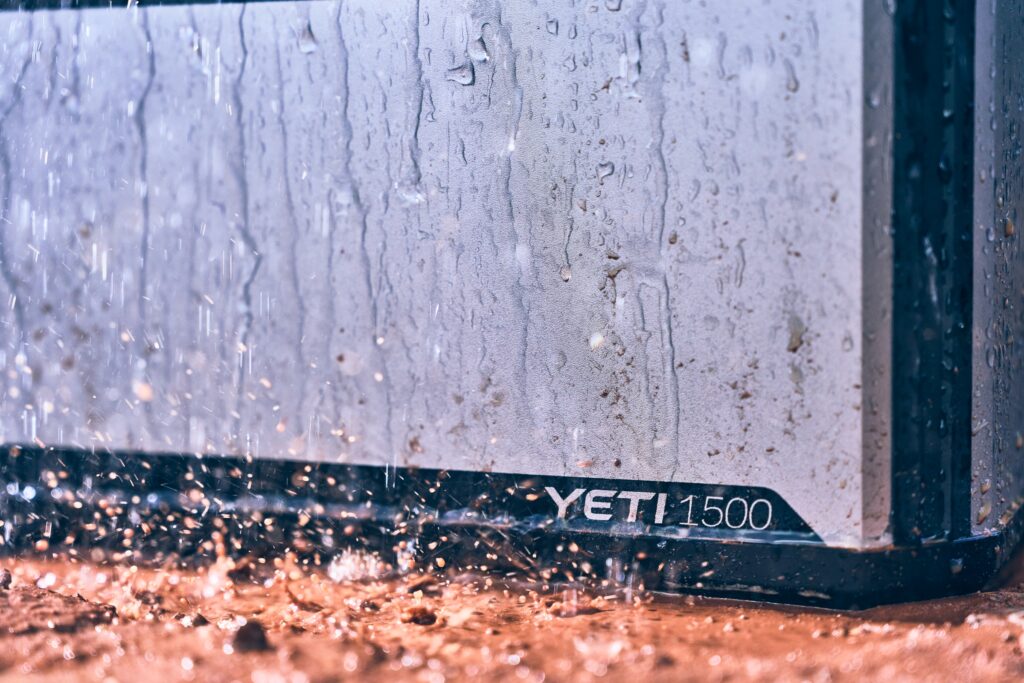
On the trip outside Moab we didn’t baby the Yeti. It took water and got plugged straight back in. It rode the trail to camp. It ran the kettle and charged an electric dirt bike. We gave each of those its own cutdown.
When it launched on March 11, 2026, Goal Zero built the product page around our stills and the film. The film runs full width on their homepage.
The product page needs the proof too
Sean Black leads our strategy, and on a launch that means planning for the weeks after launch day. Everybody watches the film on the day. The product page, the emails and the ads have to keep selling after that, and they need pictures of the product doing what you say it does.
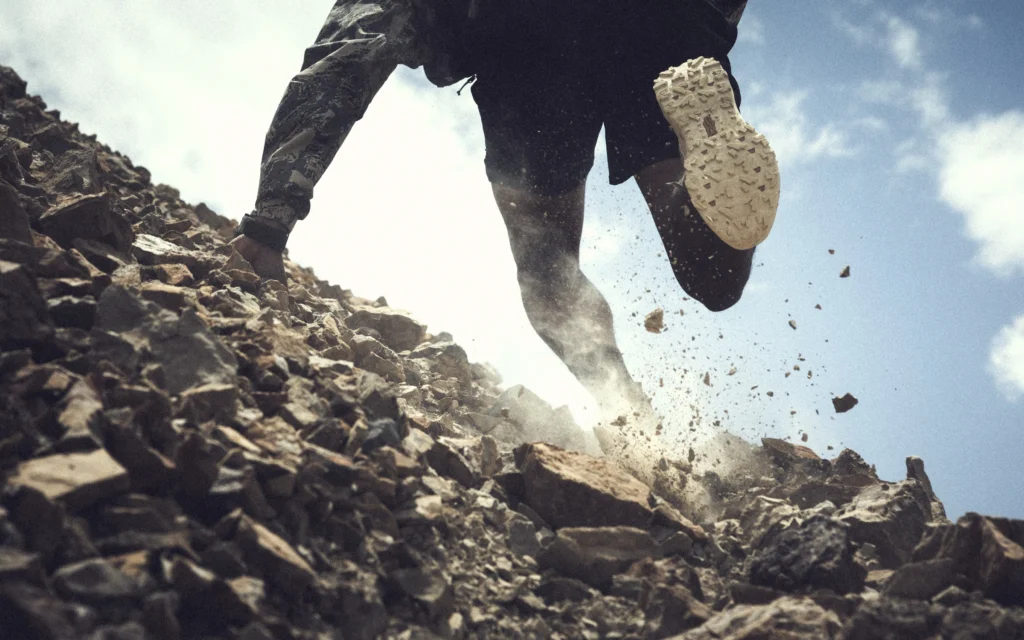
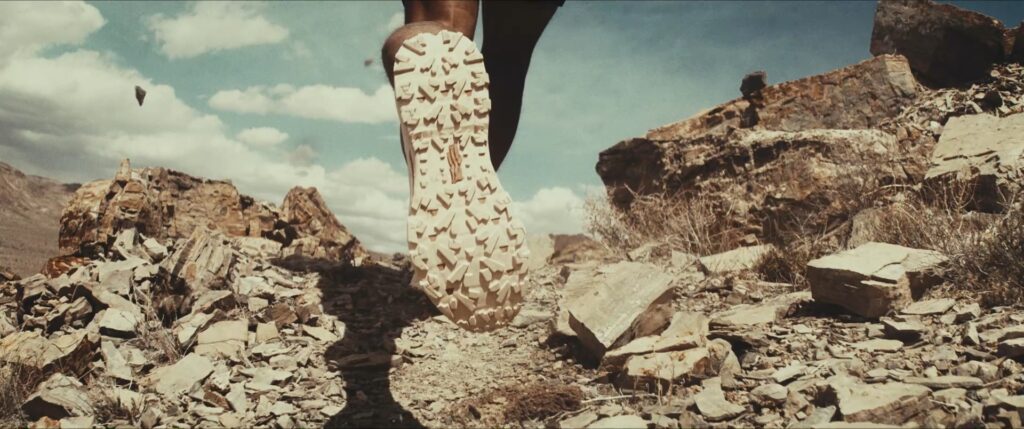
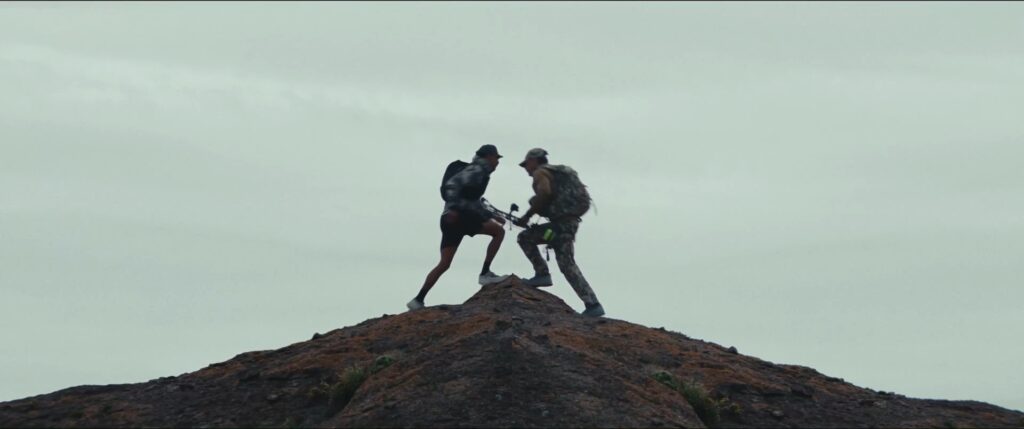
Sitka’s Ascent is a shoe for training, scouting and early-season hunts. It had to come across as a trail runner and a boot at once. We gave it two days. In Utah’s West Desert we filmed one athlete on talus runs under a loaded pack, then hitting a mud puddle in slow motion. On a stage in Salt Lake City we filmed the tread, the materials and water beading off the GORE-TEX upper. When the shoe launched, the hero image and the feature tiles on Sitka’s page were our stills, and its product pages loop the GORE-TEX film we made. The case study shows both days.
Some features don’t show on a trail
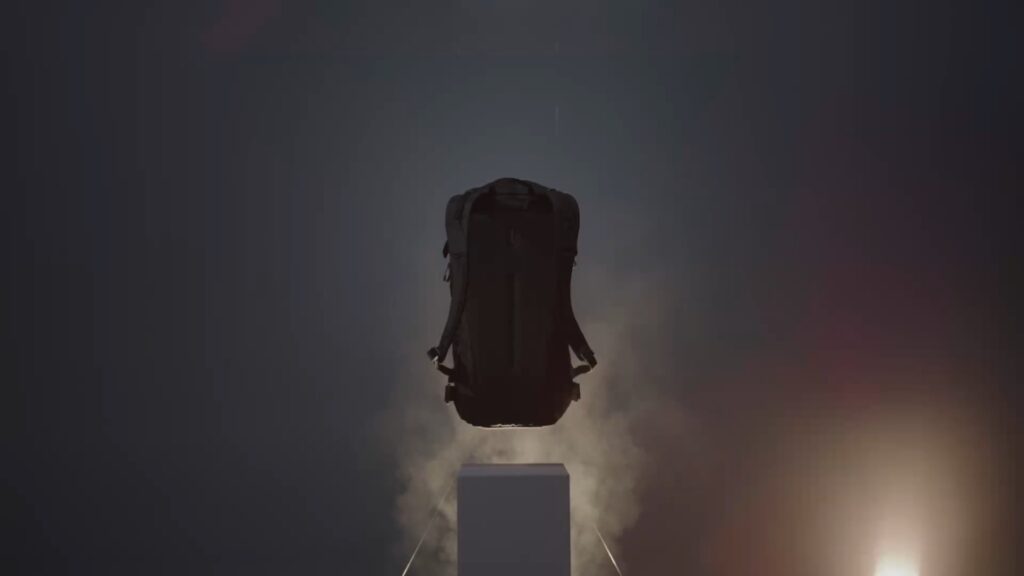
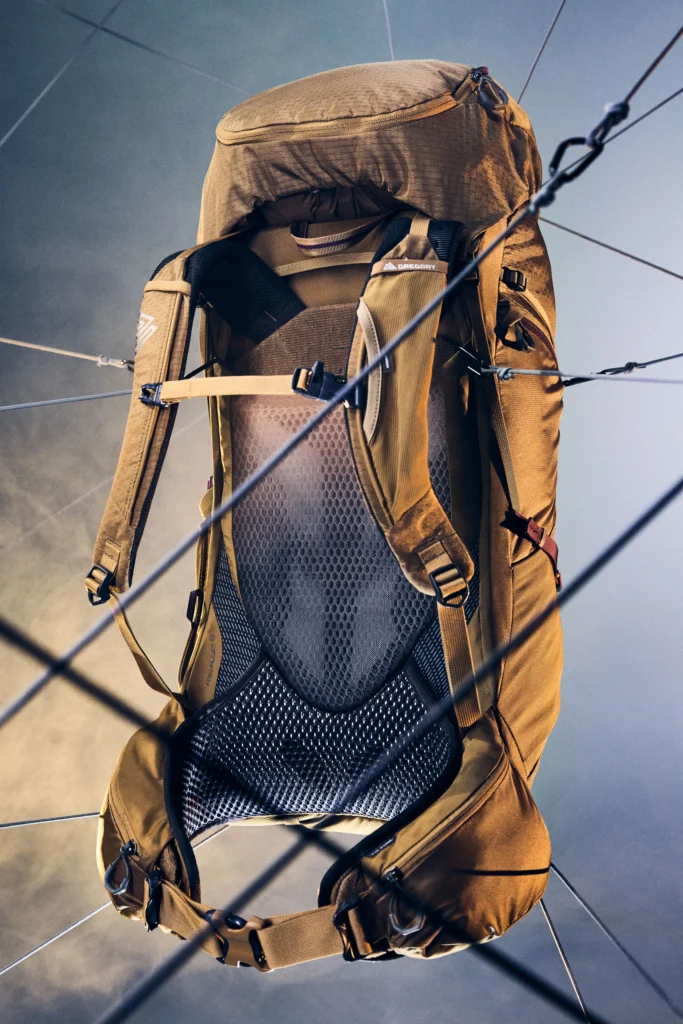
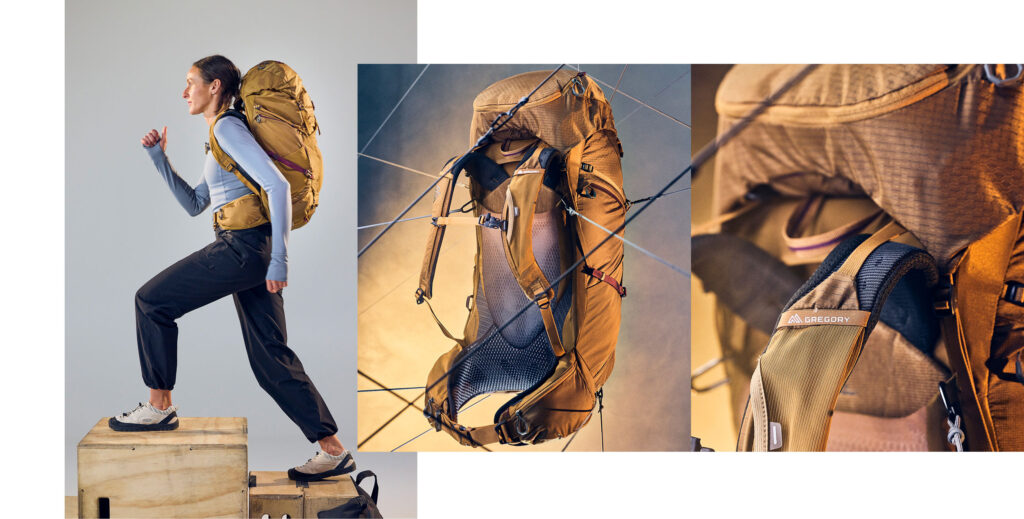
You can’t see Gregory’s FreeFloat when someone’s wearing the pack. The whole point is that the pack moves with your body, and on a trail that’s too subtle to catch. So we filmed it in use in South America and on a pedestal in a studio, and a motion graphics and animation team drew in what the eye misses. FreeFloat and AirCushion each got a film that explains the technology in about half a minute. The case study has both films and the studio frames.
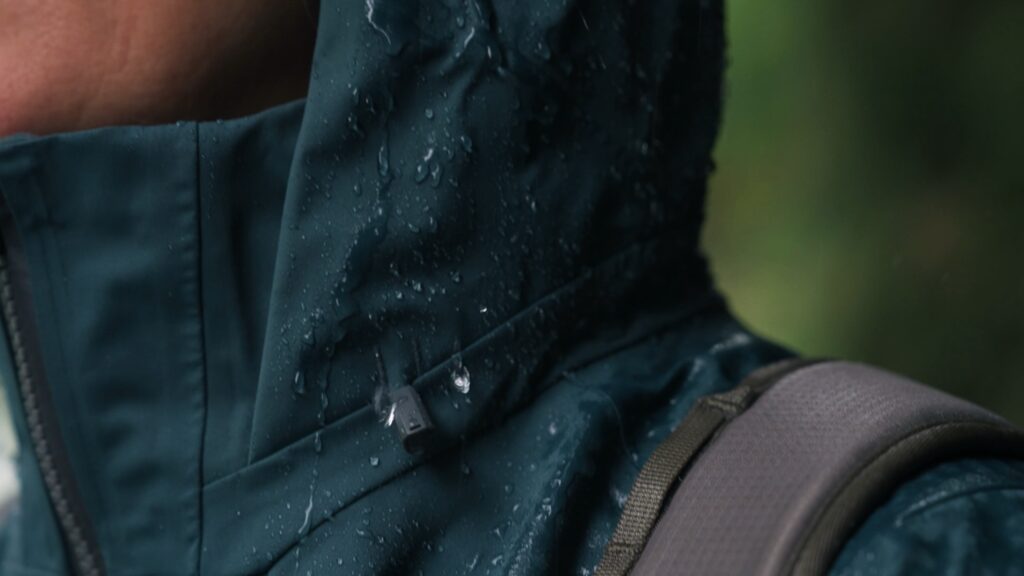
Patagonia’s Fish team brought us a rain jacket and a line of packs for its fall 2026 fly fishing campaign. In Oregon we filmed the jacket on a guide who helped design the packs, wading and casting in the wet. But the new gutter on the hood and the redesigned cuff gaskets are hard to see from across a river, so we spent a day in Patagonia’s studio on the seams, fabric and straps, shot close and moving so each one could cut straight back to the water. The pack films set the two side by side in split screens, and that’s what Patagonia’s team picked out when it reviewed the edit. It also asked for three pack testimonials instead of one. The case study has the split screens, the testimonials and six days on the flats in Belize.
Sort your spec sheet before you brief anyone
Try this on your next launch, whoever ends up shooting it. Go down the spec sheet a line at a time and write what someone would have to see to believe it. Vibration-tested means it rides in a truck on a bad road. Weather rated means it gets wet and keeps working.
Then sort the lines. Some only make sense in use, outside. Some, like a seam or a tread, need a studio. A few can’t be seen at all and need animation. That sort tells you how many days you need and where they are. The days are what move a launch budget most.
A product and an idea are enough to start
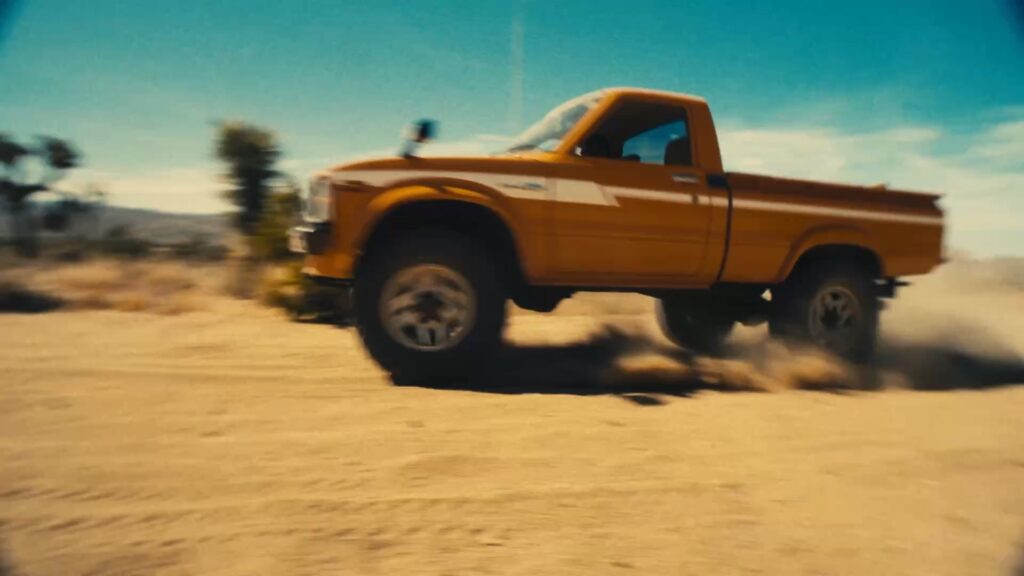
Goal Zero came to us with a full creative deck. SITKA STUDIO came with a product and an idea: a road trip for the Ryder bow case, with a black Lab and a 1980 Toyota Hilux. Filming inside Joshua Tree National Park wasn’t possible on that timeline, so we moved the trip to BLM land and dry lake beds around it. We filmed it in two days with a crew of three. The case rides in the bed of the truck, then comes out on the rocks with the bow inside. The limited edition has since sold out.
Before you call, read the Waste No Time case study with your own spec sheet open. It’s the whole Goal Zero job, from the Yeti coming off a garage wall by headlamp to the three cutdowns. If you want to know who you’d be working with, meet Sean and Asher. Sean’s on the first call. Then send us your spec sheet and your launch date.
What we make for a launch
-
01
Launch films
Written from the spec sheet, so the product shows up early and every feature gets a shot, the way the Yeti 1500 did in Goal Zero’s Waste No Time.See the case study: Goal Zero / Waste No Time
-
02
Product films
One technology to a film, with animation where the eye can’t follow it, the way we explained Gregory’s FreeFloat.See the case study: Gregory / FreeFloat & AirCushion Technology
-
03
Launch photography
Shot from its own list on the same days as the film, like the stills that run as the hero image and the feature tiles on Sitka’s Ascent page.See the case study: Sitka / Ascent
-
04
Teasers and cutdowns
Before the Ryder bow case launched, our 10-second ad ended on a card offering early access, and all four films got vertical cuts for Instagram.See the case study: Sitka / The Ryder Bow Case
-
05
Creative direction
ASSOS sent a moodboard of Lanzarote, and we made the case for Southern Utah’s San Rafael Swell instead.See the case study: ASSOS / Supernatural 2.0
Selected work
-
 Goal Zero
Waste No Time
The launch film for Goal Zero’s new Yeti 1500, made in the desert outside Moab.
-
 Sitka
Ascent
The launch campaign for the Ascent, Sitka’s shoe for training, scouting and early-season hunts.
-
 Gregory
FreeFloat & AirCushion Technology
Product films for Gregory, shot in the field and in the studio.
-
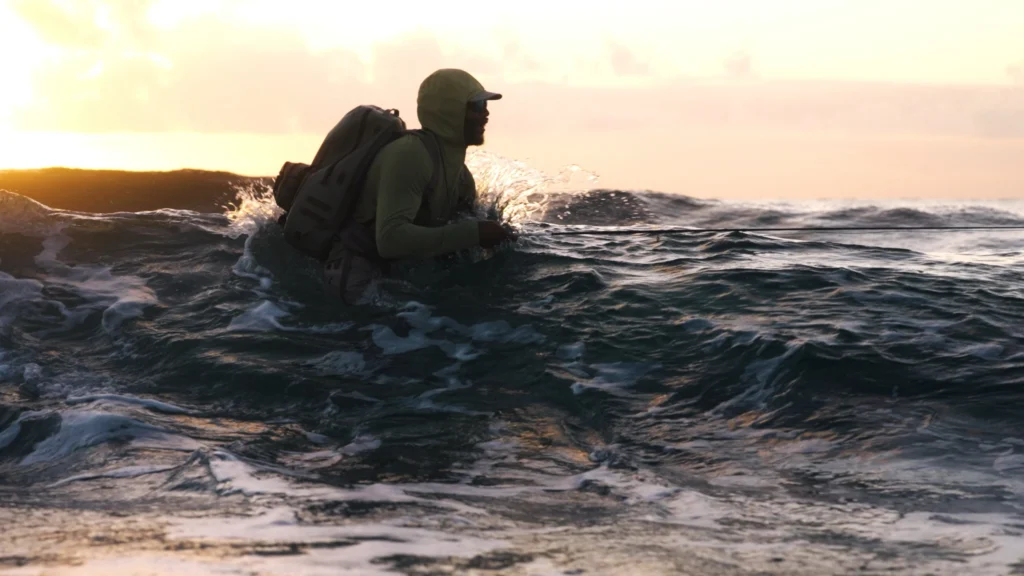 Patagonia
Swiftcurrent & Guidewater
Patagonia’s Fall 2026 fly fishing campaign for the redesigned Swiftcurrent Wading Jacket and the Guidewater Packs.
-
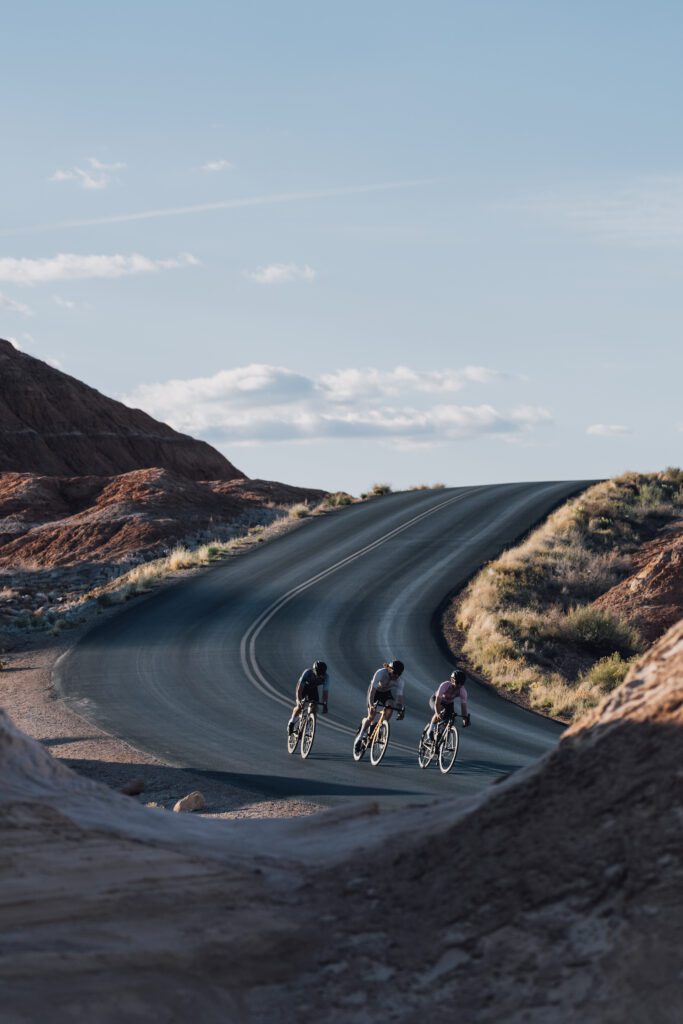 ASSOS
Supernatural 2.0
A surreal road cycling campaign: the launch of ASSOS of Switzerland’s Supernatural 2.0 Interstellar Capsule Collection.
-
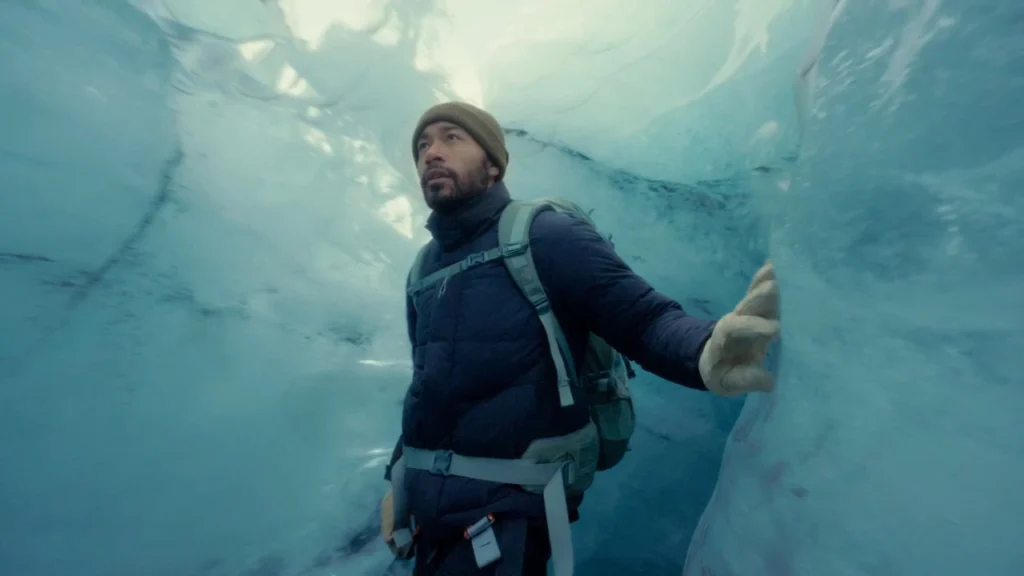 Sitka
Hyperdown
The launch film and teasers for the Hyperdown, the first jacket SITKA STUDIO designed on its own.
-
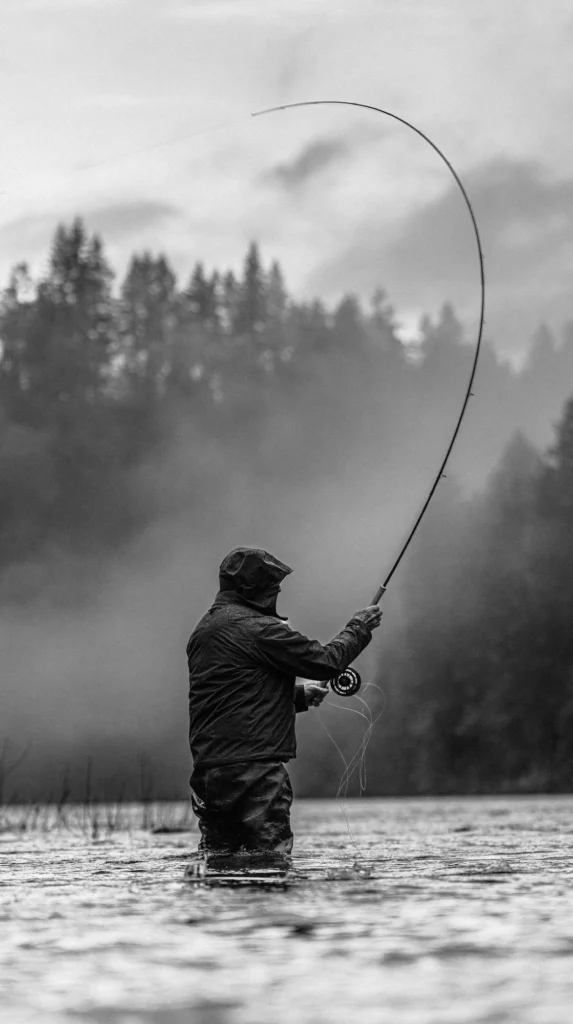 R.L. Winston Rod Co.
Air 2 TH
Designed with a steelhead guide. Tested on Oregon rivers.
-
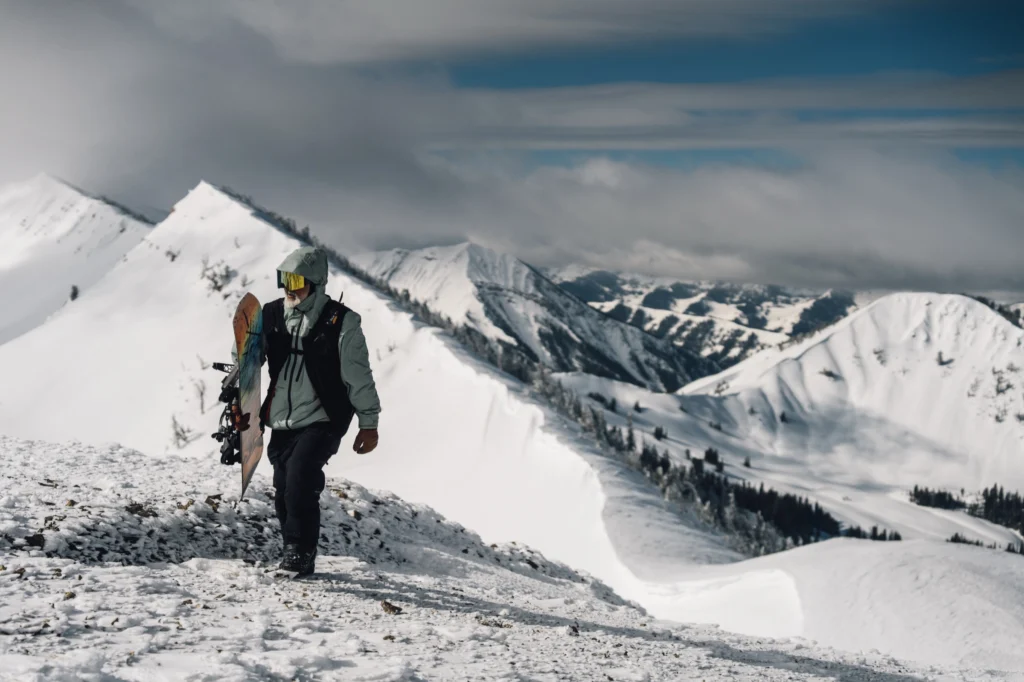 Volcom
Bryan Iguchi Collection
A short film and photography for the launch of Volcom’s Bryan Iguchi Collection with GORE-TEX.
“Asher & Sean take the time to get to know you, learn about your brand, and dissect what makes it unique. We’ve partnered with them on two major campaigns, both of which were incredibly successful in bringing our product and vision to life.”
Ryan Schoeck, Brand Manager, ASSOS
Questions
How early should we bring you in?
As soon as you can share the product and the date. Goal Zero sent us its creative deck in August 2025 for a spring 2026 launch. That left September to settle the plan on one desert trip and October to shoot it, months ahead of the March launch.
Do you shoot the stills on the same shoot?
Yes, when you need them, from a stills list written next to the motion one. For Grayl’s titanium bottle launch we shot on a hunt in New Mexico, and the photo library came from the same trip. We filmed and photographed Winston’s PURE 2 over the same four days in Twin Bridges, Montana, in the factory, in the studio and on the water.
We have our own editor. Can you just shoot?
Yes. For Volcom’s Bryan Iguchi Collection launch we filmed and photographed Bryan over three days around Jackson, Wyoming, and Volcom’s editor cut the film from our footage and its own archive. We’d ridden with Bryan for more than ten years by then, and that kind of trust is what gets you real footage on the skin track.
Do you plan the release, or only make the films?
We plan it with the films. On Sitka’s Ascent the teasers ran before launch day, the shoe launched with the campaign front and center on Sitka’s site, and the social cuts came after. For the Ryder bow case we cut a 10-second ad for the run-up that ended on a card offering early access to the limited edition.
What moves the budget most?
Shoot days, and where they are. We filmed the Ryder with a crew of three over two days around Joshua Tree. Patagonia’s fall 2026 fly fishing campaign took us six days on the flats in Belize, a day in Patagonia’s studio and three days in Oregon. After the days come crew size, a studio day, how many cuts and stills you need, and usage.
Keep exploring.
- Case study Waste No Time The launch film for Goal Zero’s new Yeti 1500, made in the desert outside Moab.
- Case study Ascent The launch campaign for the Ascent, Sitka’s shoe for training, scouting and early-season hunts.
- Case study FreeFloat & AirCushion Technology Gregory · Tech explainers · 10.8K people closer to buying
- About Who we are A creative agency and production company in Salt Lake City, led by Sean Black and Asher Koles.
- Work All our Production work The Work page, opened on Production, strongest case studies first.
- Contact Start a project Tell us what you’re making. Sean is on the first call.